

locality
Mazara del Vallo

There are towns you pass through and towns you breathe in. Mazara del Vallo belongs to the second kind: you feel it before you even see it, in the smell of salt and mint, in the sound of a language that is no longer only Italian, in the white alleys where hanging laundry filters the light as in a North African medina. Because Mazara, when it comes down to it, is already Africa — less than two hundred kilometres separate it from the Tunisian coast, and here the sea does not divide: it unites.
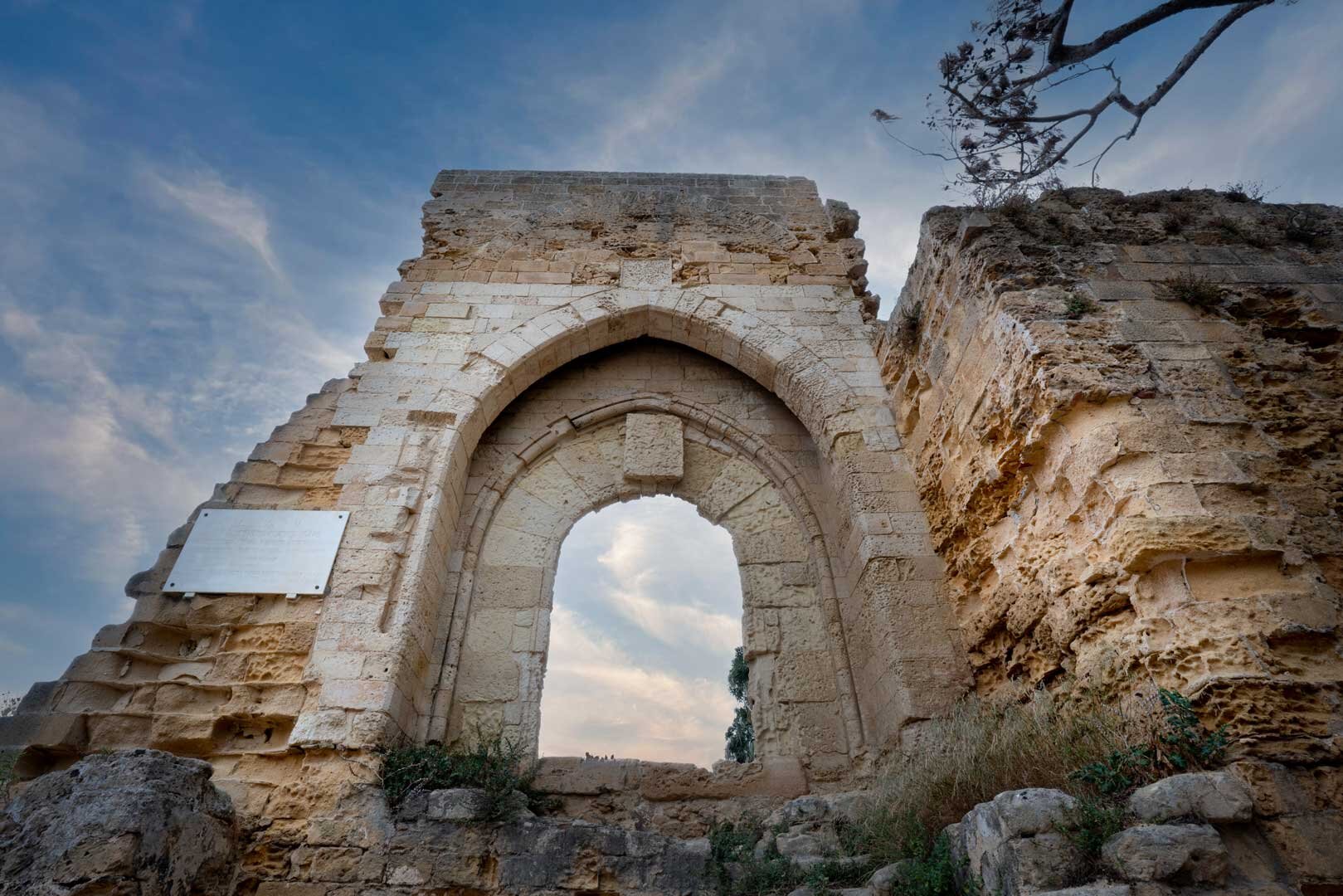
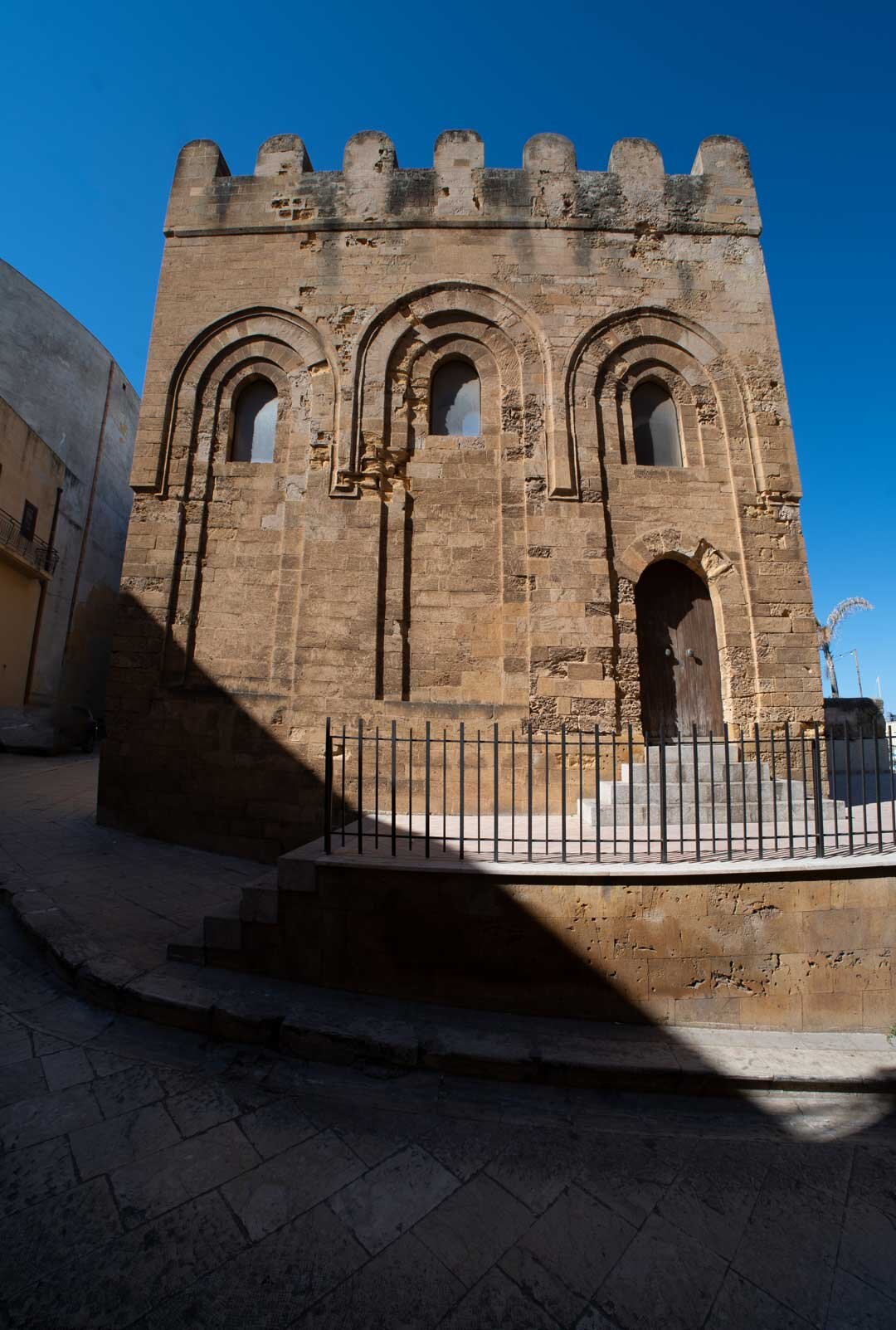
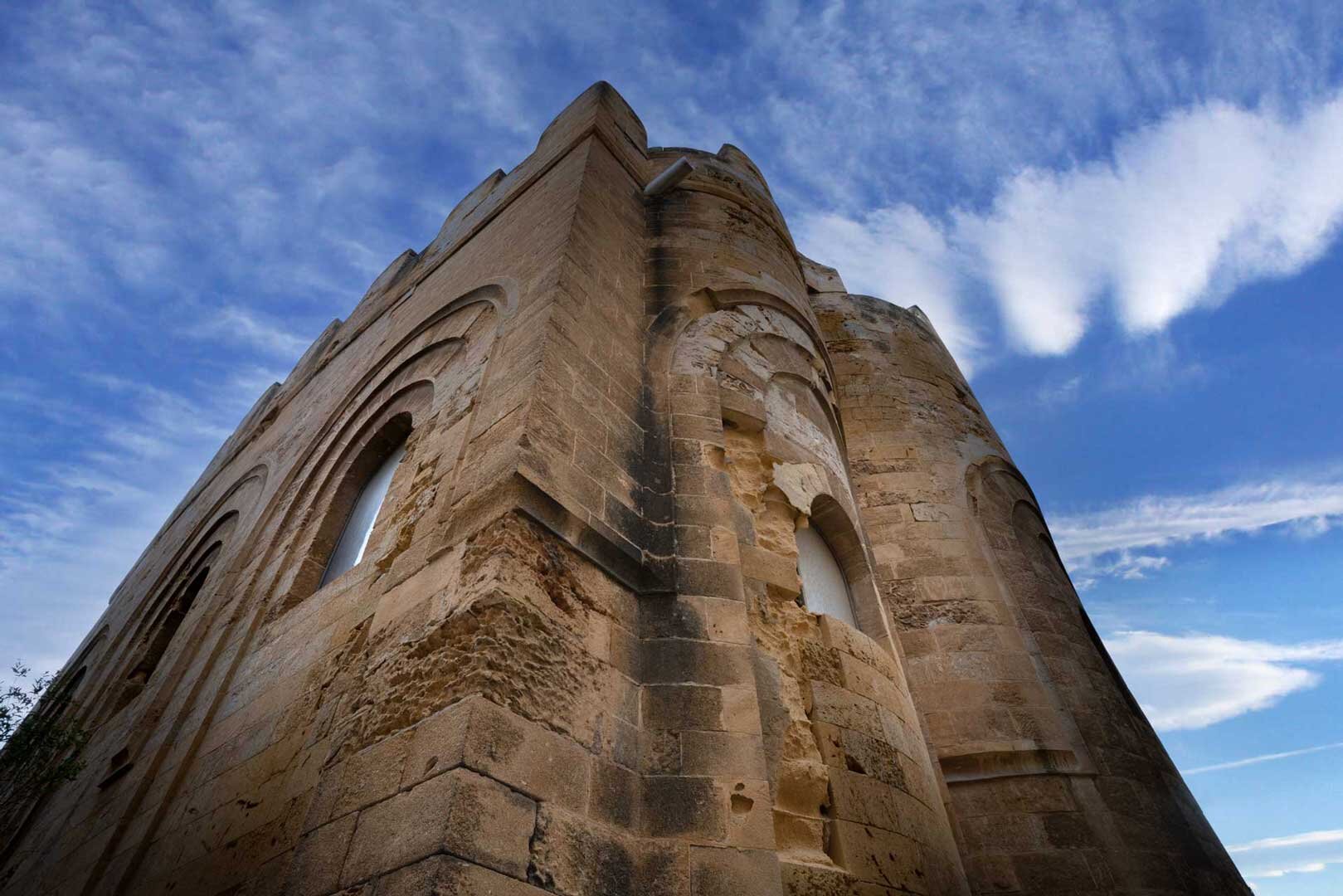
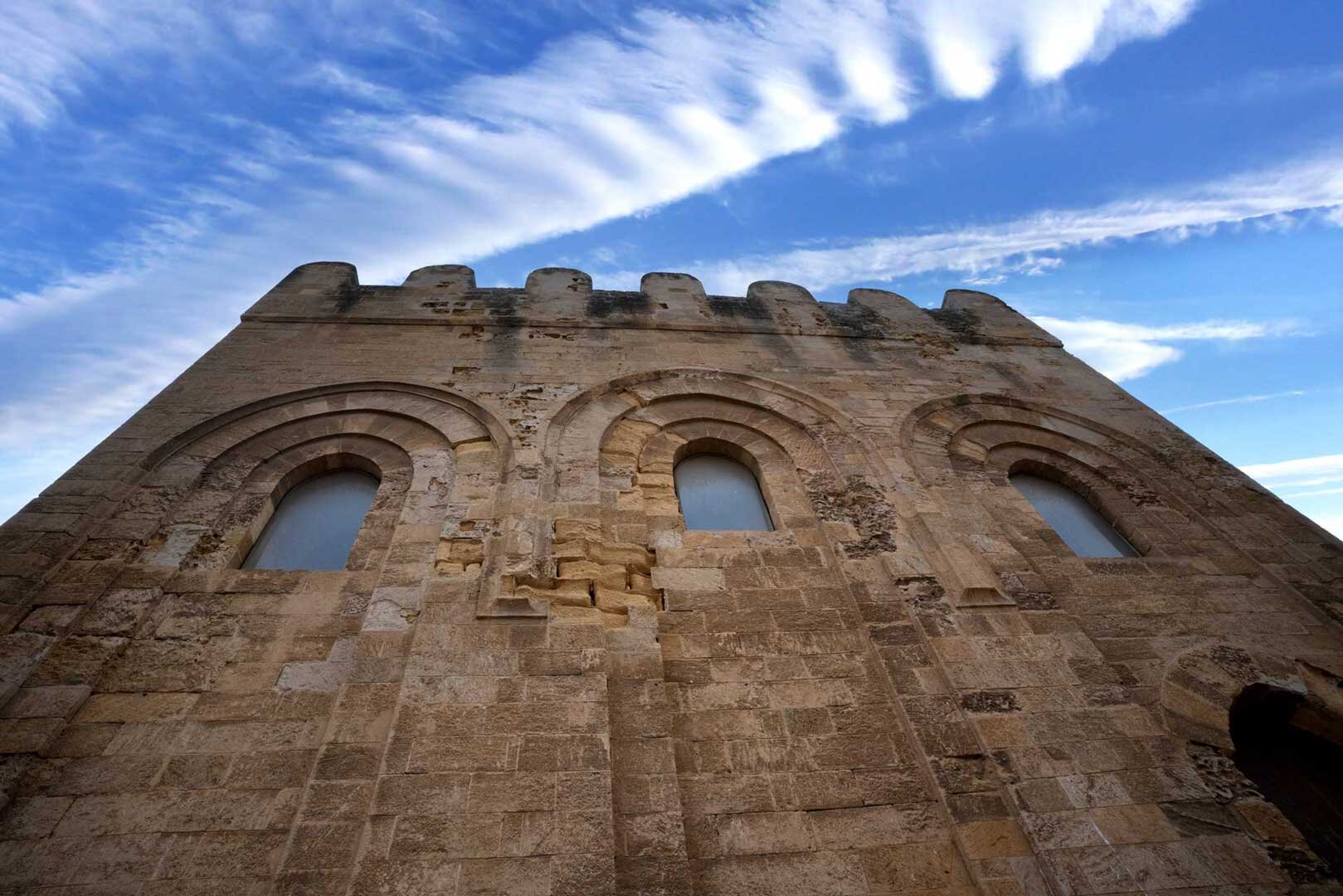
It was a Phoenician trading post, then for more than two centuries the Arab capital of the Val di Mazara, one of the three great districts into which the Muslims divided Sicily. The Normans conquered it in 1072 and founded the diocese there, but they did not erase the earlier soul: they layered over it. Today Mazara is all of this at once — the Arab Kasbah and the Baroque cathedral, the Greek Dancing Satyr and the largest fishing fleet in Italy, the muezzins and the bells. A frontier town that has made the frontier its wealth.
"In Mazara the Mediterranean is not a border but a square: Europe and Africa look onto it, and they speak to each other."
— The soul of the town
The Kasbah: the last medina in Sicily
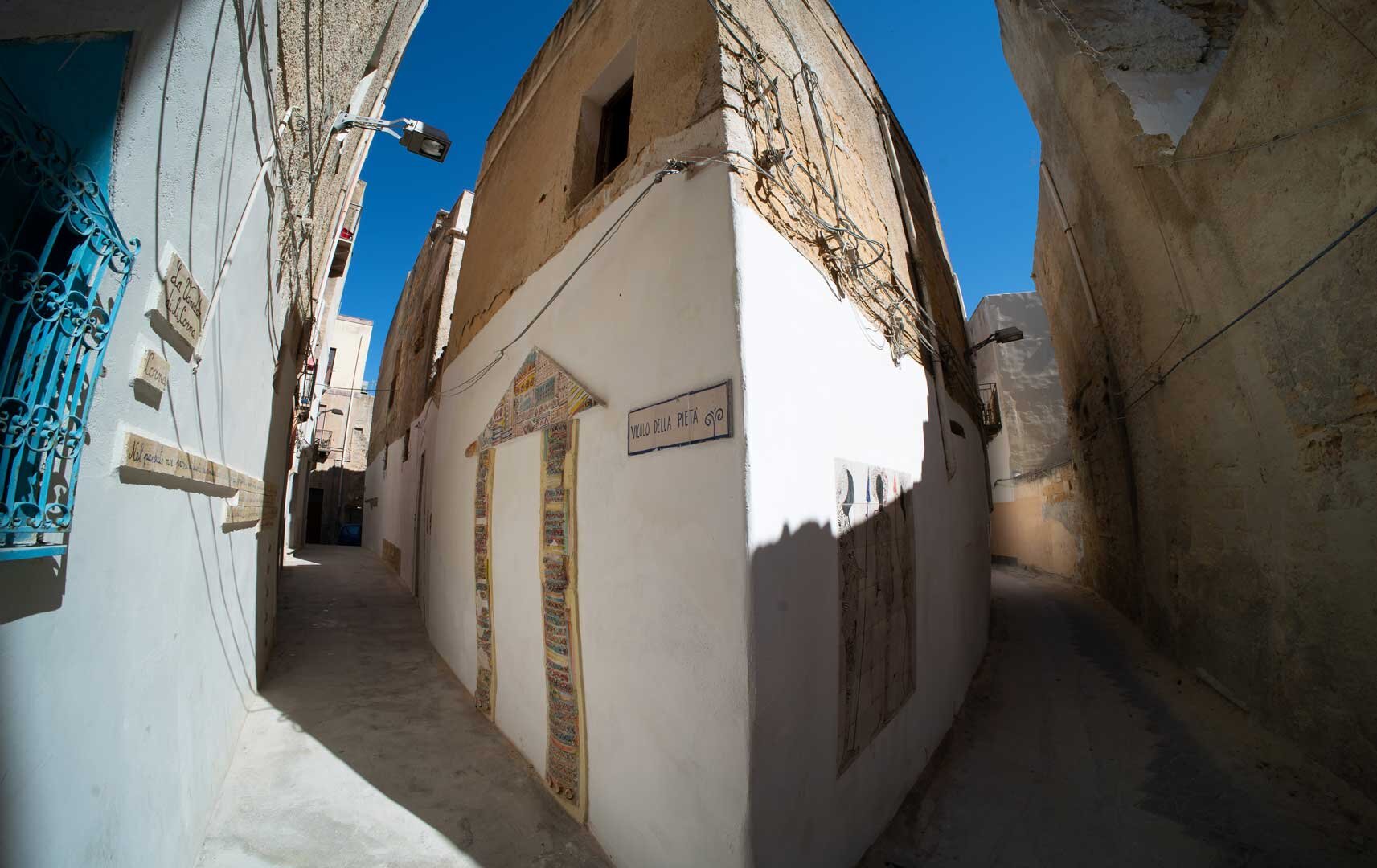
In the heart of the old town opens the Kasbah, Mazara's Arab quarter — the only true surviving medina on the island. It is a tangle of narrow, winding alleys, laid out a thousand years ago to baffle the wind and the sun, where the white houses almost touch overhead and every corner hides a courtyard, a fountain, a workshop. In recent decades the Kasbah has come back to life: this is where much of the town's Tunisian community lives, and the walls have filled with colourful murals and ceramics that tell the story of the meeting between the two shores. You wander without a destination, amid the scent of bread and spices, and at a certain point you forget you are in Italy.
The Dancing Satyr: the bronze back from the sea
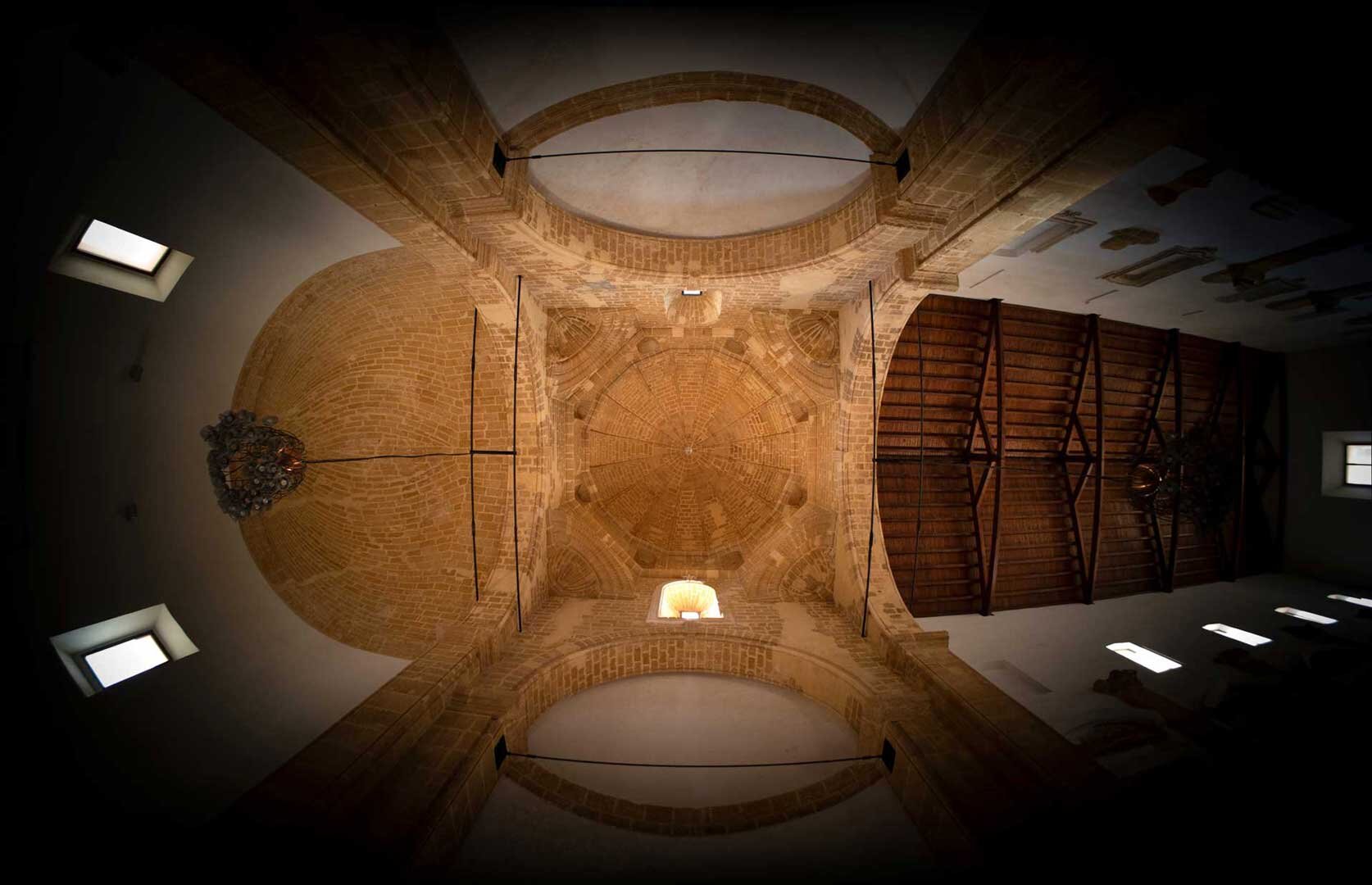
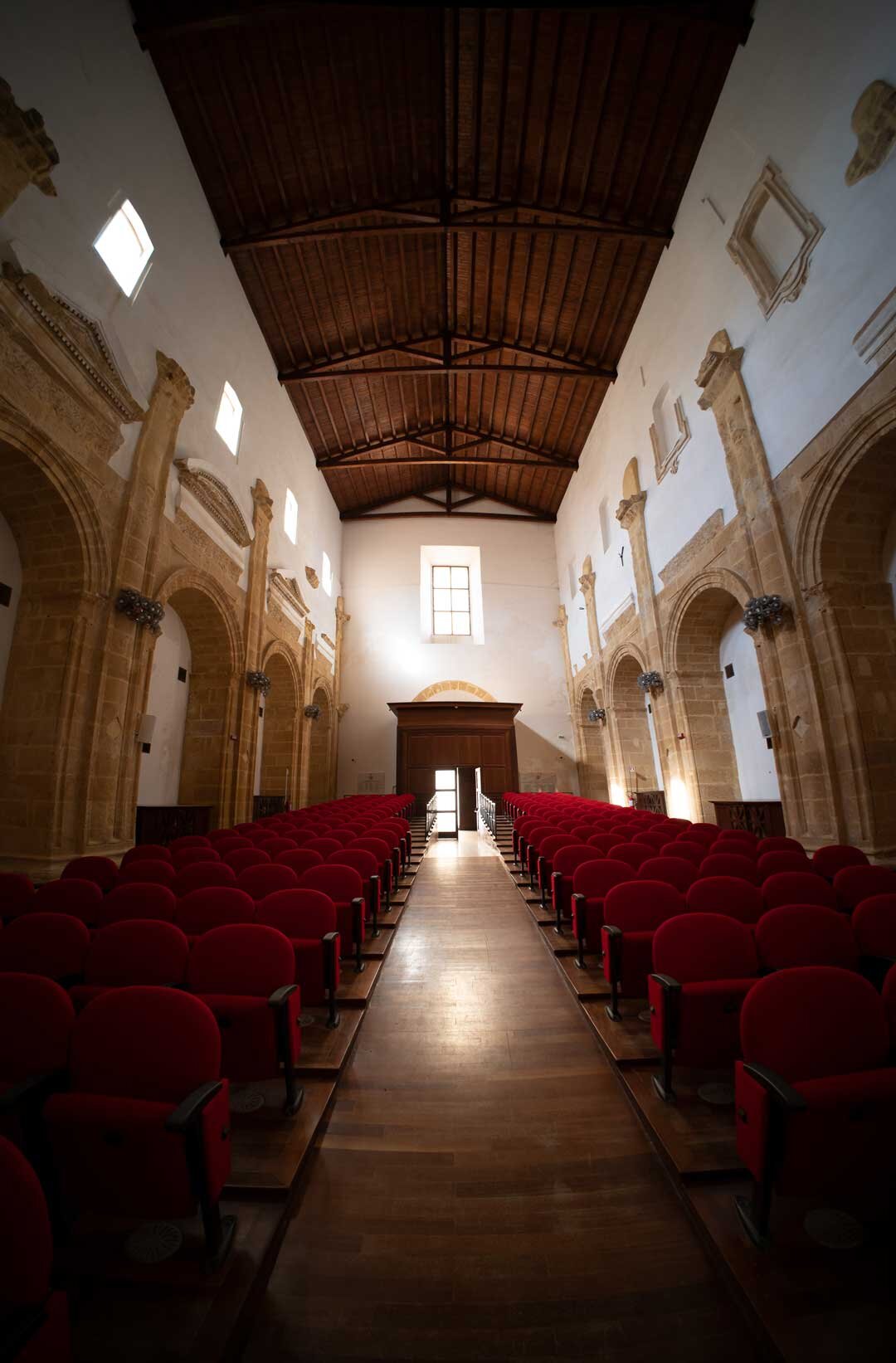
In 1998 the net of a Mazara trawler, the Capitan Ciccio, came up from the depths of the Strait of Sicily with something impossible: a bronze leg, and then an entire body. It was the Dancing Satyr, a masterpiece of Greek sculpture — probably from the circle of Praxiteles, 4th century BC — buried in the mud of the sea for over two thousand years. Restored and brought home, today it dances alone, floodlit, at the centre of the Satyr Museum, set up in the deconsecrated church of Sant'Egidio (1424). Caught in the instant of an ecstatic pirouette, head thrown back and hair in the wind, it is one of the few Greek bronze statues to have reached us — and the absolute symbol of Mazara.


The cathedral and the Baroque square
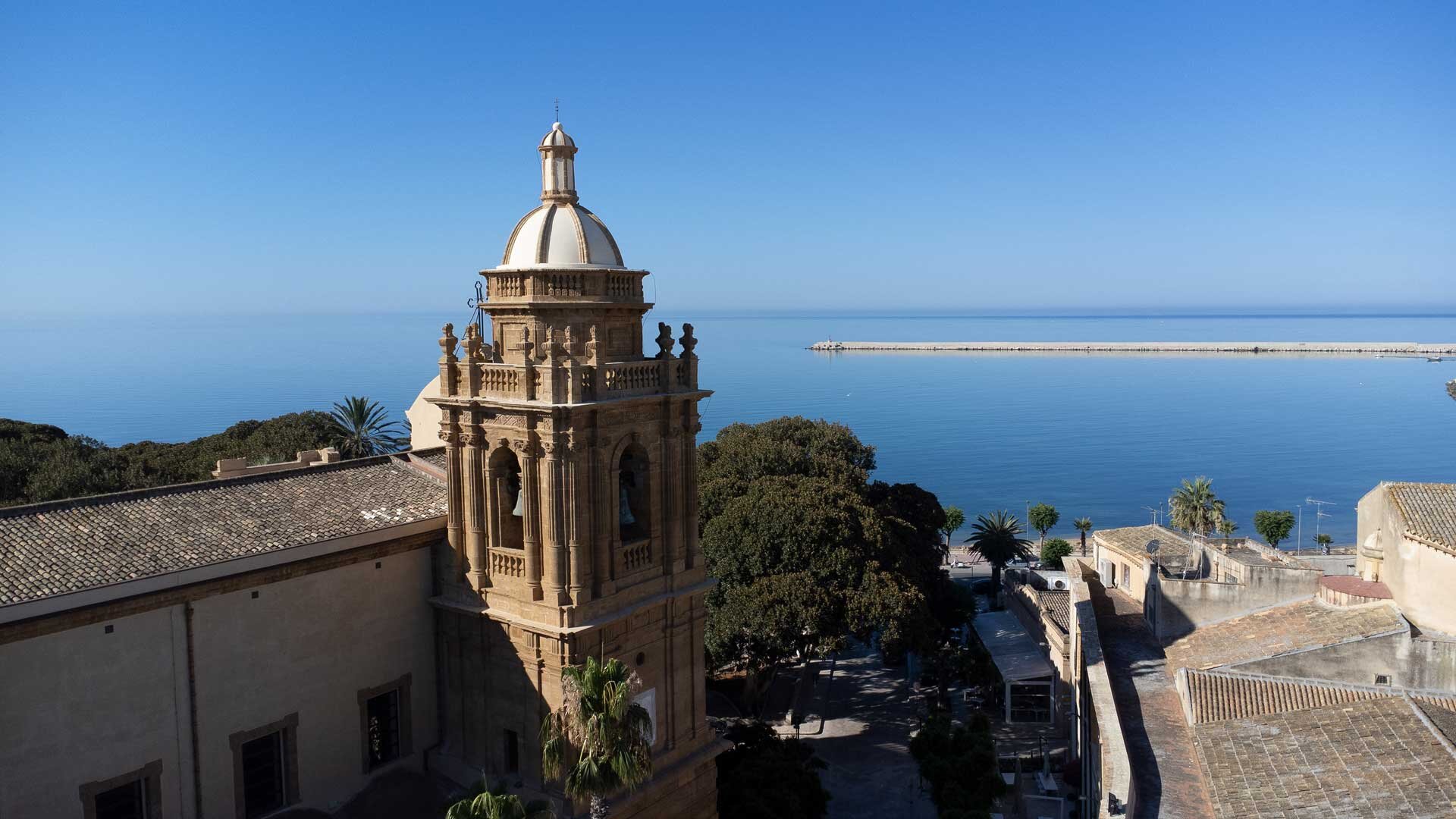
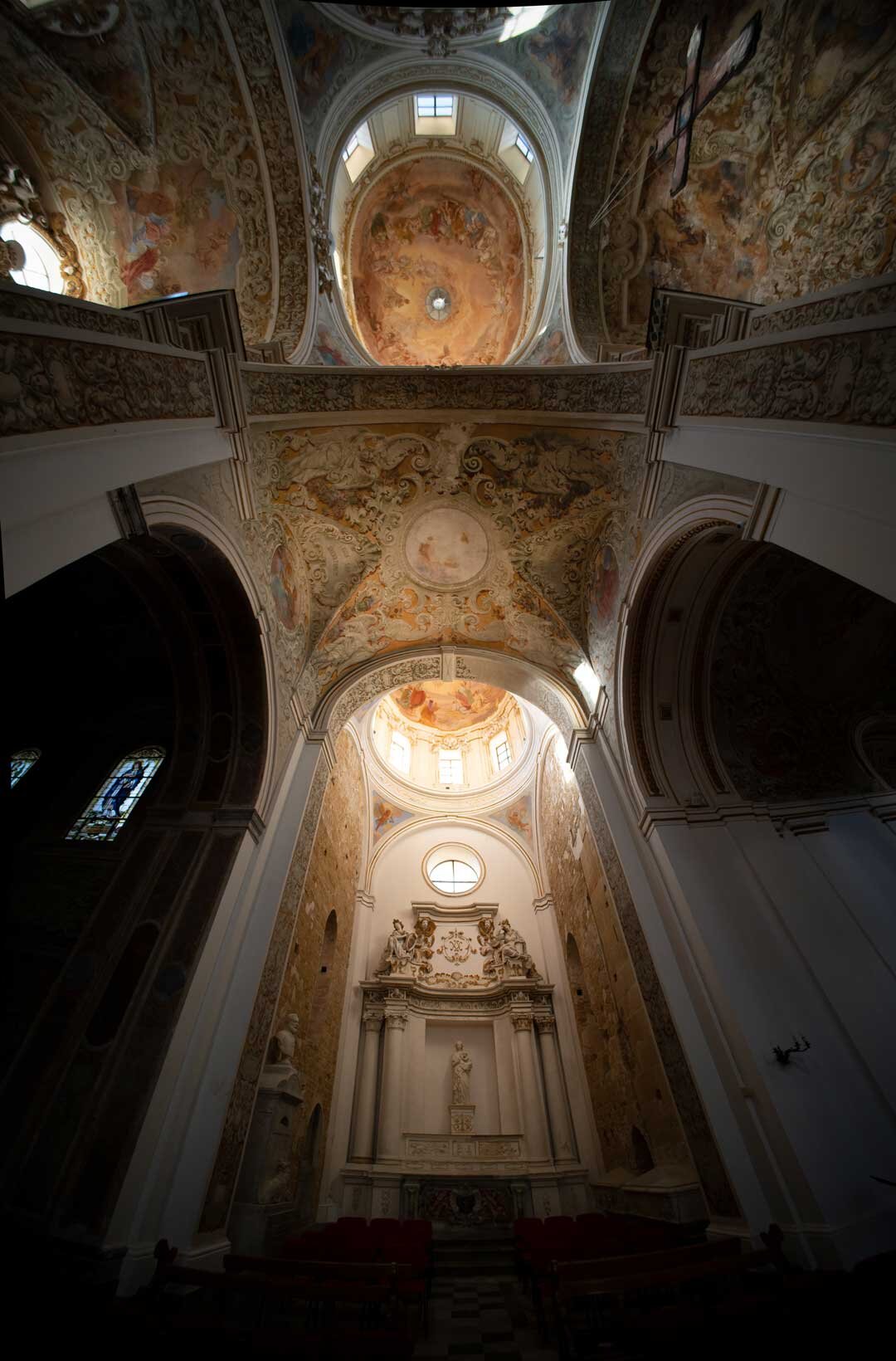
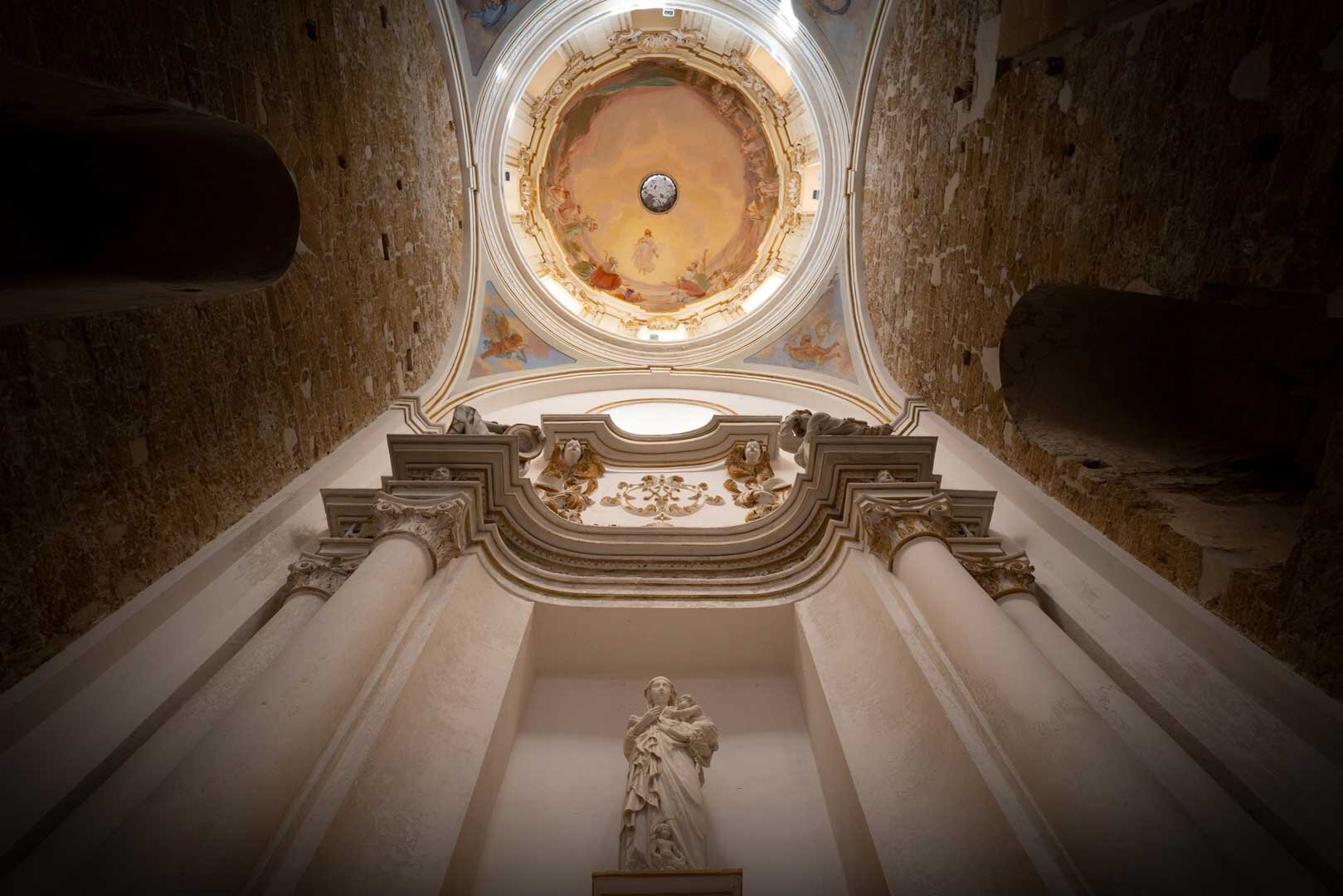
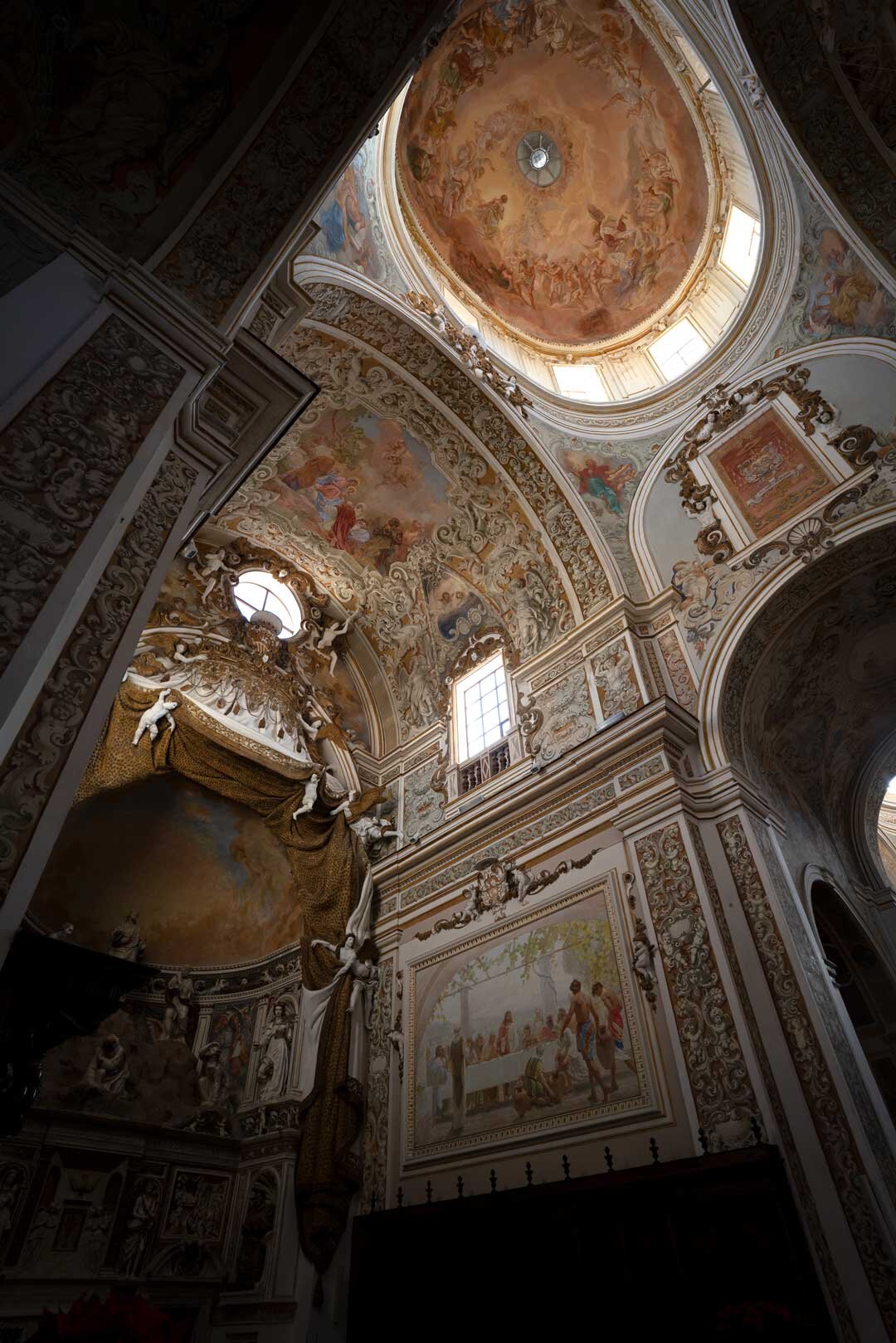
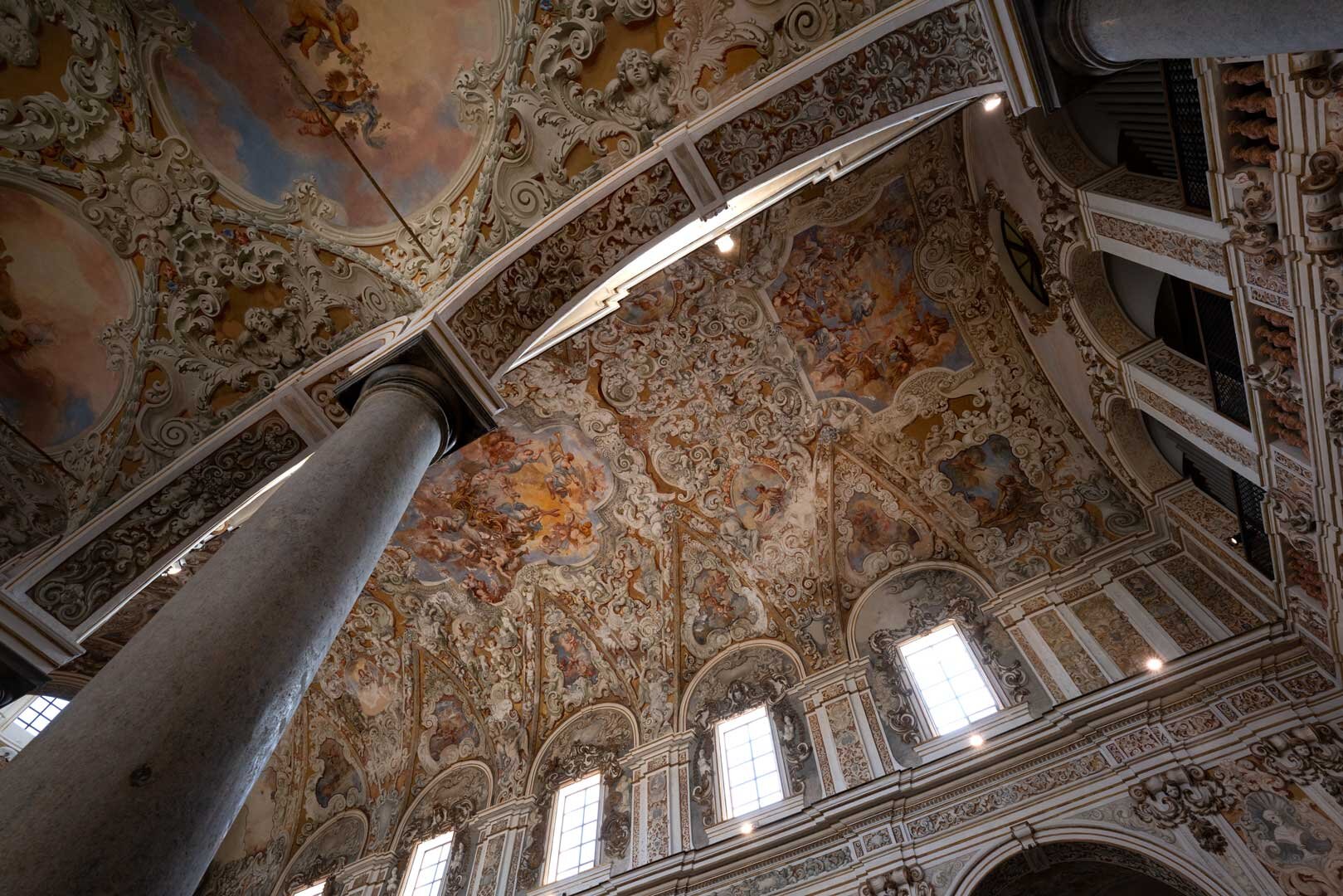
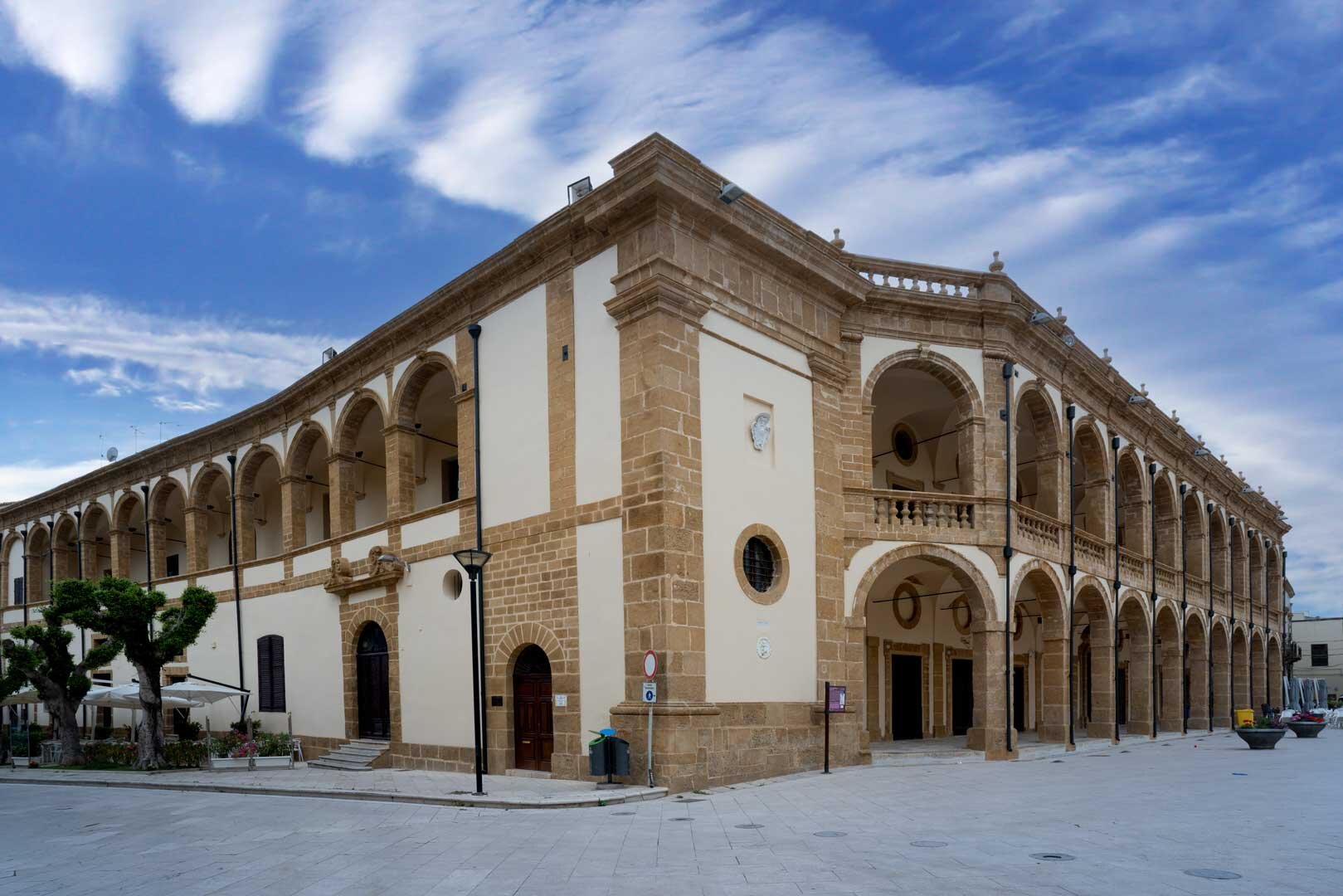
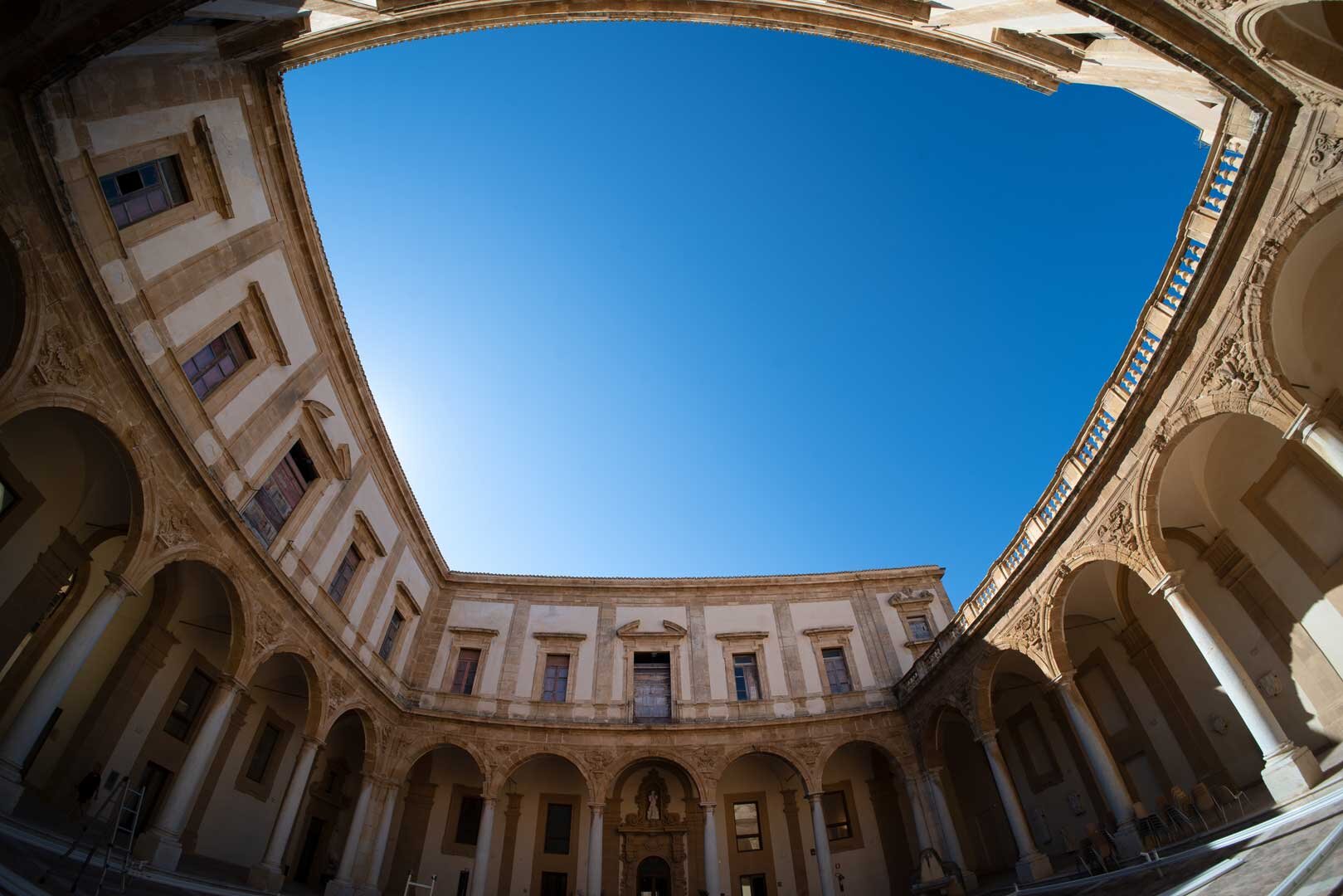
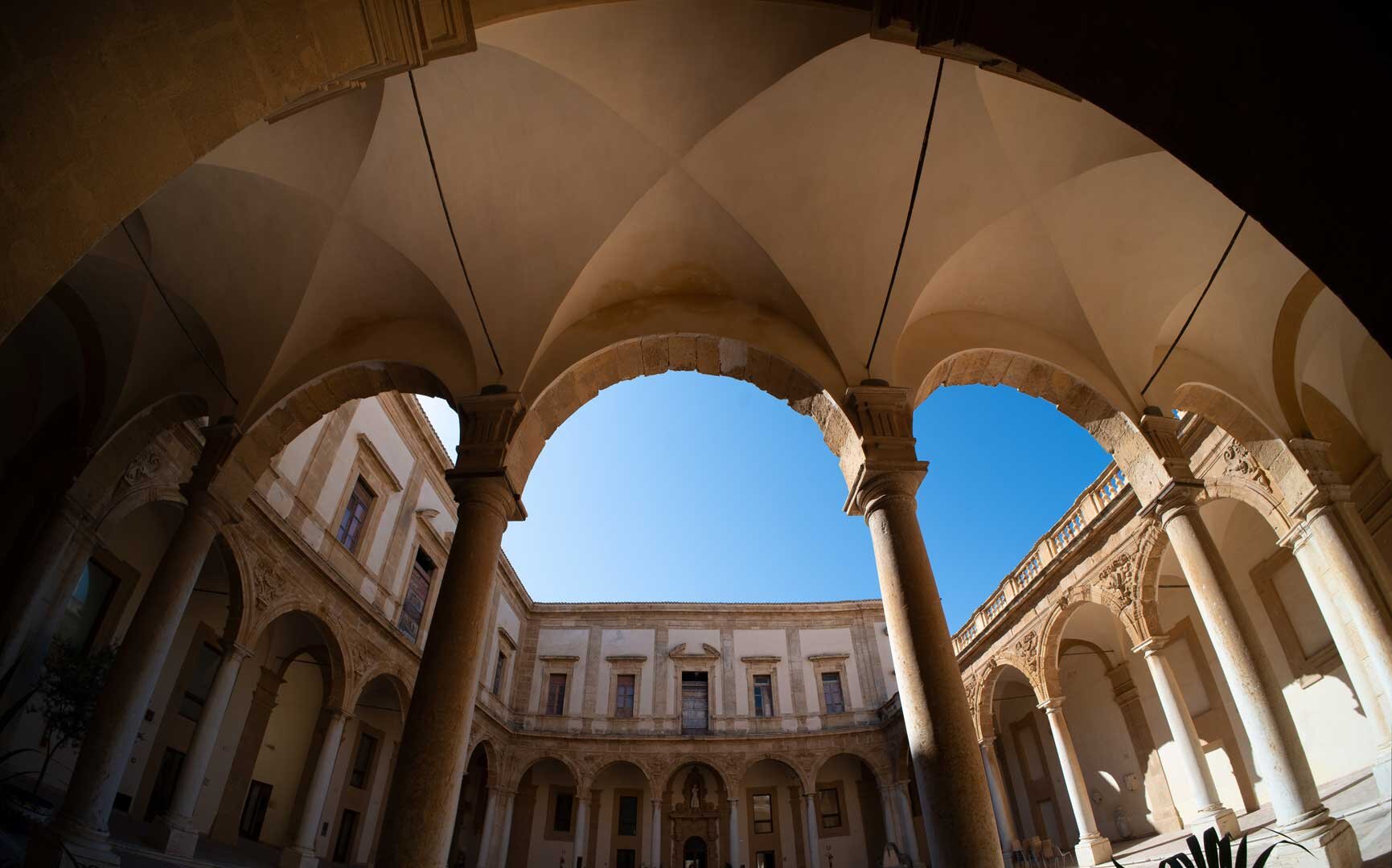
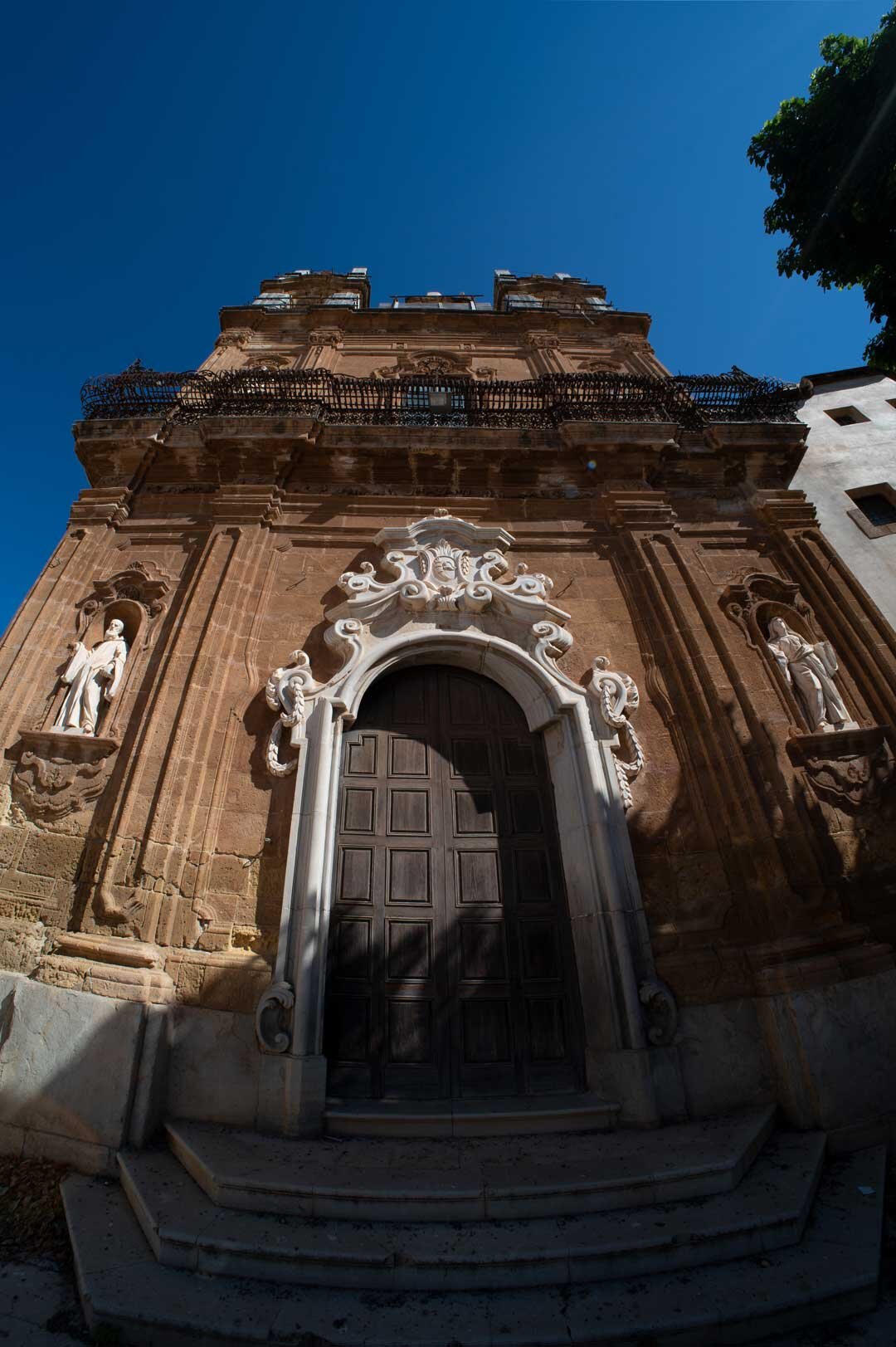
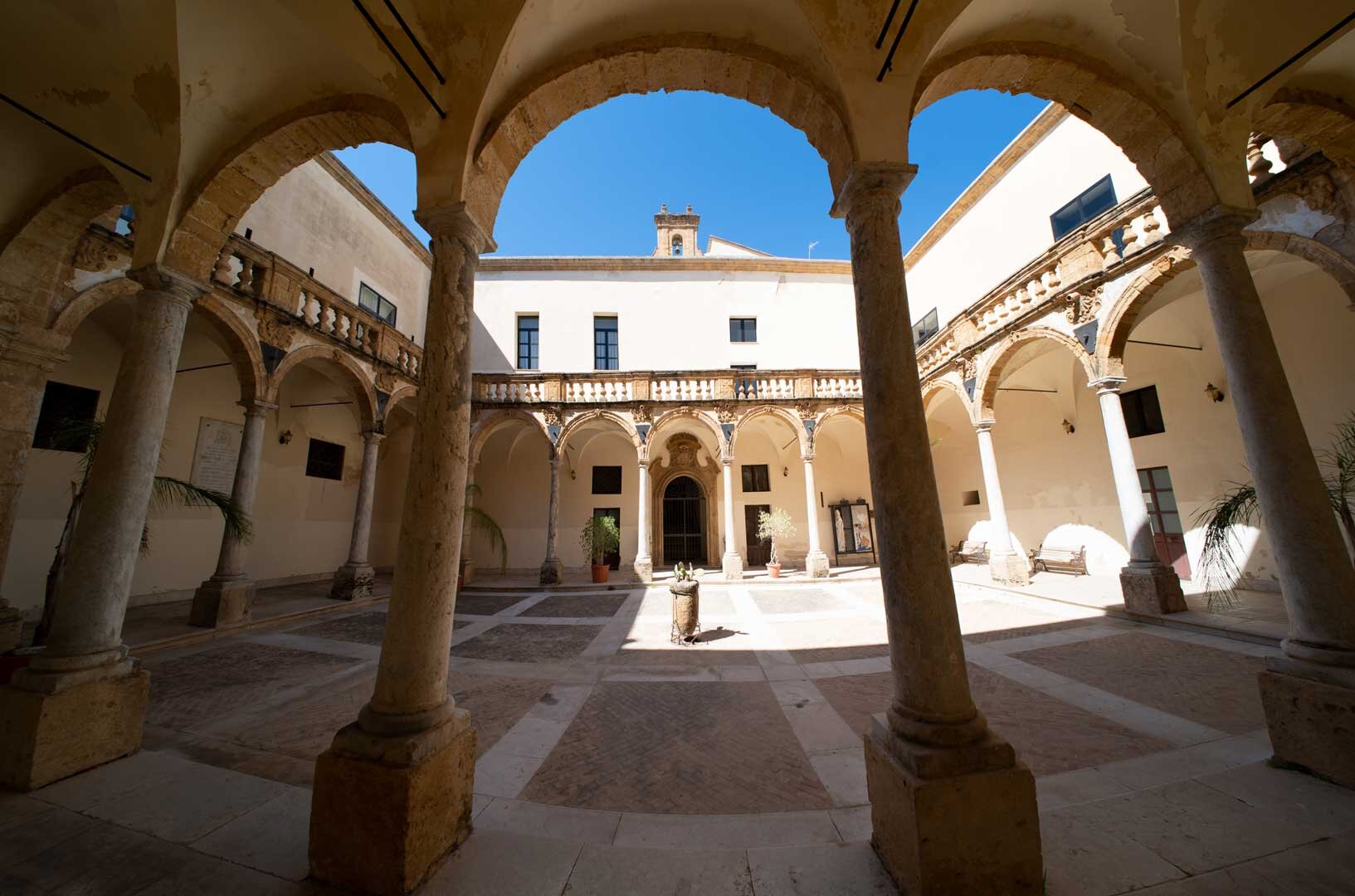
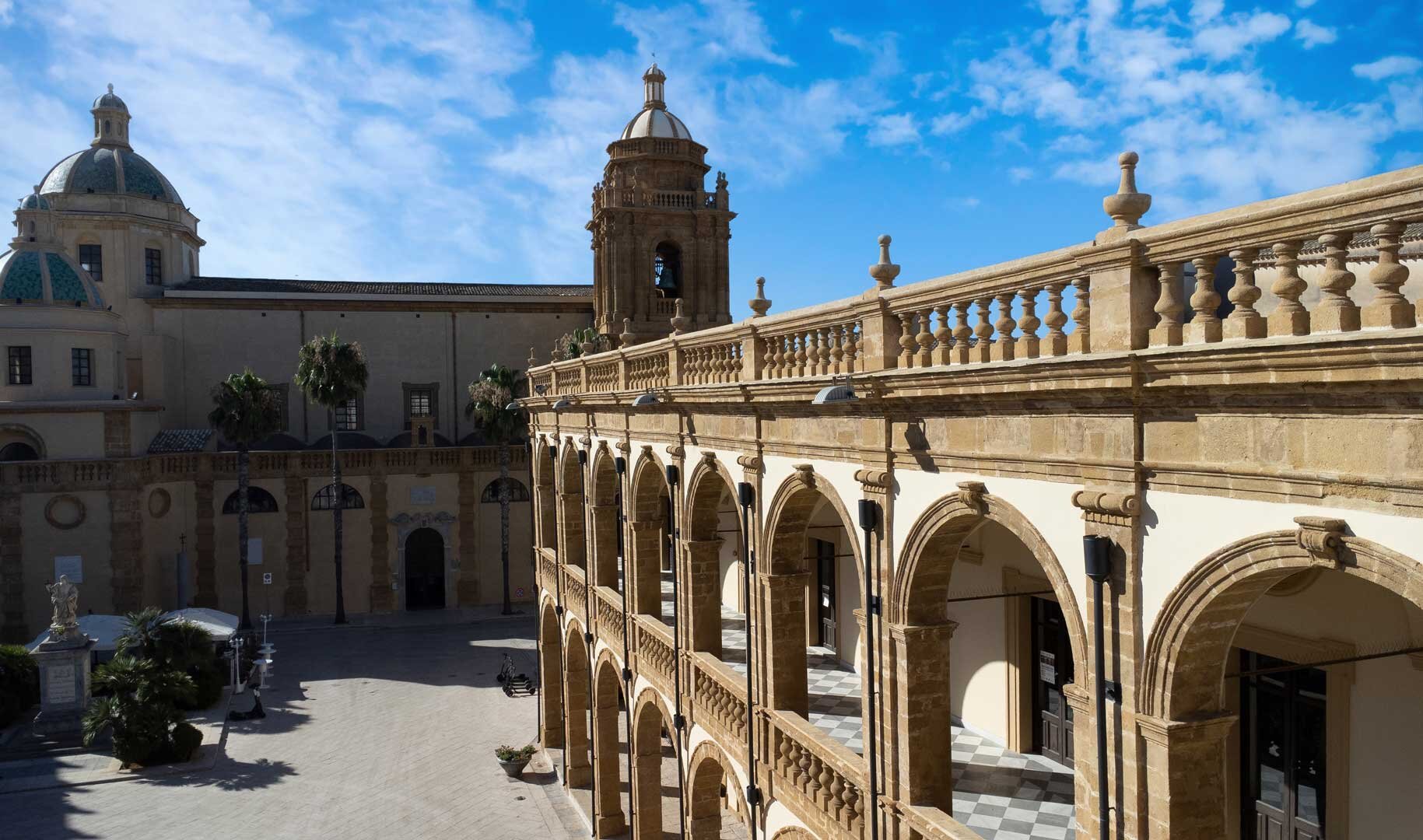
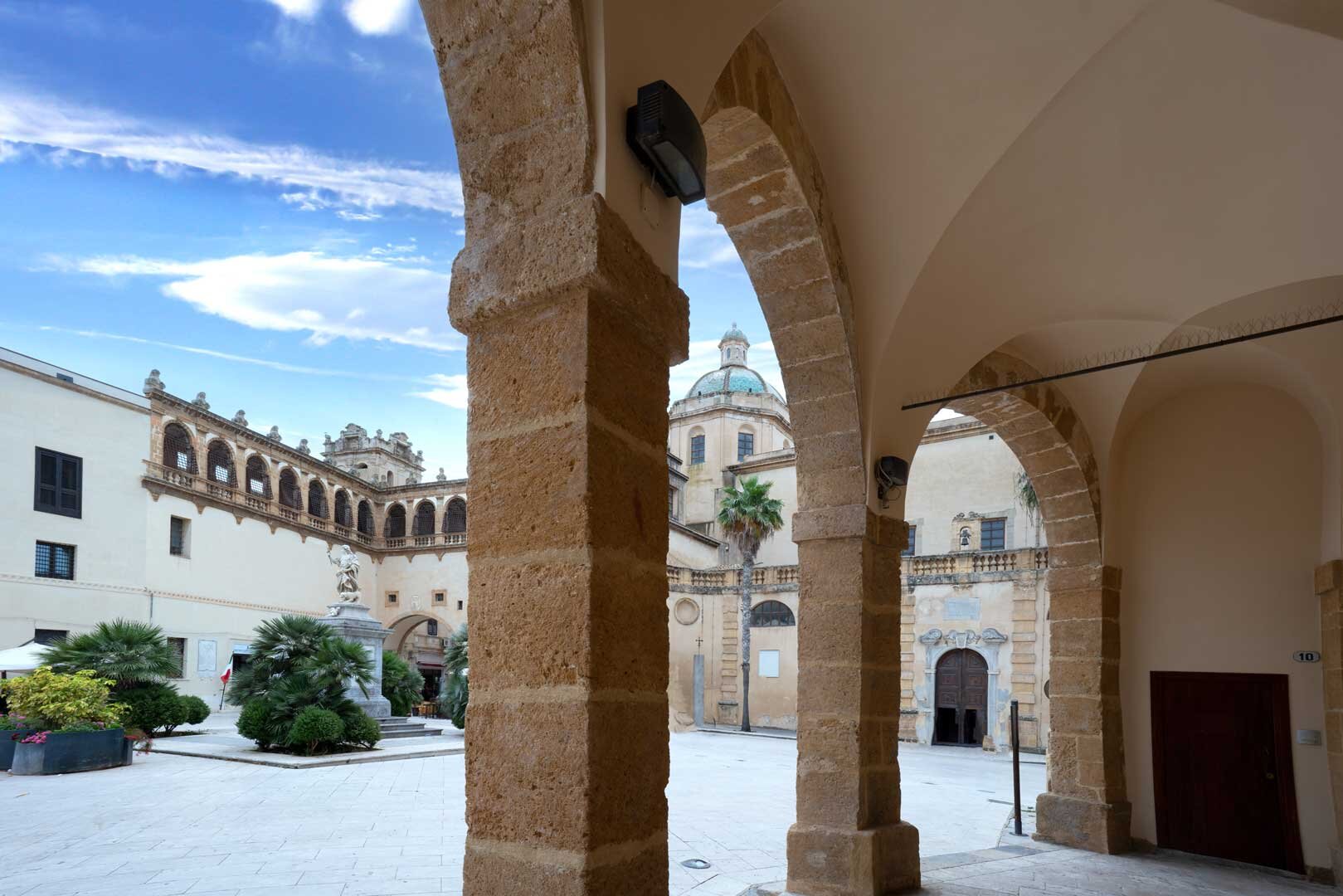
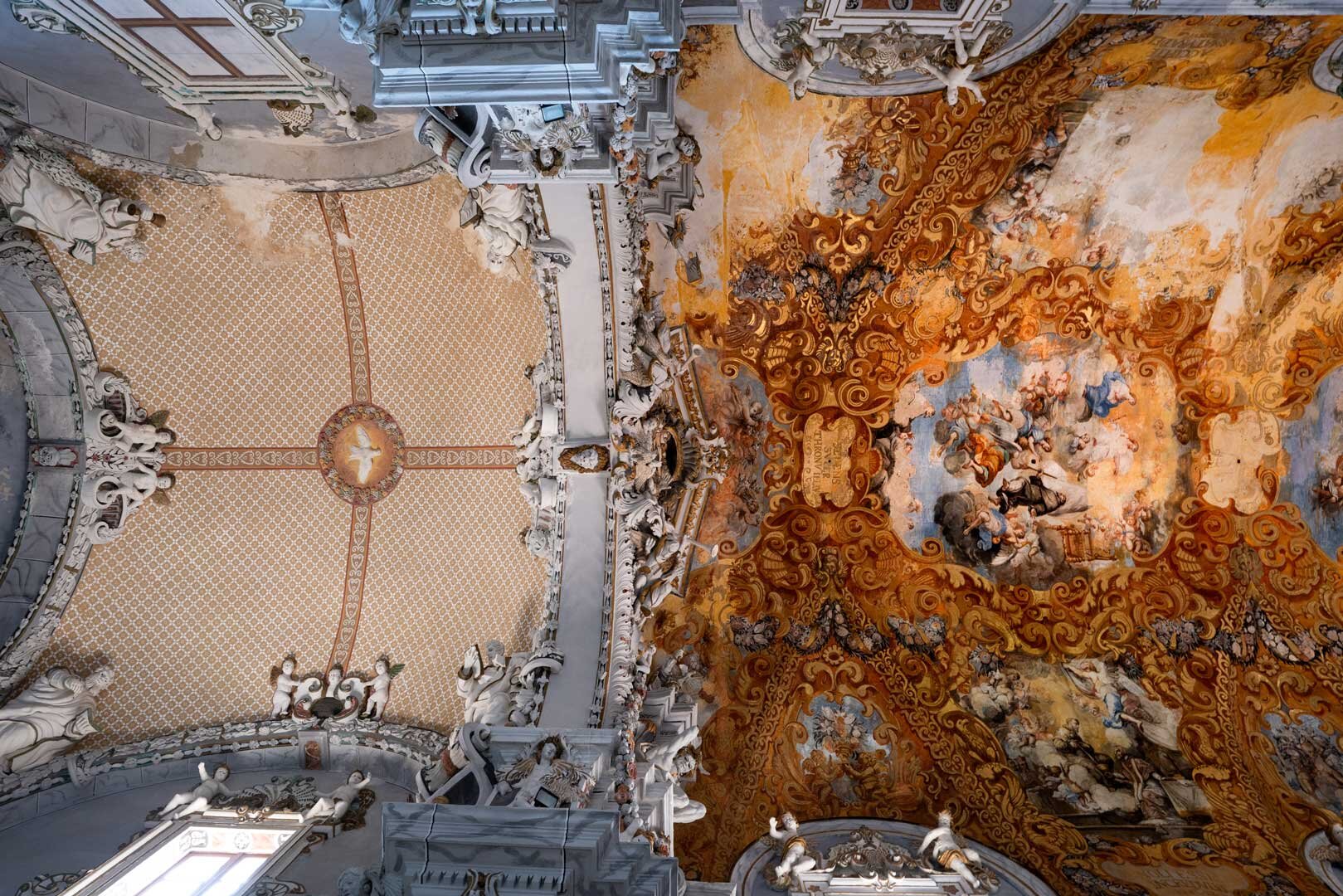
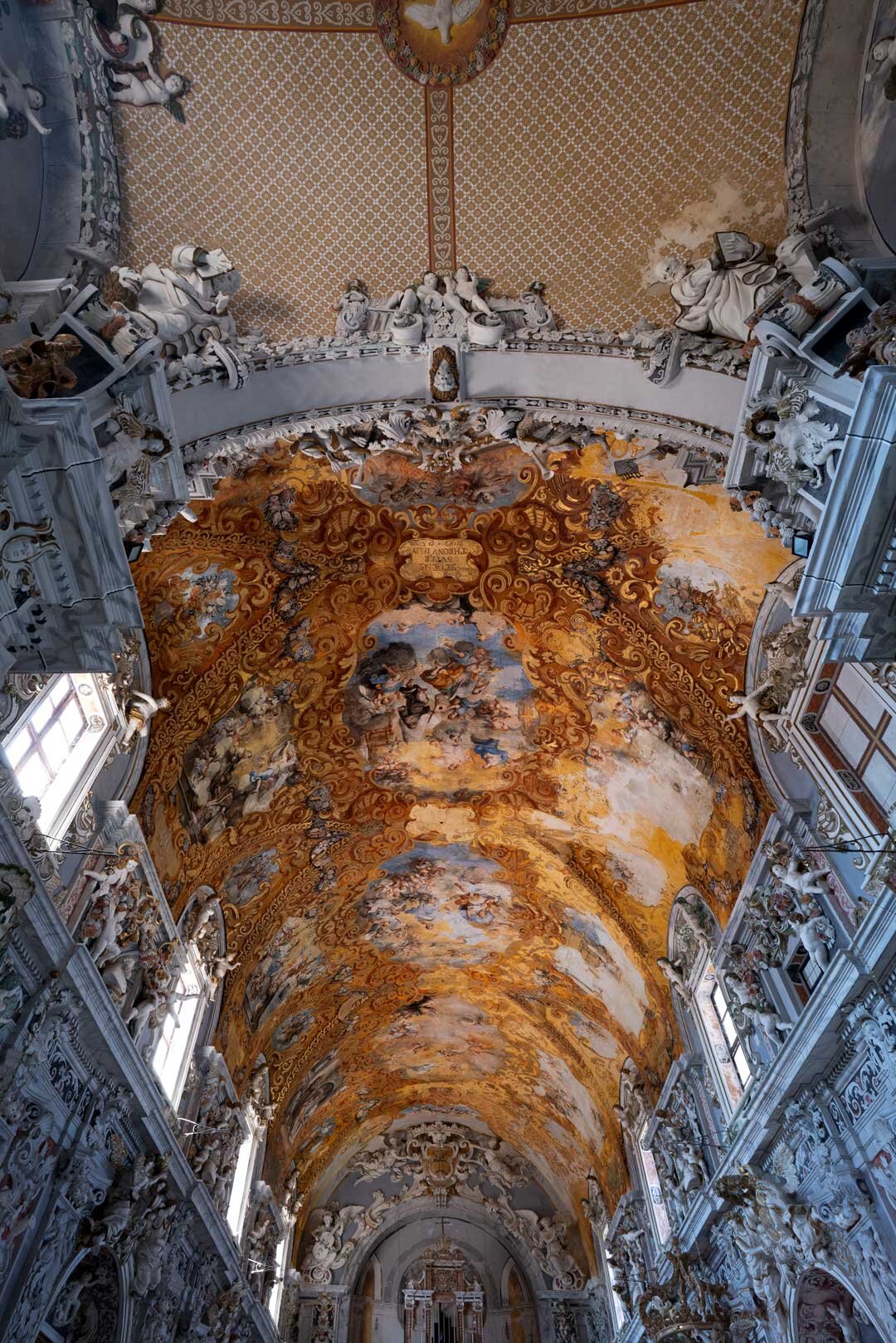
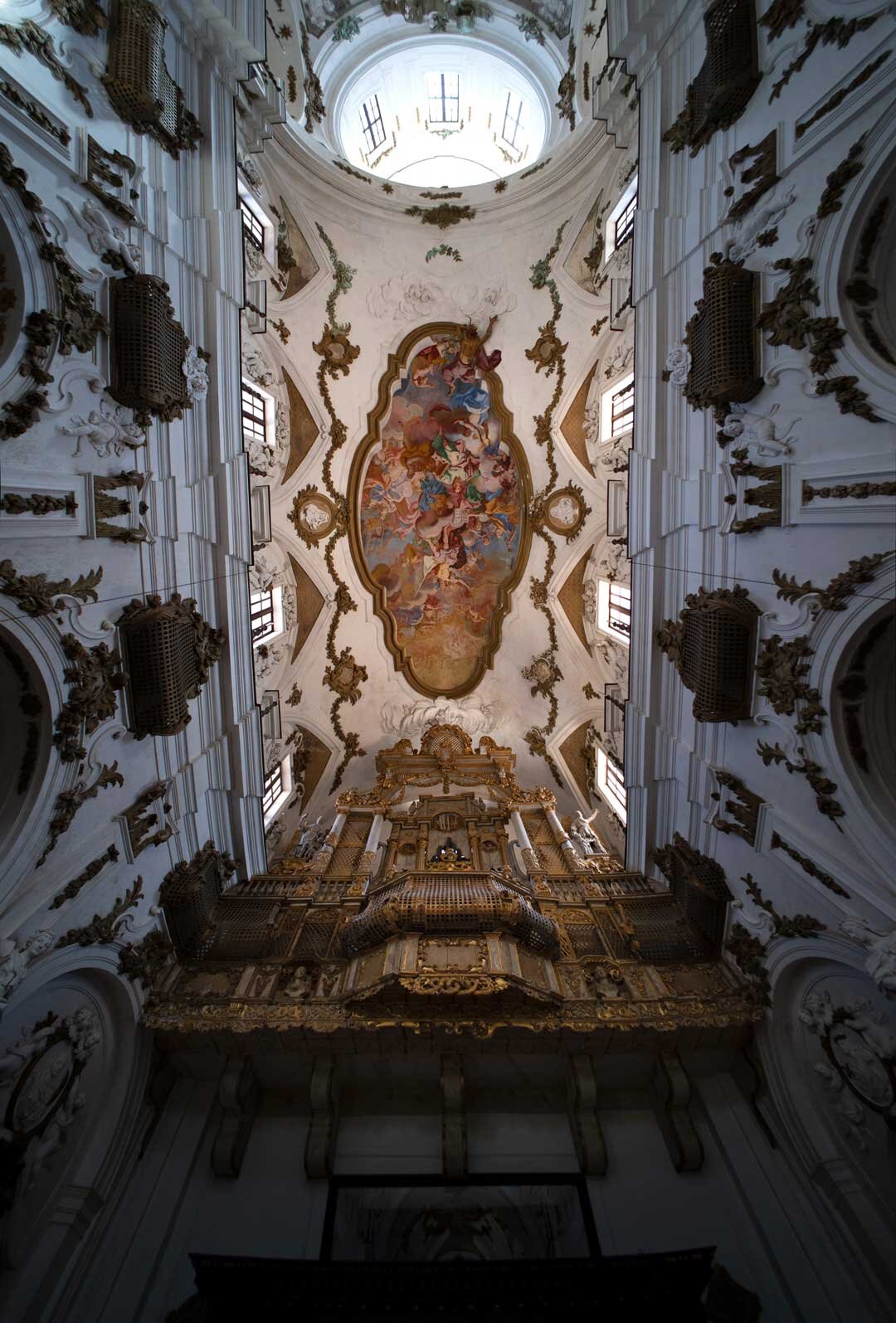
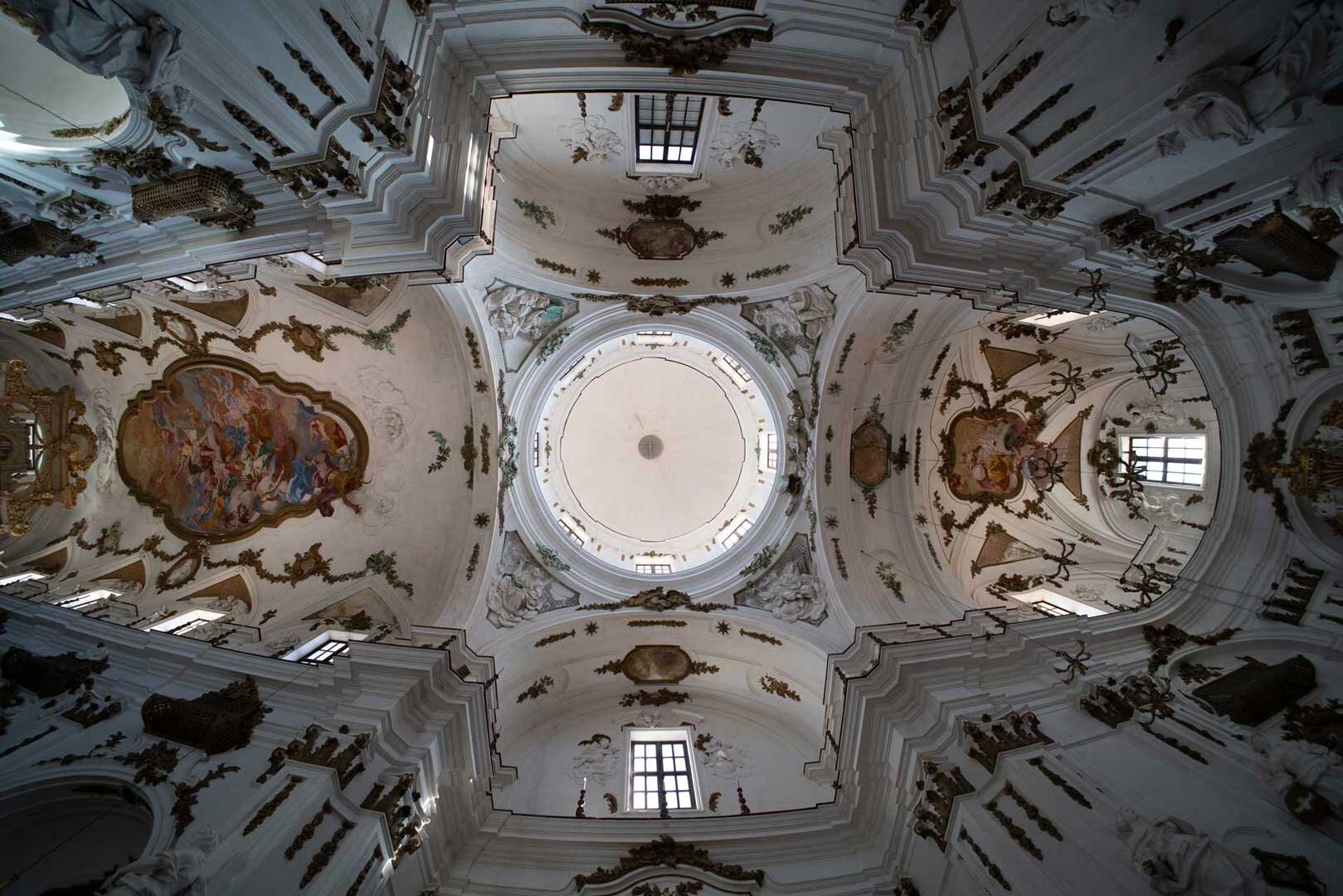
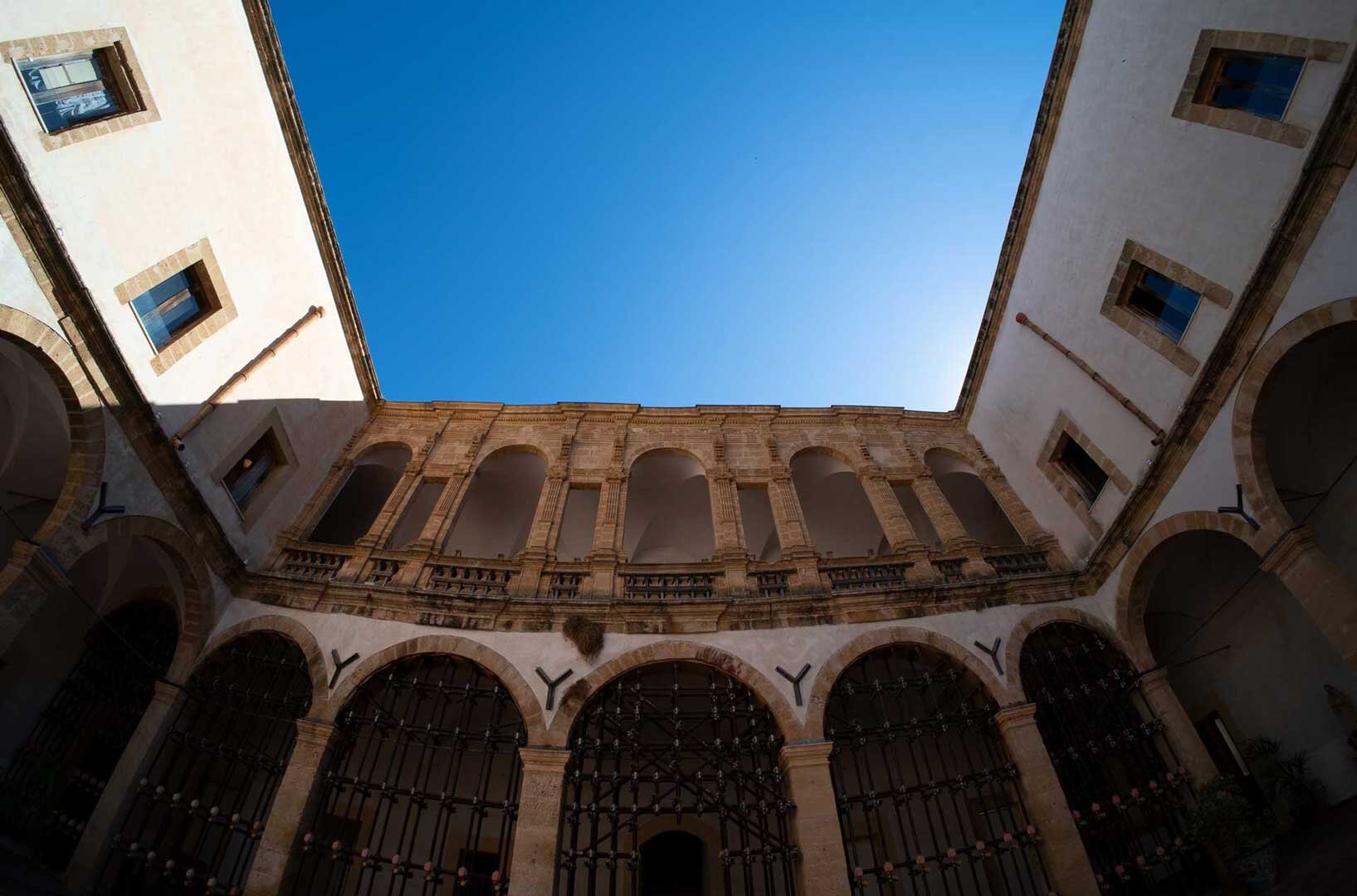
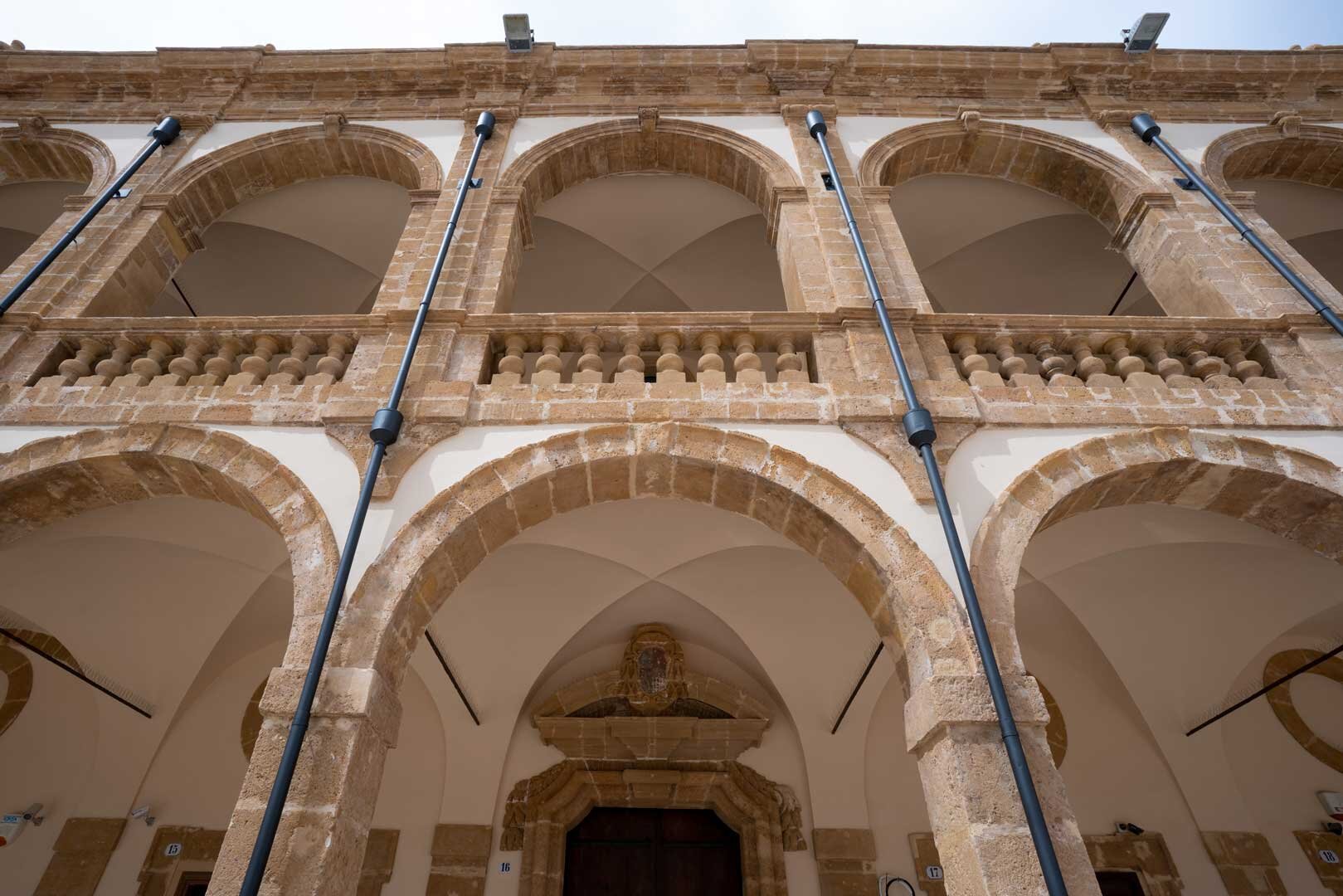
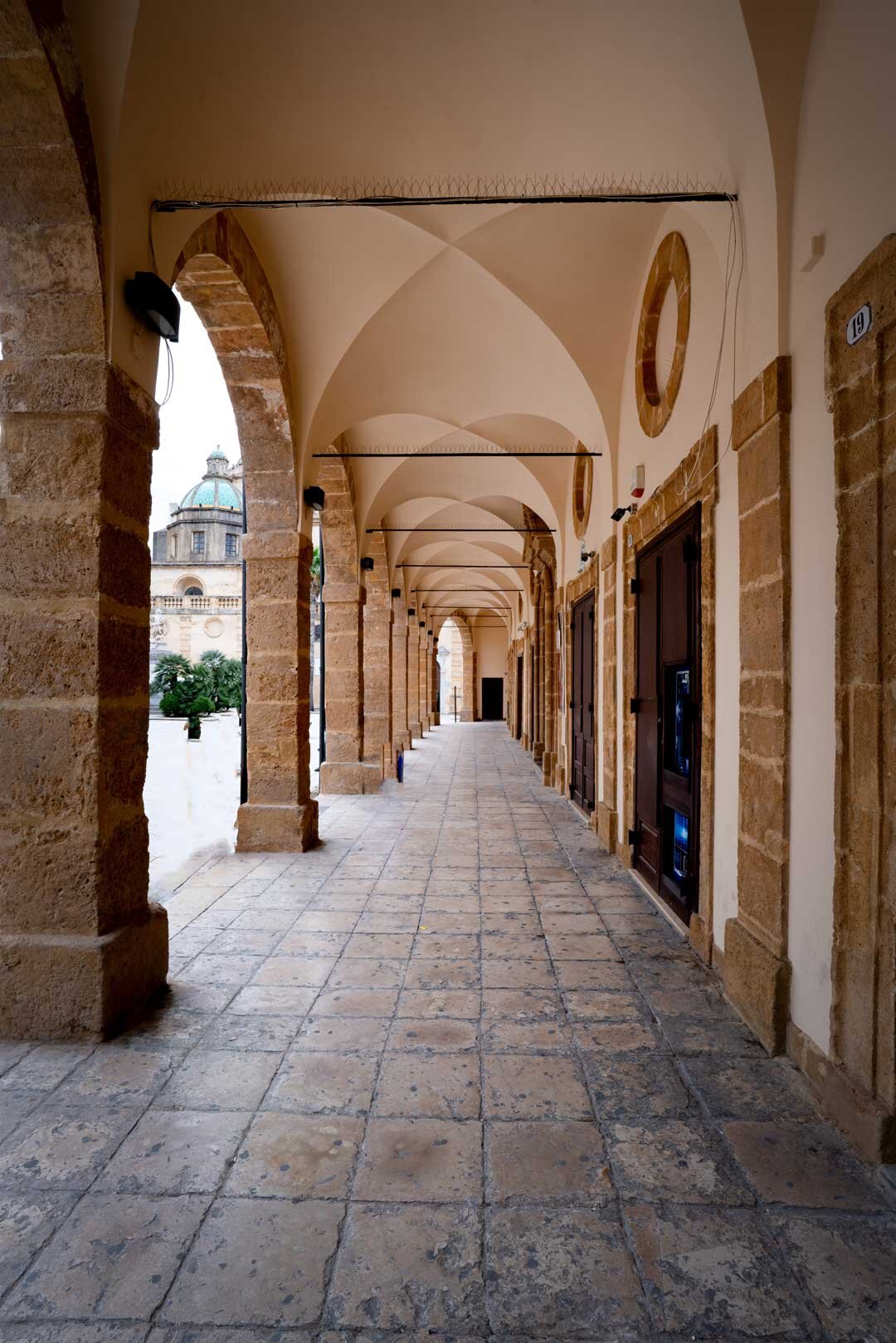
The monumental heart of Mazara is Piazza della Repubblica, one of the most elegant Baroque drawing rooms in Sicily: closed on one side by the Cathedral of the Most Holy Saviour and on the other by the Seminary and the Bishop's Palace, with their arcades and the statue of San Vito. The cathedral, founded by the Normans and rebuilt in Baroque forms at the end of the seventeenth century, stands where the main mosque once rose: inside it guards the grandiose sculptural group of the Transfiguration by Antonello Gagini and a cycle of stuccoes and marbles that tell of centuries of devotion. A few steps away, the Diocesan Museum preserves sacred silverware and vestments.
The fishing town and the red prawn
Mazara is the leading fishing district in Italy: almost four hundred boats set sail from its port towards the Strait of Sicily, and on their decks Sicilian and Tunisian sailors work side by side. The treasure they bring back has a name that is now a brand: the red prawn of Mazara, fished in the offshore deep, with sweet flesh and an intense colour, in high demand from kitchens all over the world. Strolling at dawn along the harbour basin, among the returning boats and the fish market coming to life, is the best way to grasp the industrious, Mediterranean soul of this town.
The beaches and the coast
A few minutes from the centre, Mazara's coast offers long stretches of sand. The beach of Tonnarella, north-west of the town, is the most loved: pale sand, a gently shelving seabed, lidos and free stretches, ideal for families. Further south, the Lago Preola and Gorghi Tondi Nature Reserve, run by the WWF, protects a system of lakes and wetlands where flamingos and migratory birds stop over; and Capo Feto, the last great coastal marsh of western Sicily, is a wildlife refuge of rare, silent beauty.
When to go
Frequently asked questions about Mazara del Vallo
How much time do you need to visit Mazara del Vallo?
For the Kasbah, the Satyr Museum, the cathedral and the Baroque square, a full day is enough. Adding the beaches of Tonnarella, the nature reserves and the fishing port, two days let you enjoy it at your leisure.
Where is the Dancing Satyr and how do you visit it?
The Dancing Satyr is on display at the Satyr Museum, in the deconsecrated church of Sant'Egidio, right in the old town. The museum is open to the public with a ticket; the bronze, fished up in 1998, is floodlit at the centre of the main hall.
How do you get to Mazara del Vallo?
By car from the A29 (Palermo–Mazara), Mazara del Vallo exit. Trapani Birgi airport is about 45 minutes away, Palermo airport about an hour and a half. Mazara is also served by the Palermo–Trapani railway line via Castelvetrano.
What is the Kasbah and can you visit it freely?
The Kasbah is Mazara's Arab quarter, the only surviving medina in Sicily: alleys, courtyards, murals and workshops of the Tunisian community. It can be visited freely on foot, by day; it is a lived-in neighbourhood, so you walk around it with respect and curiosity, as in a real medina.
Why is Mazara's red prawn so famous?
It is fished in the depths of the Strait of Sicily by the Mazara fleet, the largest in Italy. Its sweet flesh, intense red colour and freshness make it an ingredient sought after by international haute cuisine. In Mazara it is enjoyed straight off the boat, often raw.
When is the feast of San Vito in Mazara?
The Festino di San Vito, the town's patron saint, is celebrated at the end of August, with the Annunciation in seventeenth-century costumes, the procession of the silver statue, the blessing of the sea and the casting of the laurel wreath in memory of drowned sailors.
Discover more
For institutional information, museum opening hours, events and visitor services, see the official website of the Municipality of Mazara del Vallo.
 Is not it what you were looking for? Review your choice


 Accommodation
 Event
Event
 All services
 How to get there
 Weather forecast