locality

Custonaci

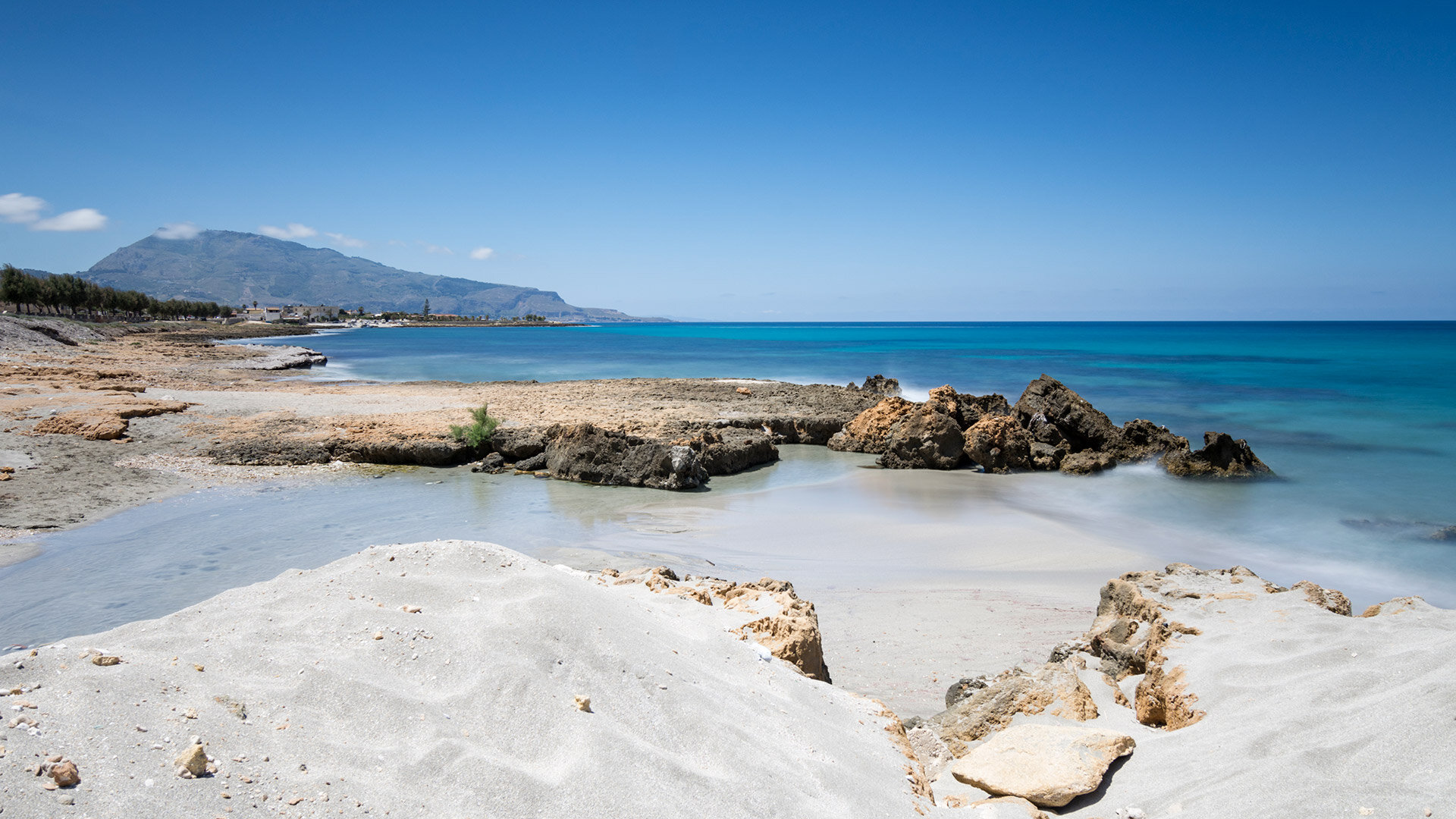
Baia di Cornino | © Archivio West of Sicily Baia di Cornino | © Archivio West of Sicily

There is a mountain that plunges into the sea, a sanctuary surrounded by olive trees, a village carved into the rock where every Christmas a scene from two thousand years ago comes to life. Custonaci is all of this together: a small municipality in the Trapani area that seems suspended between Marian devotion, wild nature and the work of stone.

Until 1948 it was a hamlet of Erice. Then it became an autonomous municipality, keeping however the soul of its rural districts scattered between the sea and Monte Cofano. Today it is famous for three things: its Sanctuary, with the miraculous image of the Madonna who arrived from the sea; the Mangiapane Cave, where every December-January one of Italy's most celebrated living nativity scenes is staged; and its marbles, the famous Perlato di Sicilia that also adorns the Vatican palaces.

"The Madonna of Custonaci arrived from the sea, brought by a French ship in a storm that found refuge in the Cornino gulf."
— Local tradition

The Sanctuary and the Madonna who arrived from the sea

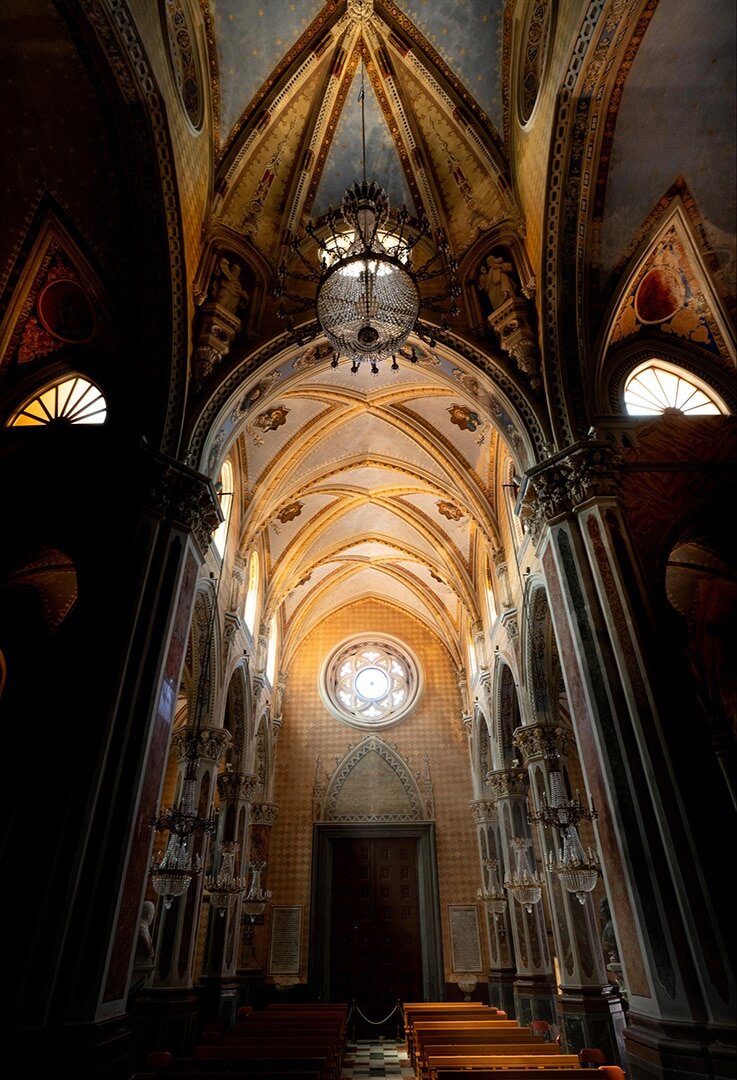
The Sanctuary of Maria SS di Custonaci was built around 1500 and preserves the miraculous painting of the Madonna and Child, oil on panel attributed to the school of Antonello da Messina. According to tradition, a French ship caught in a storm found shelter in the Cornino gulf carrying this sacred effigy; the community welcomed it and built a temple for it. In 1752 the Vatican Chapter — at the will of Pope Clement XIII — solemnly crowned it, making it one of the most venerated Marian images in all of western Sicily. The patronal feast on the last Sunday of August is still an occasion of great popular participation, with the procession of the statue through the town streets.


The Mangiapane Cave and the Living Nativity

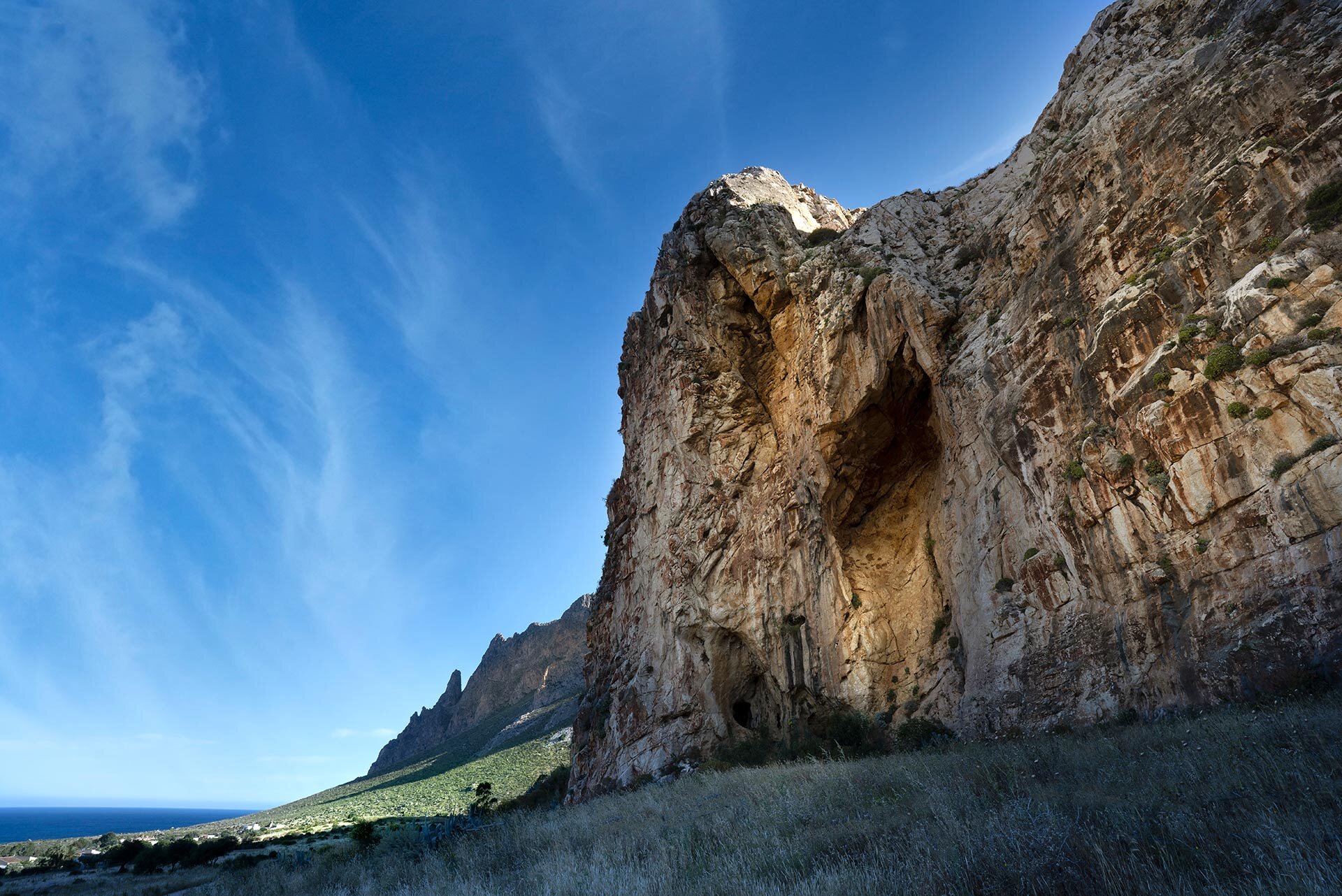
In the hamlet of Scurati, at the foot of Monte Cofano, opens the Mangiapane Cave — a troglodyte village inhabited until the twentieth century, with houses leaning against the rock wall, ovens, stables, an ancient oil mill. Since 1983 the Living Nativity has been staged here every Christmas, considered one of the most beautiful in Italy: over 160 figures in costume recreate among the cave-houses the trades of nineteenth-century rural Sicily — the baker, the blacksmith, the shepherd, the spinner — while the Nativity scene unfolds under the rock vault. It runs from December 26 to January 6, with atmospheric guided evening visits. For the rest of the year the Cave can still be visited as an archaeological and ethnographic site.

Mangiapane Cave — troglodyte village in the Scurati hamlet, home of the historic Living Nativity since 1983.
Torre di Cornino — sixteenth-century coastal tower defending the bay of the same name.
Torre di San Giovanni — part of the watchtower system against corsairs.
Cofano Tuna Trap — ancient tuna-fishing station at the base of the promontory.

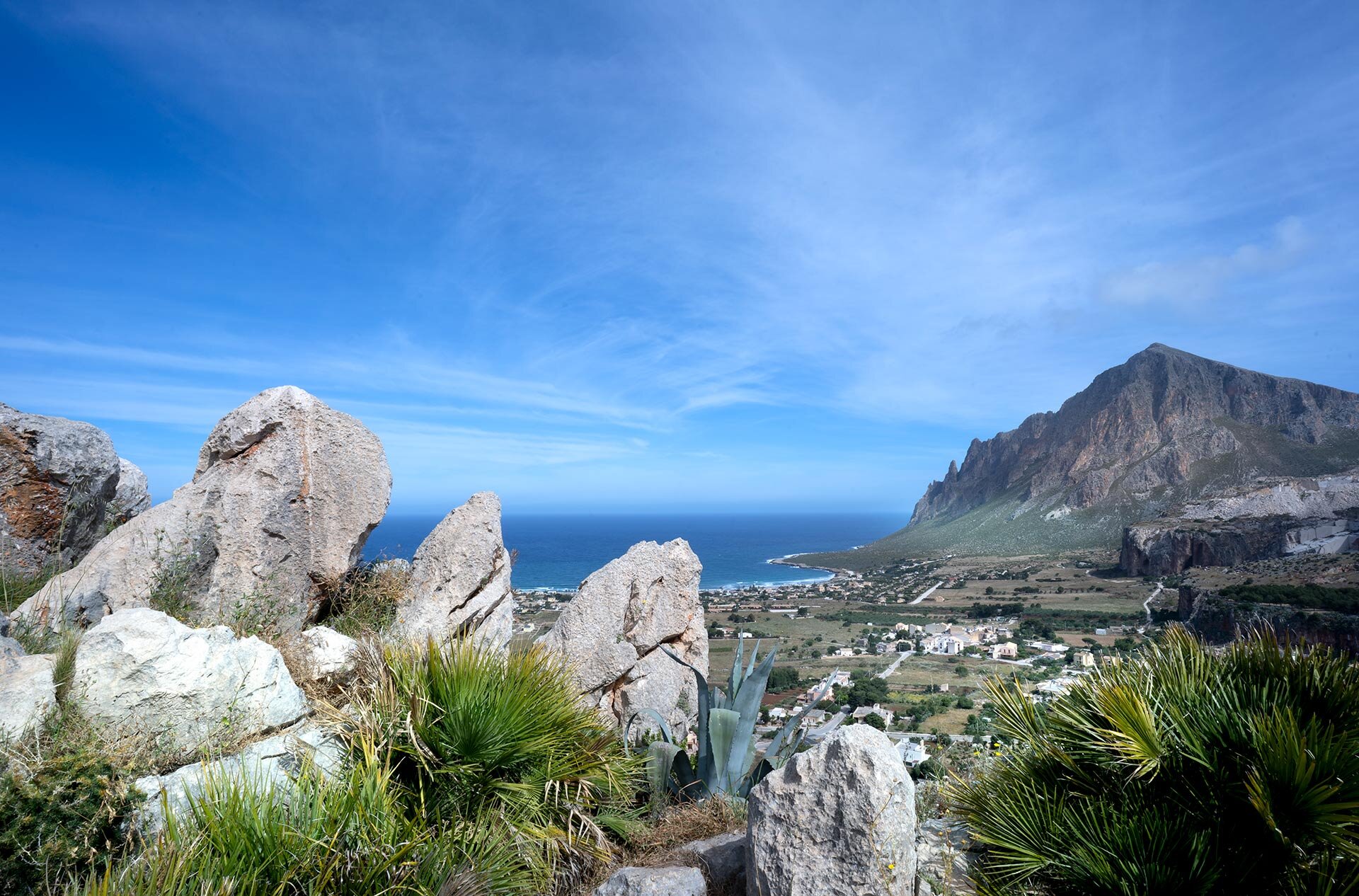
Belvedere Custonaci | © Archivio West of Sicily Belvedere Custonaci | © Archivio West of Sicily
Falesie a Custonaci | © Archivio West of Sicily Falesie a Custonaci | © Archivio West of Sicily
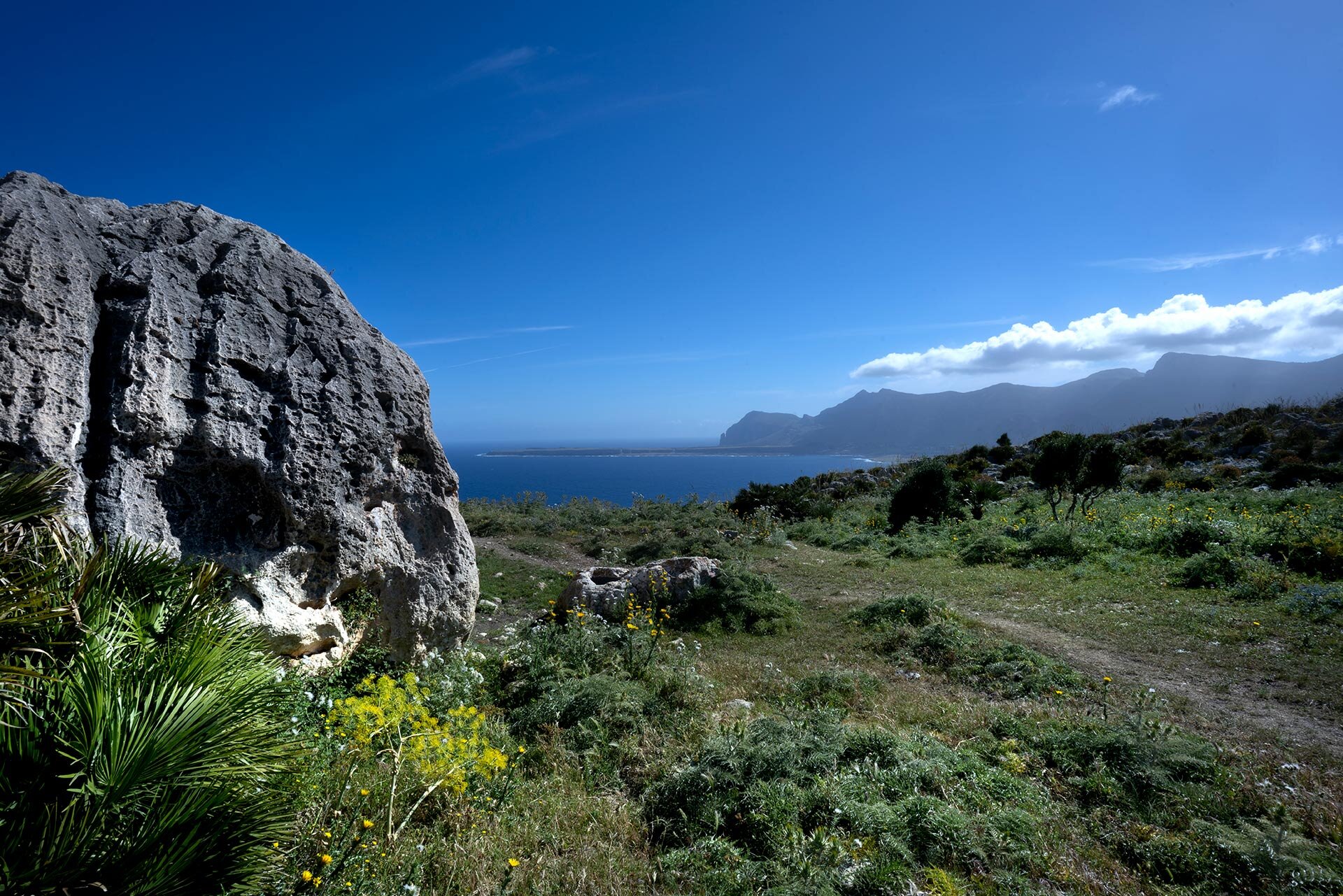
Riserva Monte Monaco | © West of Sicily Riserva Monte Monaco | © West of Sicily
Baia di Cornino | © Archivio West of Sicily Baia di Cornino | © Archivio West of Sicily
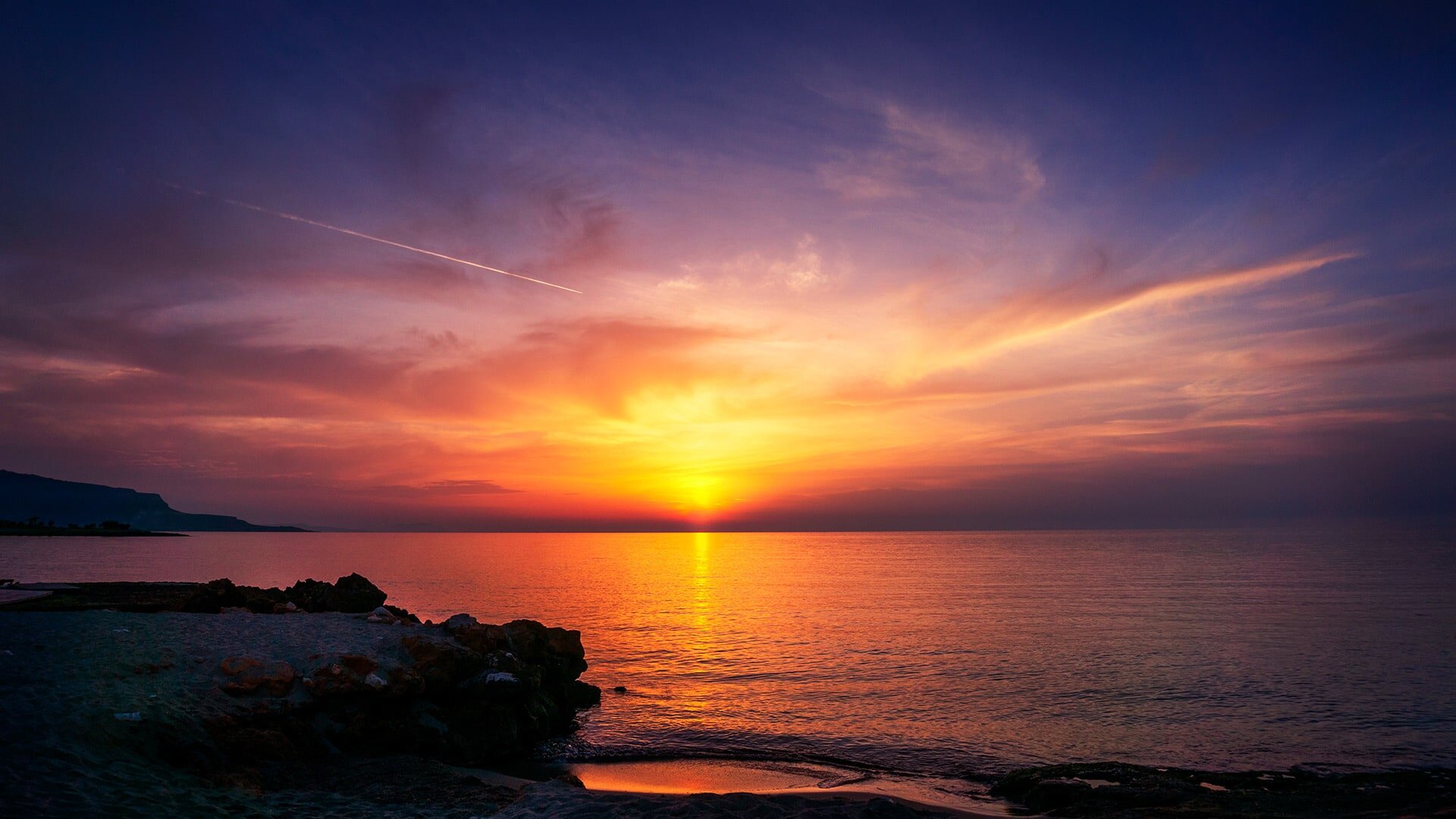
Tramonto a Custonaci | © Archivio West of Sicily Tramonto a Custonaci | © Archivio West of Sicily
Santuario di Custonaci | © Archivio di West of Sicily Santuario di Custonaci | © Archivio di West of Sicily

The Monte Cofano Nature Reserve

Monte Cofano (659 metres) is a limestone massif that plunges into the sea forming a spectacular promontory. The Nature Reserve that has protected it since 1997 offers one of the most beautiful coastal trails in Sicily: the Cofano loop (~6 km, an hour and a half) circles the mountain in a simple but beautiful path, with views over the Gulf of Bonagia, San Vito Lo Capo and the Egadi Islands. Mediterranean scrub scents of rosemary, dwarf palms and euphorbias; birds of prey nest in the upper part. Free entrance.


The beaches: Cornino, Santa Margherita, the Cofano coves

The coast of Custonaci offers different landscapes within a few kilometres.

Cornino Bay — recently entered in the National Register of Maritime Identities (REIMAR 2024) — is a small fishing village with a pebble and sand beach, clear water, authentic atmosphere. Santa Margherita Bay is sandier and better served, ideal for families. The steep coves of CofanoCala Bue Marino, Cala Buguto — can be reached only by a short walk and reward with crystal-clear waters and silence.


International city of marbles

Custonaci is officially the "International City of Marbles": its territory hosts the second marble basin in Europe, with about a hundred active quarries extracting the prized Perlato di Sicilia — marble with golden reflections used in Vatican monuments, in many luxury hotels and in international works. The Marble Museum, in the town centre, tells the evolution of extraction — from pickaxes to diamond wires — and the life of generations of quarrymen who built the economic identity of Custonaci.


When to visit

Spring — perfect for the Cofano loop: crystal-clear sea, mild temperatures, blooming scrub, few crowds.
Summer — beaches, snorkelling in the Cofano coves, Madonna feast at the end of August. Cornino remains quieter than San Vito.
Autumn — sea still warm, scenic trails perfect, autumnal setting of the sanctuary.
Winter — the time of the Living Nativity at the Mangiapane Cave (26 Dec - 6 Jan): a unique experience, worth putting on the calendar even just for one evening.

Frequently asked questions about Custonaci

How much time do I need for Custonaci?

For the Sanctuary, the Mangiapane Cave, a walk on Cofano and Cornino Bay you need at least a full day. Those who want to walk the complete Cofano loop and visit the Marble Museum, two days.

When is the Living Nativity at the Mangiapane Cave?

From December 26 to January 6. The Living Nativity of the Mangiapane Cave in Scurati has existed since 1983 and involves over 160 figures recreating scenes of nineteenth-century Sicilian rural life. Visits are guided, generally in the evening. Booking in advance is recommended.

How do I get to Custonaci?

From Palermo or Trapani take the A29 to the Castellammare del Golfo or Trapani exit, then provincial roads. From Trapani Birgi airport about 40 minutes; from San Vito Lo Capo about 25 minutes. There is no train station in the centre.

Can I visit the Monte Cofano Reserve?

Yes, entrance is free. The Cofano loop — about 6 km, modest elevation gain, one and a half hours — is within everyone's reach and offers spectacular views. Bring water, hiking shoes, hat (little shade).

What is Perlato di Sicilia?

It is the prized marble extracted from the Custonaci quarries — white with pearly reflections, in warm tones. Used in Vatican monuments, luxury hotels, public buildings in many countries. The Custonaci territory is the second marble basin in Europe.

When is the Madonna of Custonaci feast?

The last Sunday of August, with a procession of the Madonna statue through the town streets. It is one of the most heartfelt Marian feasts in western Sicily, with thousands of faithful also from neighbouring towns.


Discover more

For institutional information, Living Nativity schedule, Sanctuary hours and visitor services, please refer to the official website of the Municipality of Custonaci.

Related content

Between Mount Bonifato and the sea, a mosaic of golden stone, vineyards and far horizons

Alcamo

A town that tells its story from the heights of its mountain and mirrors itself in the Gulf of Castellammare. Medieval castles, baroque churches and the bright fragrance of its most celebrated wine await those who choose to explore it slowly.

Buseto Palizzolo

A walk inside the scents and colors of a city garden.

Calatafimi Segesta

A Journey Through Time in the Heart of Sicily

Campobello Di Mazara

The dense foliage of centuries-old olive trees characterises the landscape of this town

The Arab-Norman port town overlooking the gulf, between the fortress by the sea, the sea stacks of Scopello and the Zingaro Reserve

Castellamare Del Golfo

A castle that has guarded the port since the Middle Ages, an old town climbing up from the sea in steps, the sea stacks of Scopello and the gateway to the Zingaro Reserve. Castellammare del Golfo is the fishing town where western Sicily, Mediterranean history and nature meet in a single view.

Castelluzzo

Small jewel that constitutes the wildest side of San Vito Lo Capo.

Castelvetrano

Pure uncontaminated nature

The medieval town suspended at 751 metres, between the temple of Venus and the cobblestone alleys overlooking the Mediterranean

Erice

A Norman castle built on the ruins of the temple of Venus Erycina, a medieval town of stone alleys vanishing into the mist, the view from the Balio Gardens all the way to the Egadi Islands. Erice is western Sicily seen from 751 metres up, where every century has left a tower.

Favignana

The largest of the Egadi islands

The town destroyed by the earthquake and reborn as an open-air contemporary art museum, between Burri's Cretto and the works of the great masters of the twentieth century

Gibellina

A town razed to the ground by the Belice earthquake and rebuilt as a single, immense work of art: the Stella di Consagra that serves as its gateway, the great white sphere of the Chiesa Madre, and a few kilometres away the Cretto di Burri, the concrete shroud enveloping the ruins of the old town. Gibellina, Italian Capital of Contemporary Art 2026.

Egadi

Favignana, Marettimo, Levanzo: the islands of treasures

Levanzo

Small and wild

Macari

Macari, along with Castelluzzo, is a fraction of San Vito Lo Capo.

Marettimo

Uncontaminated nature

Marsala

Wine, baroque art and windmills

The town where Sicily turns into Africa, among the Arab alleys of the Kasbah, the Dancing Satyr brought back from the sea and the largest fishing fleet in Italy

Mazara del Vallo

A maze of Islamic-flavoured alleys where Arabic still echoes, a Greek bronze fished up from the deep that dances alone in a museum, a Baroque cathedral grown over a mosque, and four hundred trawlers bringing home the famous red prawn every day. Mazara del Vallo is the point where Europe touches Africa.

Sicily's youngest municipality, a mosaic of hamlets among the salt pans, the golden beaches of Marausa and the sea-scented countryside south of Trapani

Misiliscemi

Born in 2021 from the union of eight ancient hamlets, Misiliscemi is not a town but a territory: the long beach of Marausa facing the Stagnone lagoon, the salt pans of Salinagrande, the farming districts with Arabic names and the airport that is the gateway to western Sicily. Authentic Sicily, the kind you live rather than visit.

Paceco

Windmills, salt flats, pink flamingos. It sounds like a movie, but it's all true

Pantelleria

The black pearl of the Mediterranean

Partanna

The medieval village surrounded by nature

Petrosino

Nestled and looking towards a transparent sea

Poggioreale

"The ruins that mark a people"

Zingaro Nature Riserve

The first nature reserve established in Sicily is an untouched paradise of cliffs plunging into the sea

Salaparuta

The sign of a violent earthquake.

The first capital of Italy for a single day, one of the most beautiful villages in Italy suspended over the hills of the Belice, between Garibaldi's castle, the ruins of the Mother Church an

Salemi

A Norman-Swabian castle where Garibaldi was the first to raise the Italian tricolour, making Salemi the first capital of Italy; a Mother Church reduced to an open-air stage set by the Belice earthquake and reinvented by Álvaro Siza; the Arab and Jewish alleys of the old town and the votive breads of San Giuseppe. Salemi is the Sicily of history and of bread.

A golden ribbon of sand between Monte Monaco and the Zingaro Reserve, where Sicily meets its most transparent sea

San Vito Lo Capo

Sicily's most photographed beach, a sanctuary-fortress that has watched over the village since the sixteenth century and one of the most enchanting nature reserves in the Mediterranean. San Vito Lo Capo is discovered slowly, barefoot between the white of the houses and the turquoise of the sea.

Santa Ninfa

A unique nature reserve

The sickle-shaped city stretching out between two seas, among salt pans dotted with windmills, the Misteri of Good Friday and the harbour from which you set sail for the Egadi

Trapani

A strip of land squeezed between two seas, salt pans that turn to gold and pink at sunset, windmills that grind PGI salt, the longest Misteri procession in Italy and the harbour from which hydrofoils depart for Favignana. Trapani is the beguiling, salt-tinged capital of western Sicily.

Valderice

A dip in the blue sea, a ride in the hills, 4 steps in history: the traveler's triathlon.

Vita

In the green lung of western Sicily: the Baronia forest.

We anticipate your questions

Plan your holidays

We designed this site to help you plan the perfect holiday.
Find all the information you need in one place. 
Have questions? Contact us directly for assistance.

Thank you

We’ve sent you an email. To activate the newsletter, click on the link you will find in the message. Thank you!

Something went wrong

Try again

Mistake