locality

Mazara del Vallo

Mazara del Vallo Mazara del Vallo

There are towns you pass through and towns you breathe in. Mazara del Vallo belongs to the second kind: you feel it before you even see it, in the smell of salt and mint, in the sound of a language that is no longer only Italian, in the white alleys where hanging laundry filters the light as in a North African medina. Because Mazara, when it comes down to it, is already Africa — less than two hundred kilometres separate it from the Tunisian coast, and here the sea does not divide: it unites.

It was a Phoenician trading post, then for more than two centuries the Arab capital of the Val di Mazara, one of the three great districts into which the Muslims divided Sicily. The Normans conquered it in 1072 and founded the diocese there, but they did not erase the earlier soul: they layered over it. Today Mazara is all of this at once — the Arab Kasbah and the Baroque cathedral, the Greek Dancing Satyr and the largest fishing fleet in Italy, the muezzins and the bells. A frontier town that has made the frontier its wealth.

"In Mazara the Mediterranean is not a border but a square: Europe and Africa look onto it, and they speak to each other."
— The soul of the town

The Kasbah: the last medina in Sicily

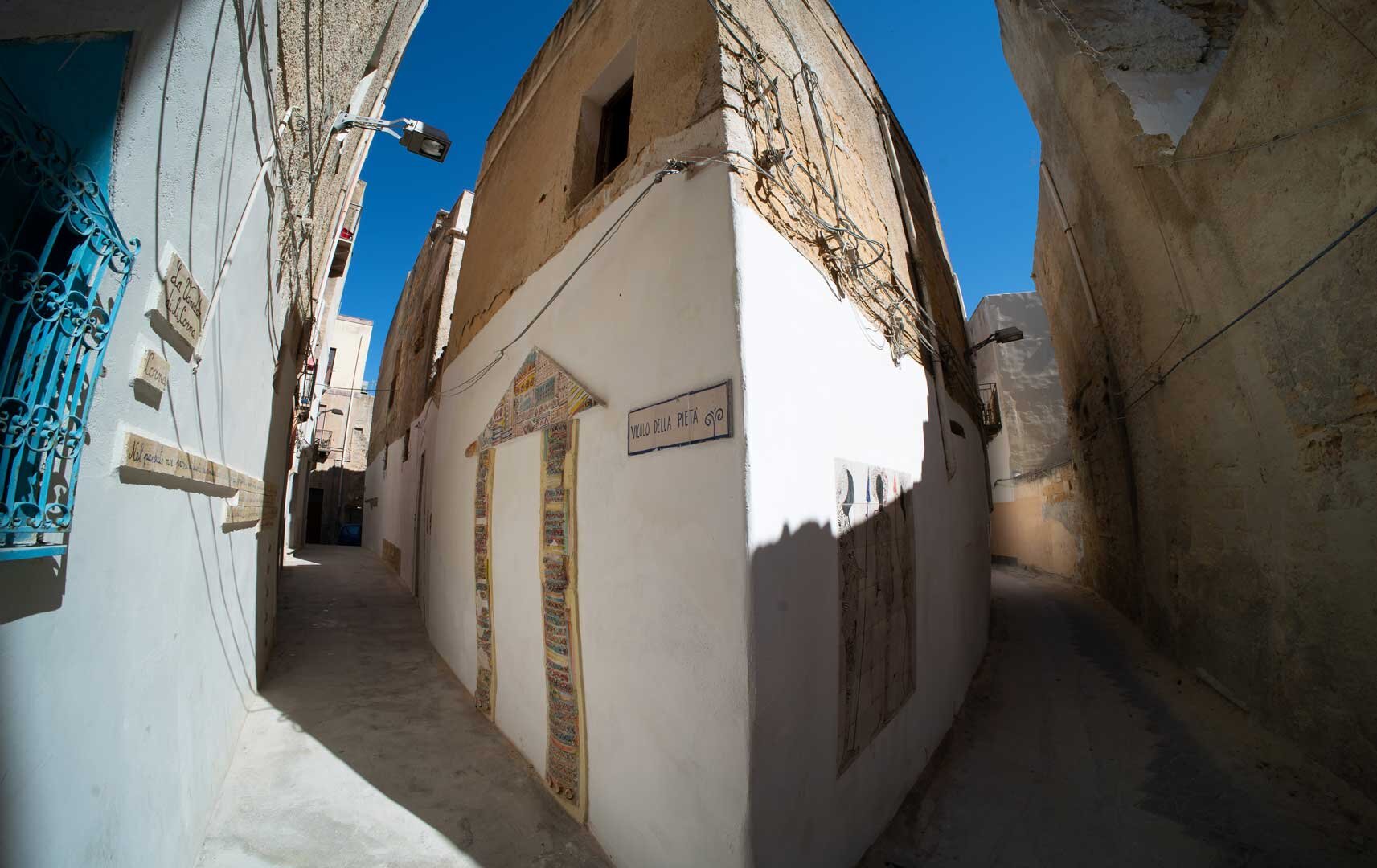
In the heart of the old town opens the Kasbah, Mazara's Arab quarter — the only true surviving medina on the island. It is a tangle of narrow, winding alleys, laid out a thousand years ago to baffle the wind and the sun, where the white houses almost touch overhead and every corner hides a courtyard, a fountain, a workshop. In recent decades the Kasbah has come back to life: this is where much of the town's Tunisian community lives, and the walls have filled with colourful murals and ceramics that tell the story of the meeting between the two shores. You wander without a destination, amid the scent of bread and spices, and at a certain point you forget you are in Italy.


The Dancing Satyr: the bronze back from the sea

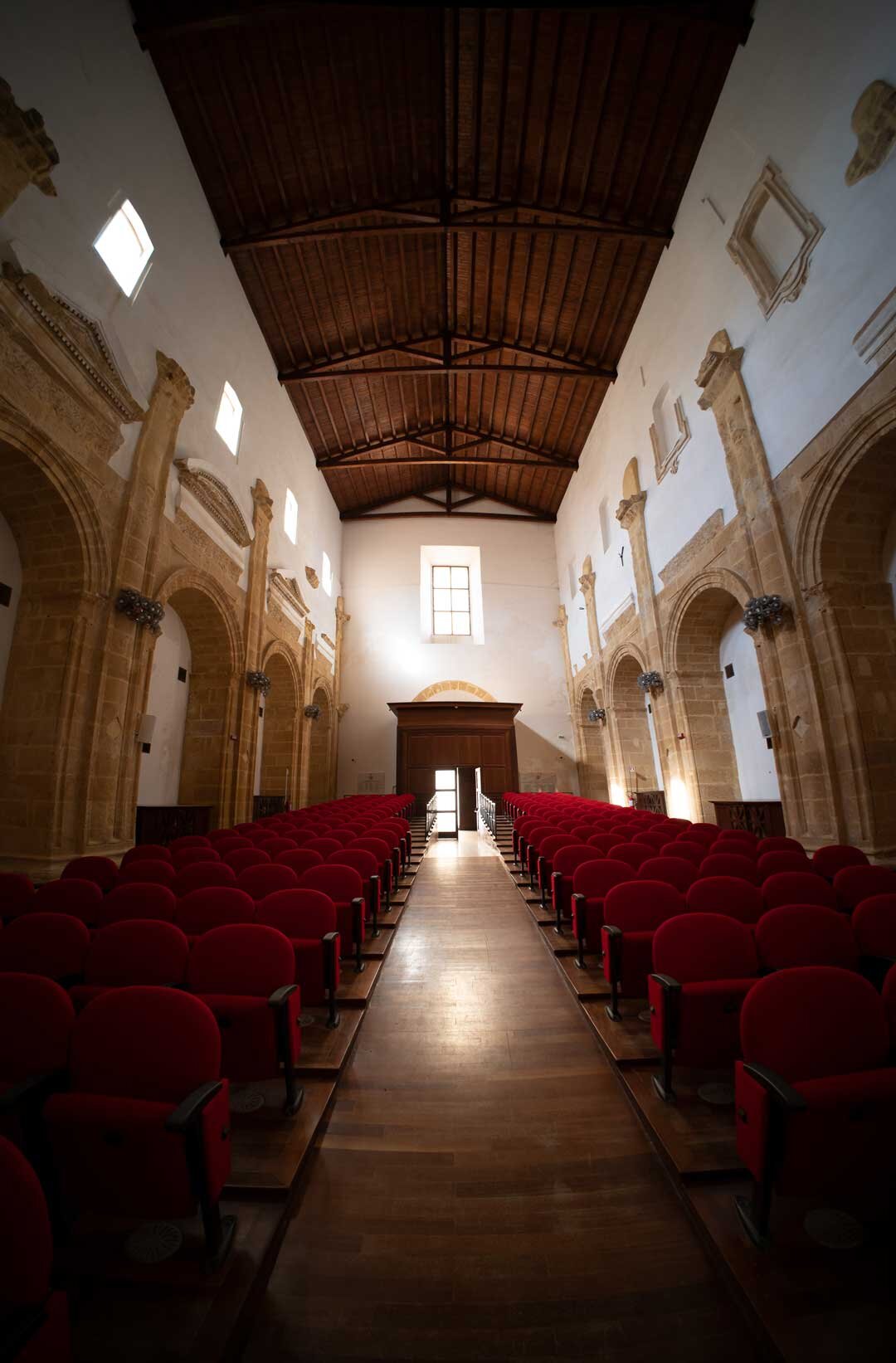
In 1998 the net of a Mazara trawler, the Capitan Ciccio, came up from the depths of the Strait of Sicily with something impossible: a bronze leg, and then an entire body. It was the Dancing Satyr, a masterpiece of Greek sculpture — probably from the circle of Praxiteles, 4th century BC — buried in the mud of the sea for over two thousand years. Restored and brought home, today it dances alone, floodlit, at the centre of the Satyr Museum, set up in the deconsecrated church of Sant'Egidio (1424). Caught in the instant of an ecstatic pirouette, head thrown back and hair in the wind, it is one of the few Greek bronze statues to have reached us — and the absolute symbol of Mazara.

Museum of the Dancing Satyr — in the church of Sant'Egidio, it guards the Greek bronze fished up in 1998.
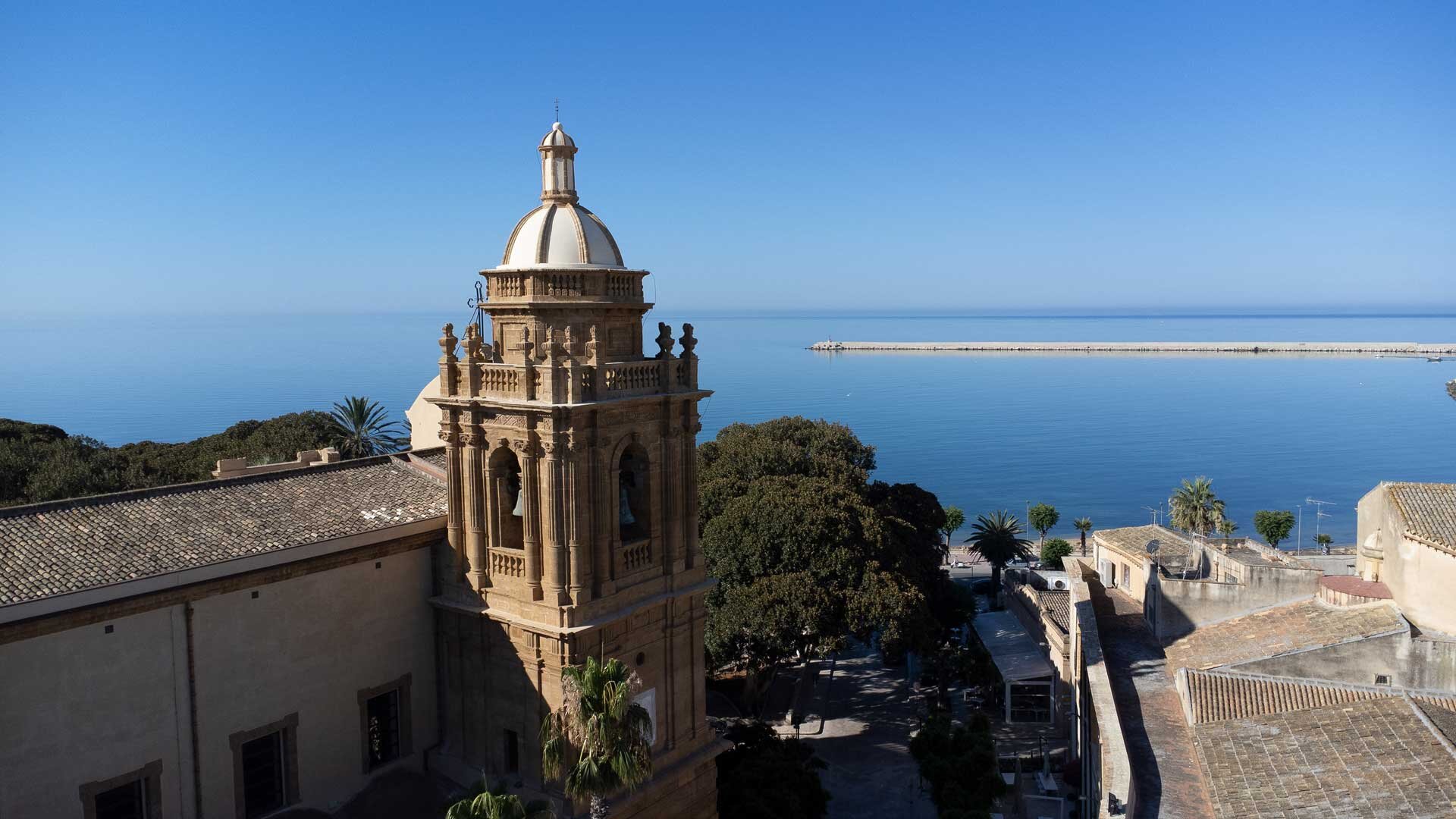
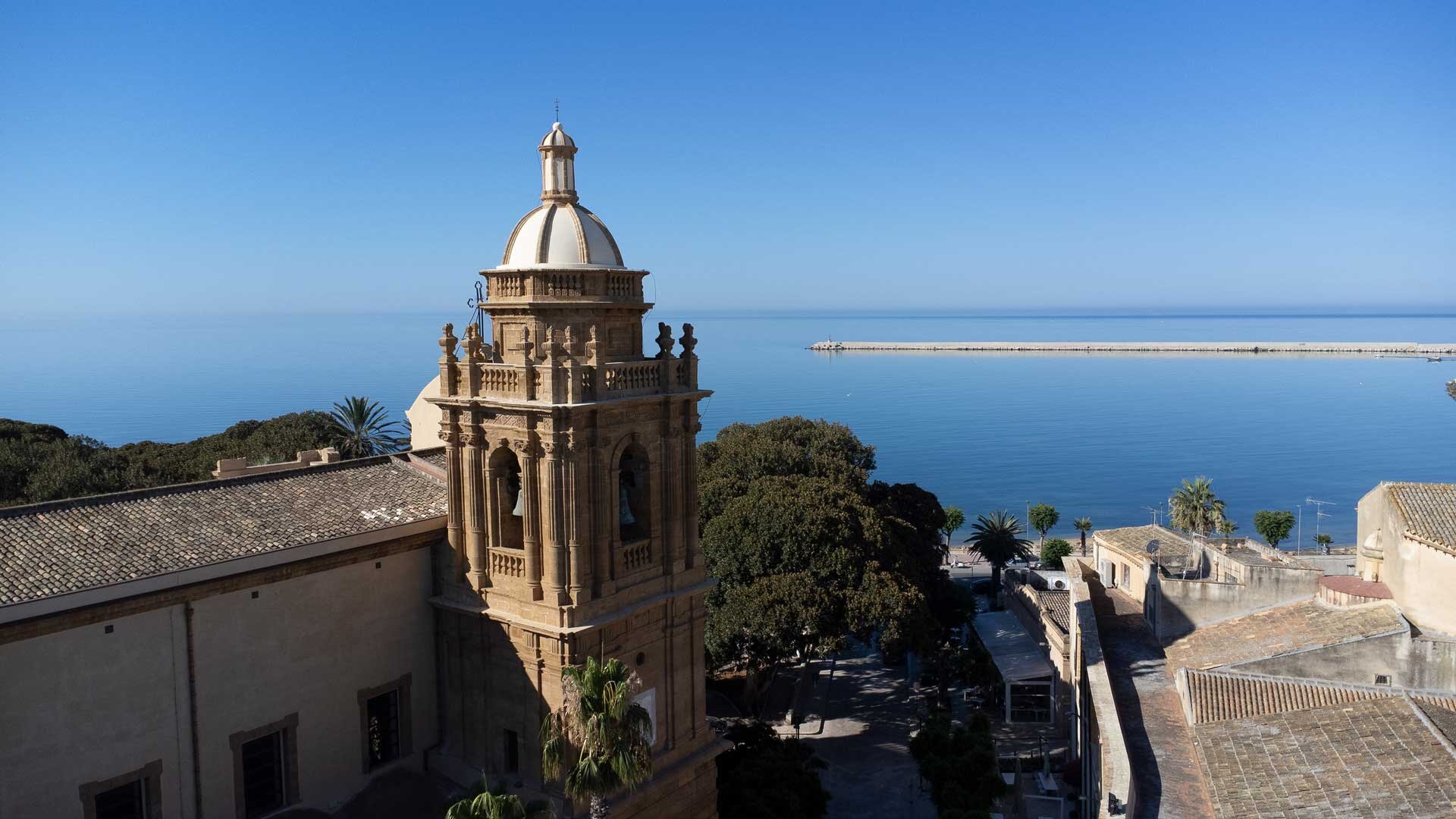
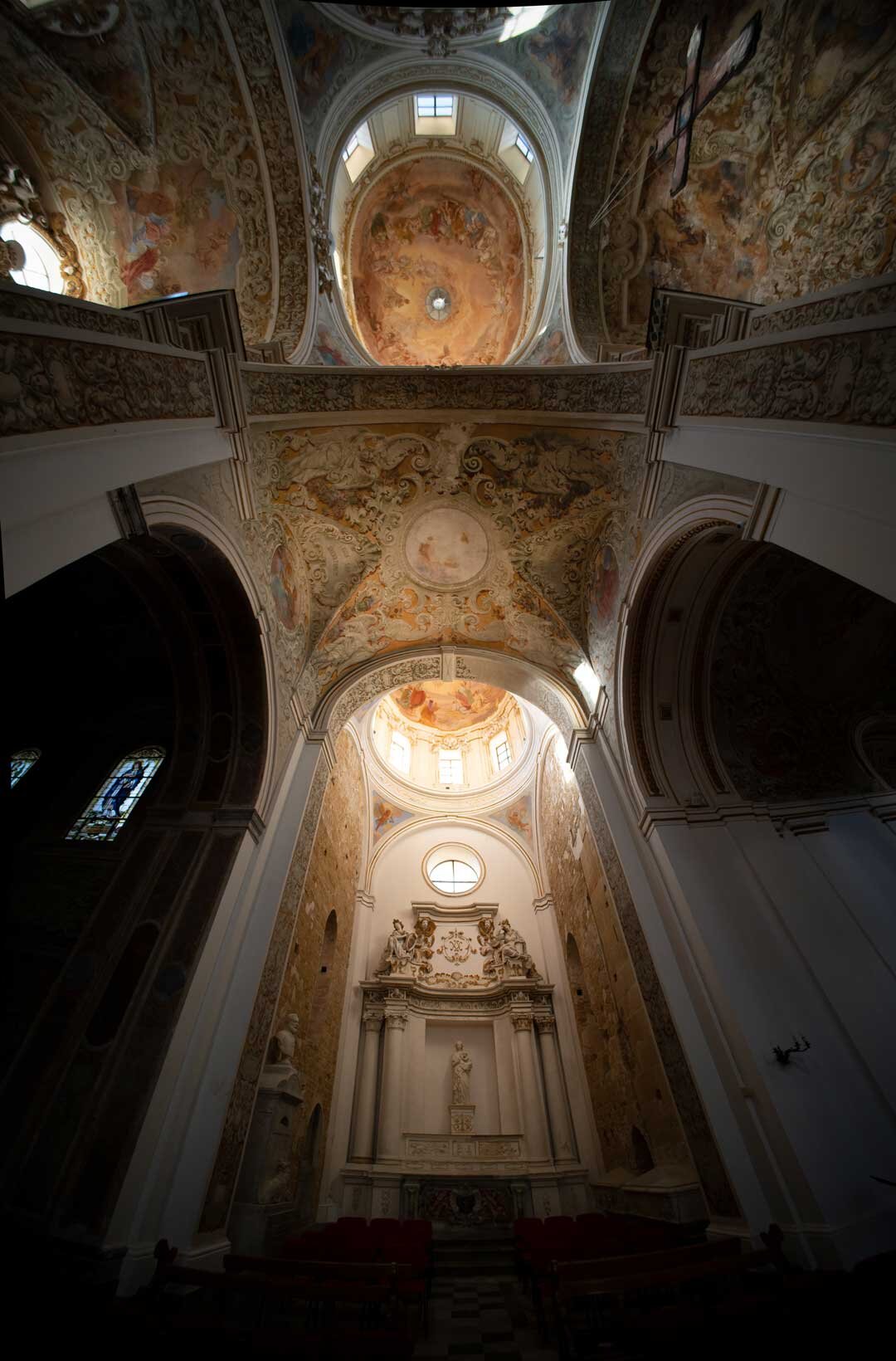
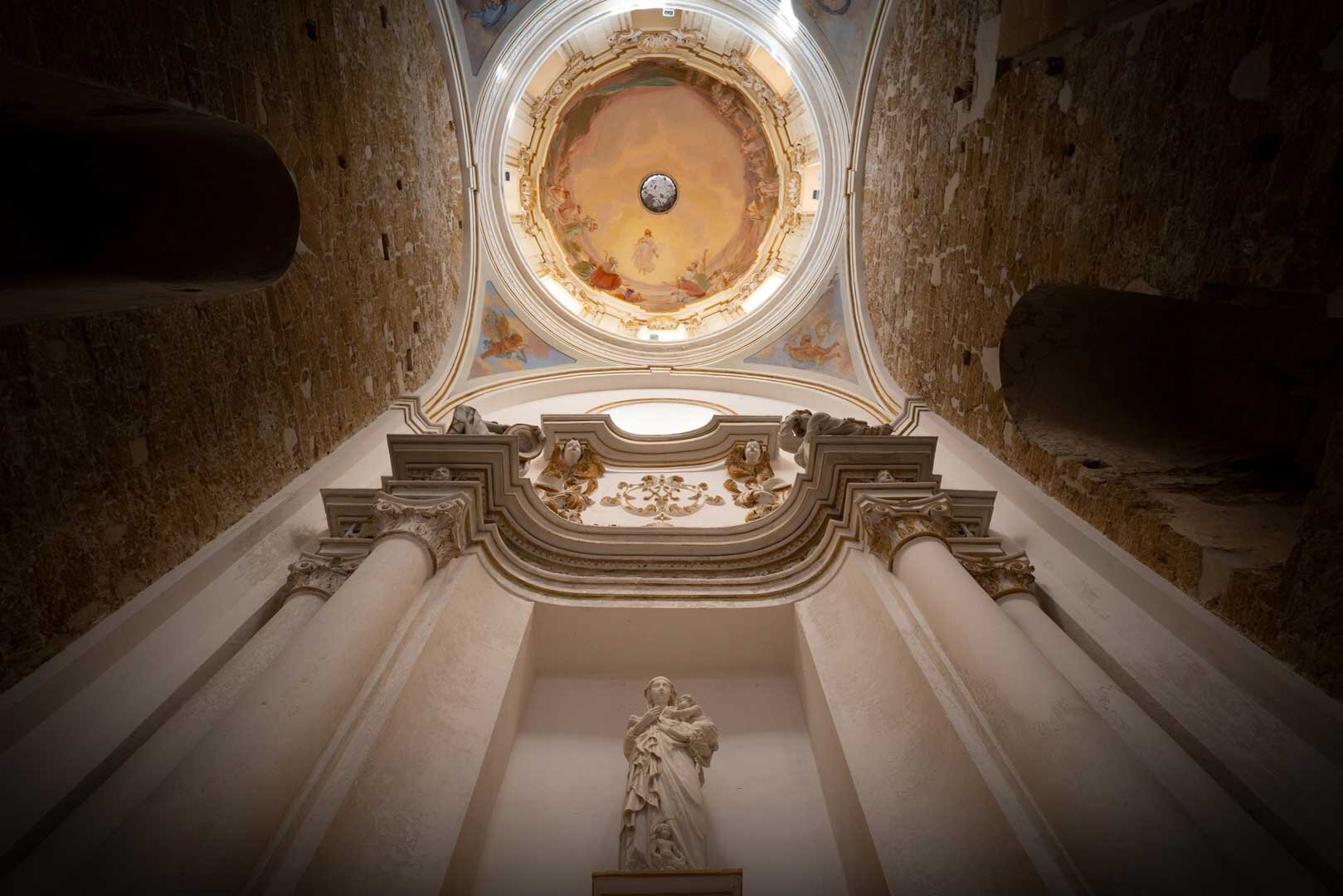
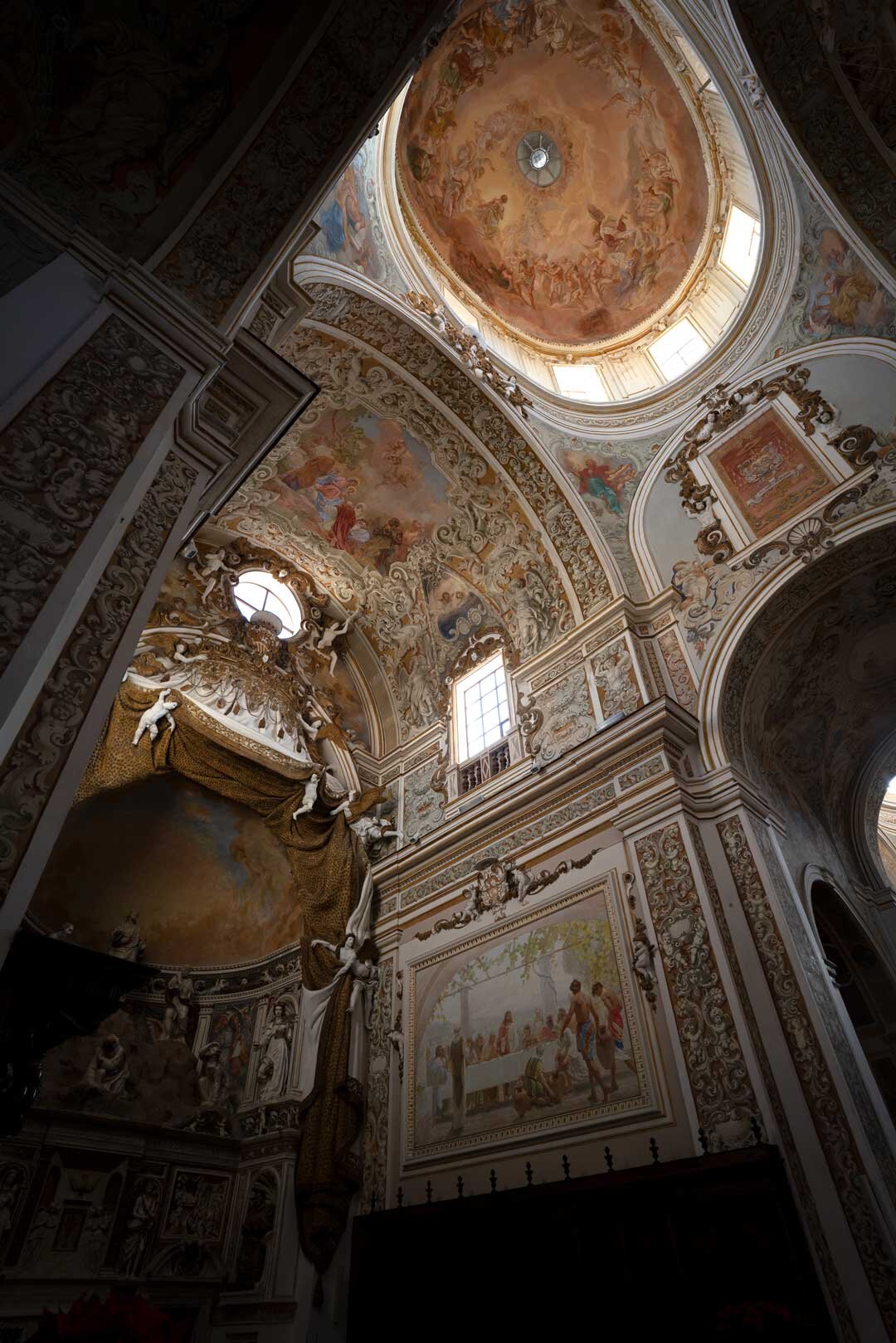
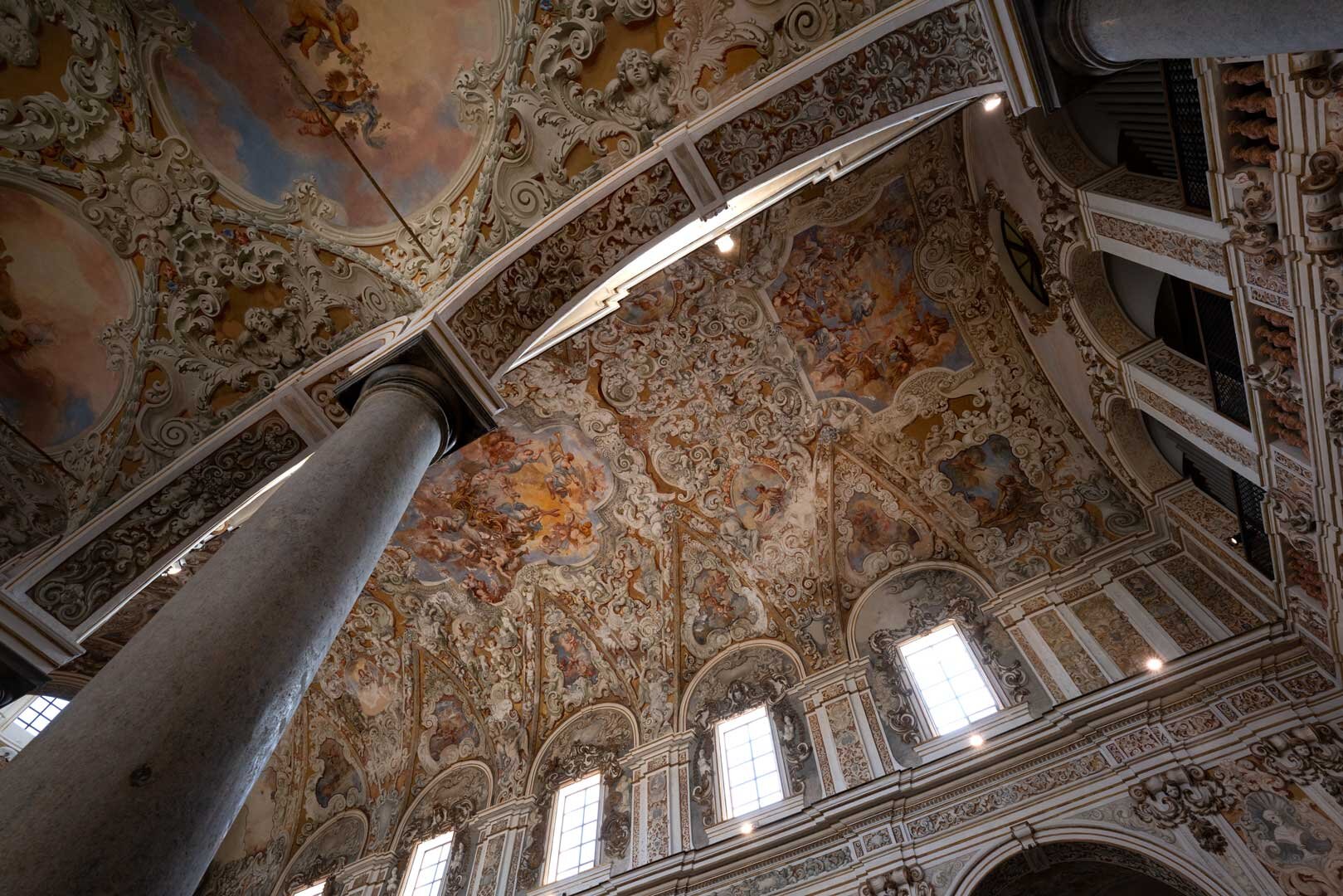
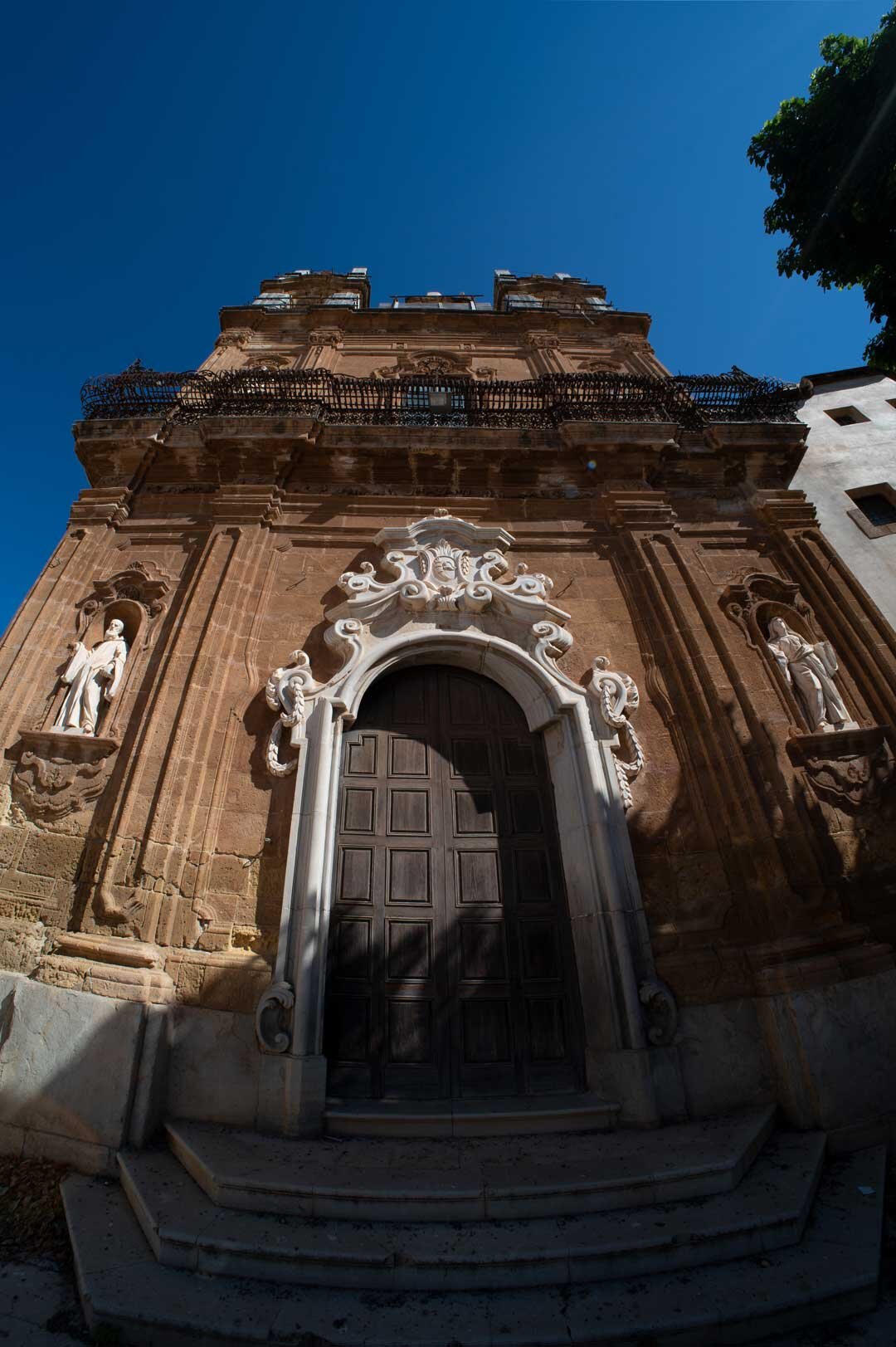
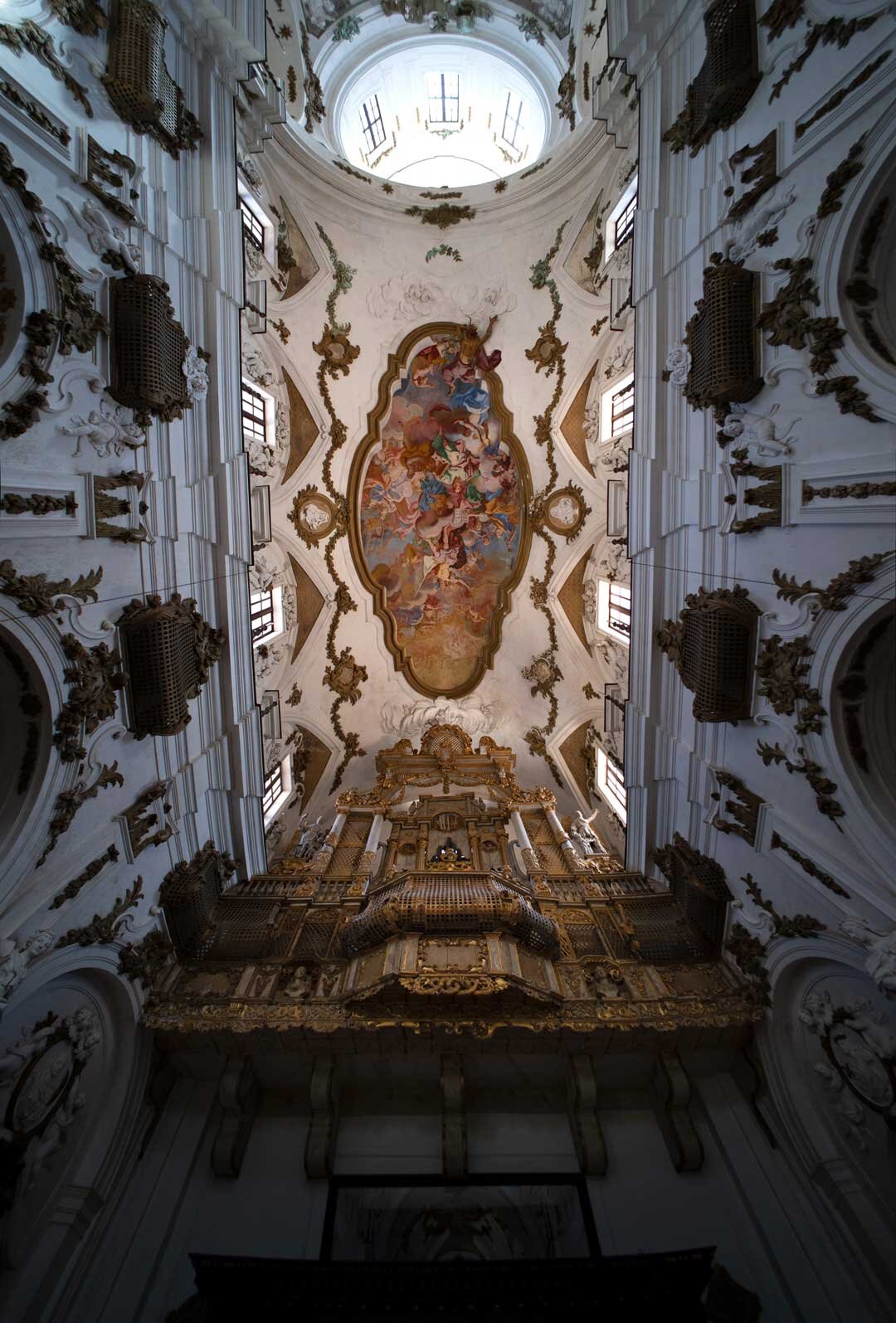
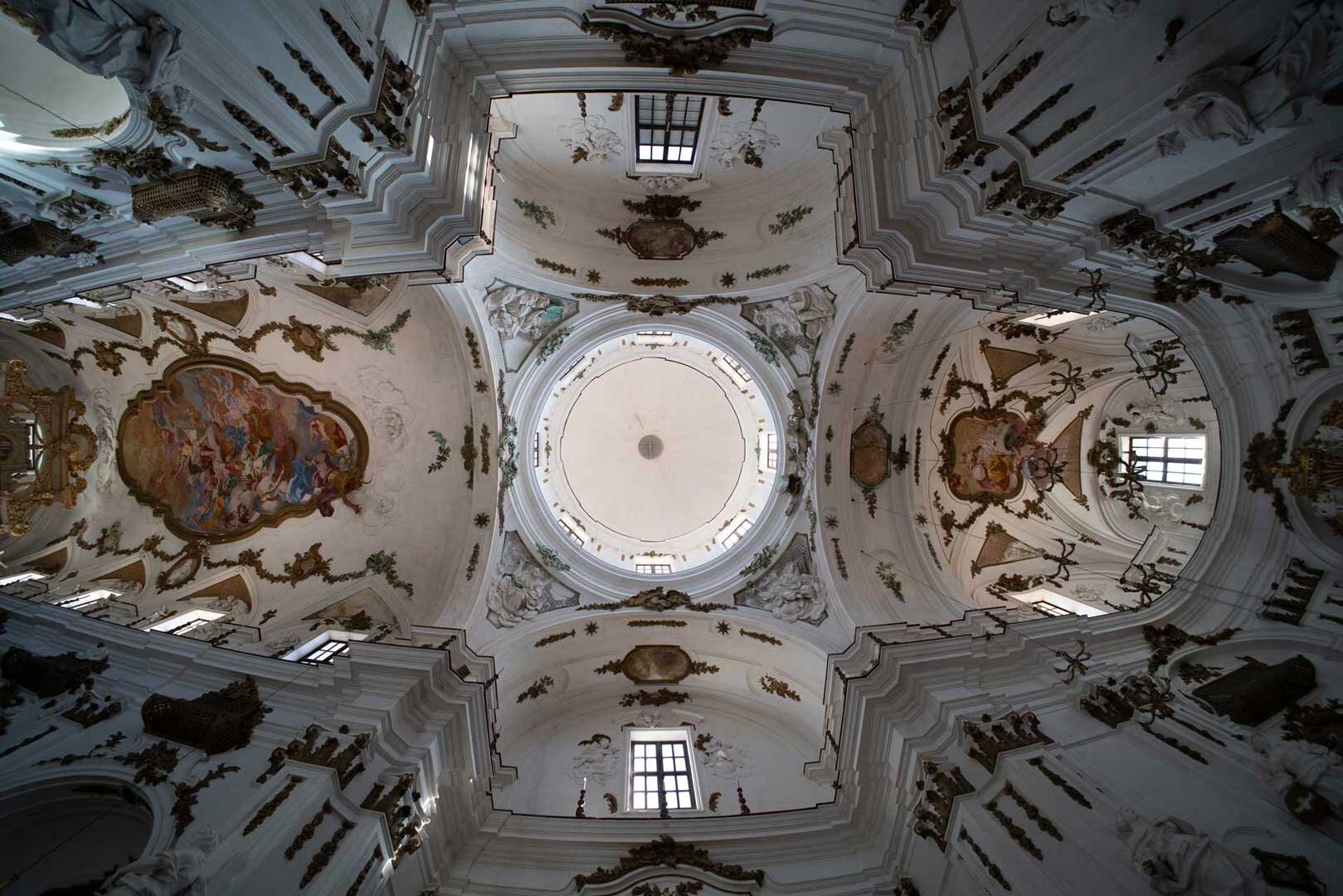
Cathedral of the Most Holy Saviour — Baroque, with the Transfiguration group by Antonello Gagini.
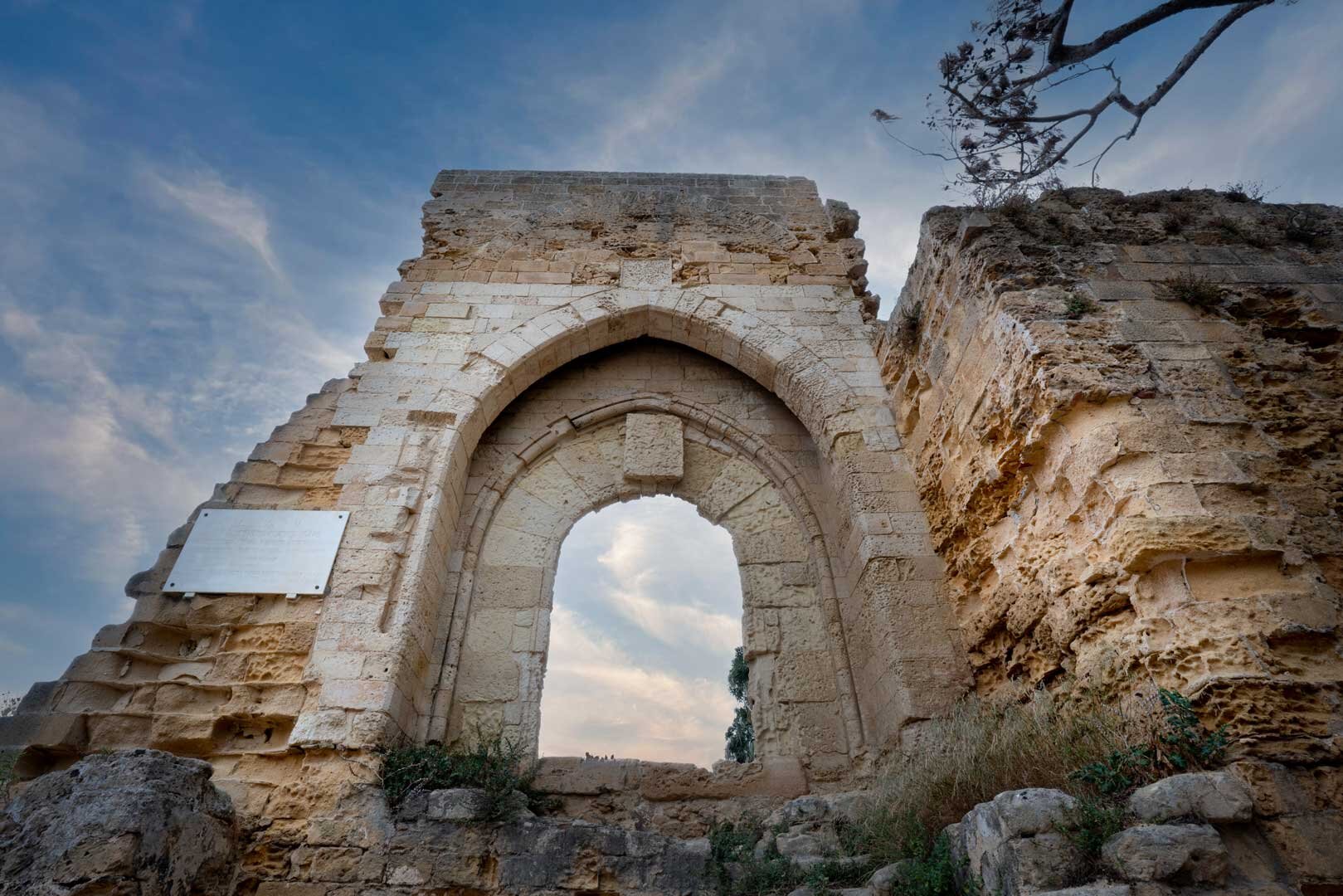
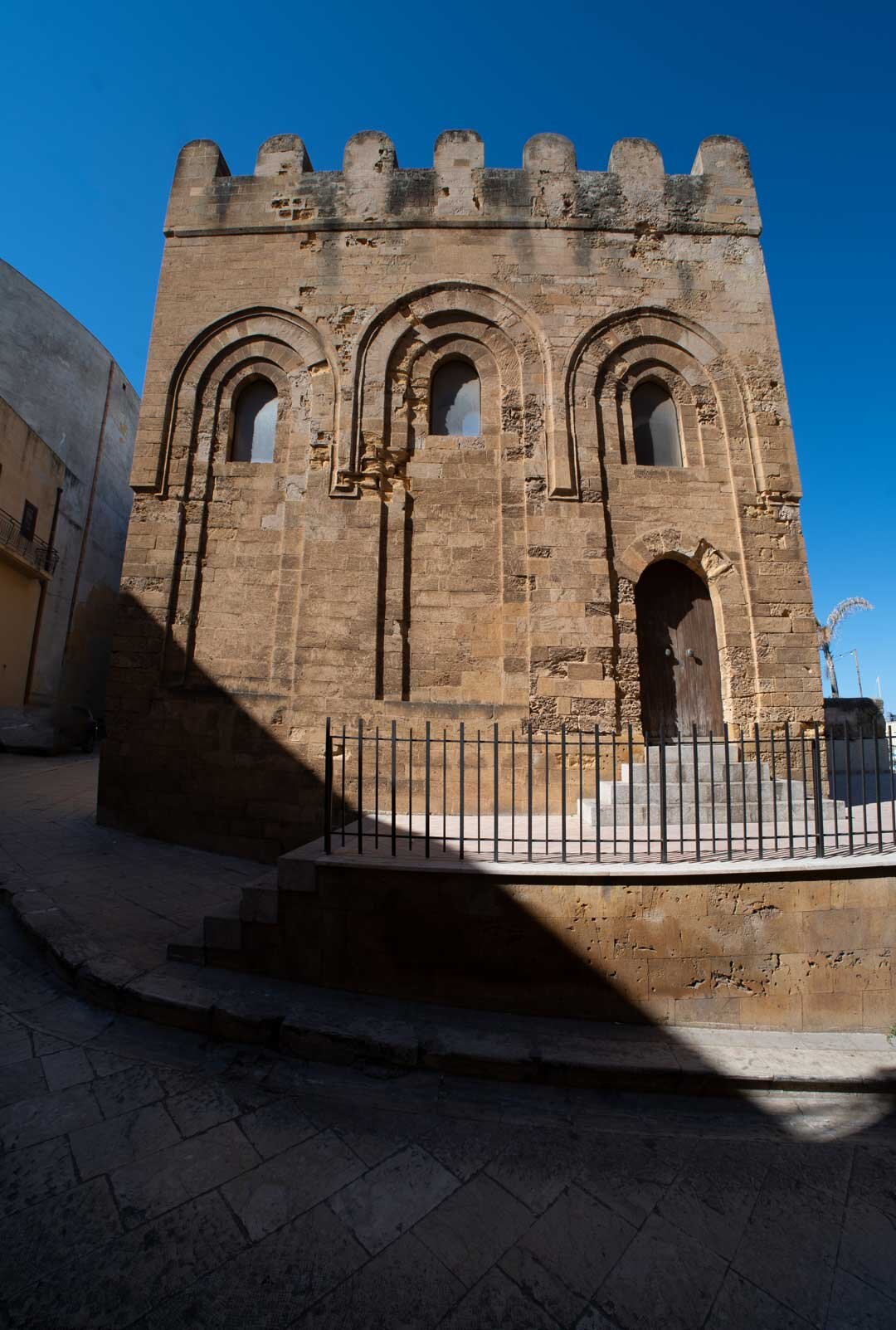
Norman Arch — in Piazza Mokarta, a remnant of the castle of Count Roger.
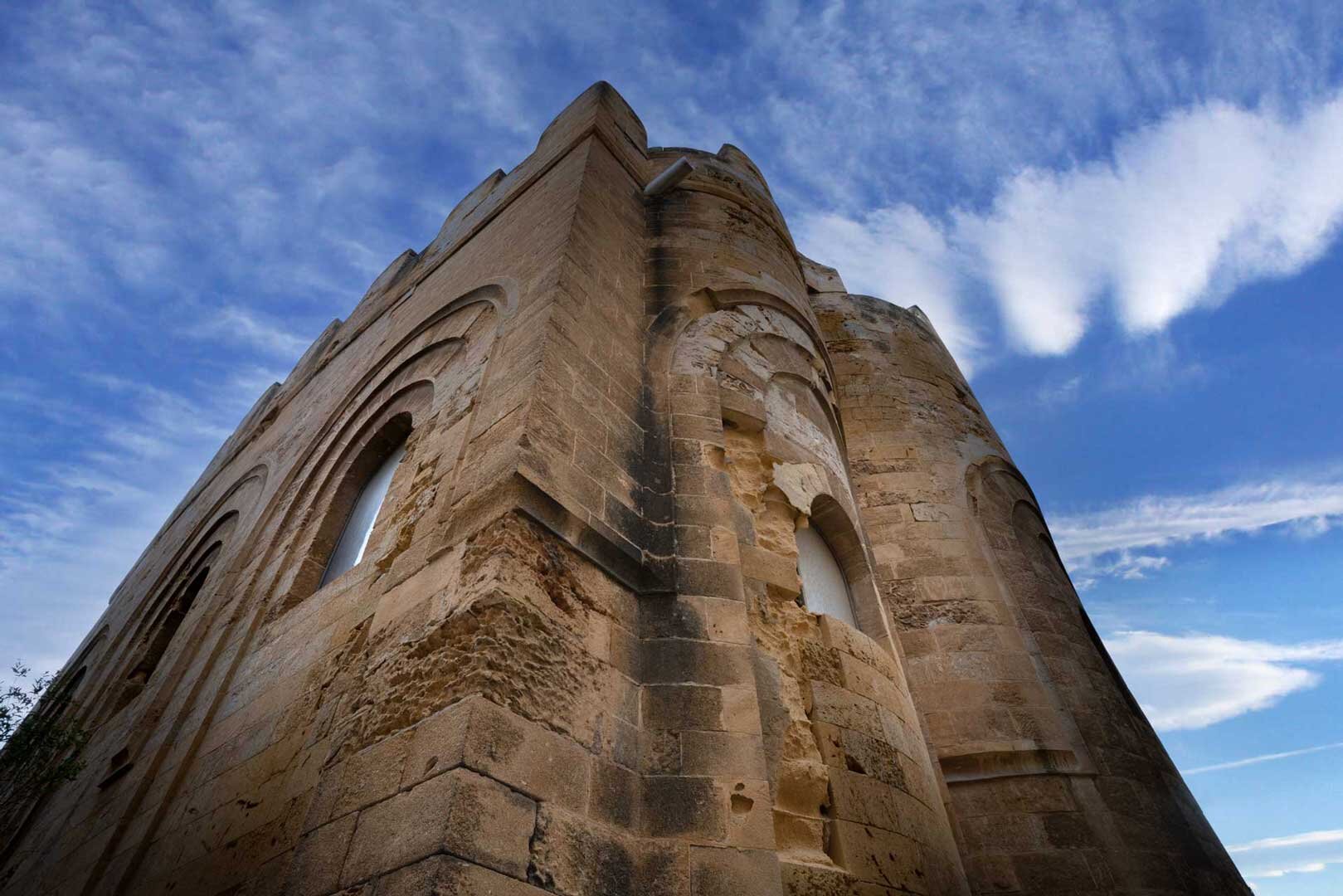
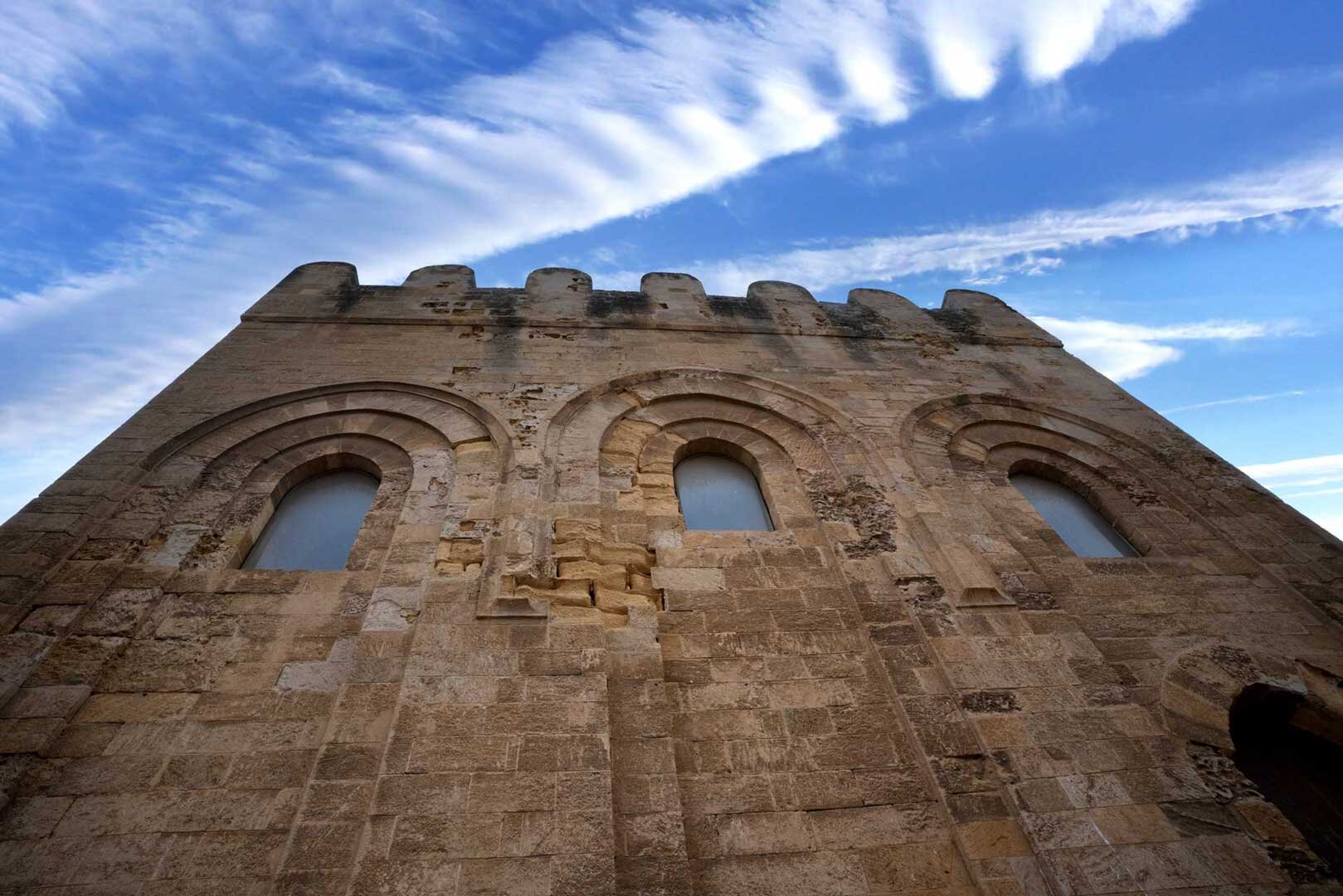
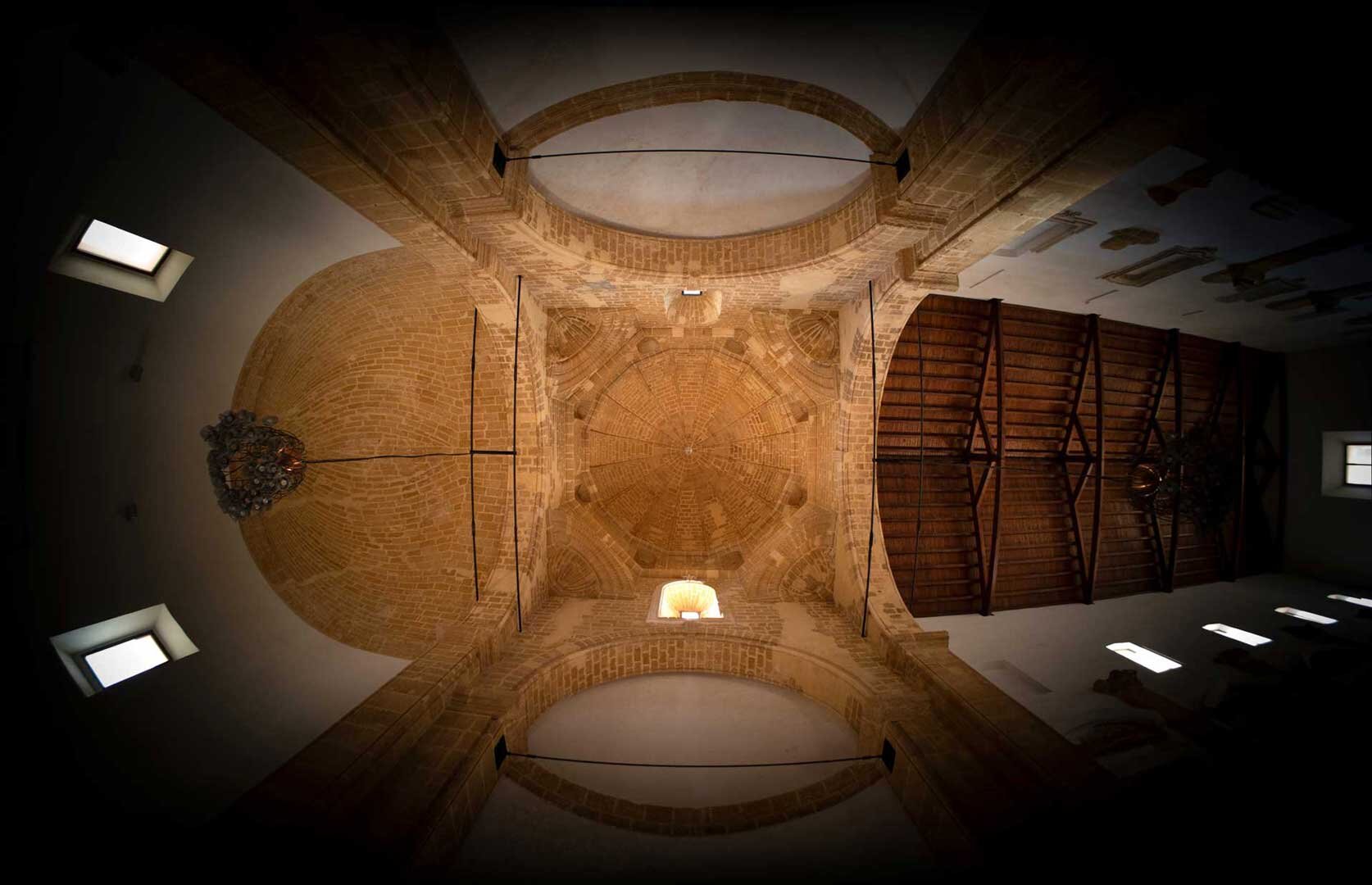
Church of San Nicolò Regale — an Arab-Norman jewel of 1124, with red domes.

Mazara del Vallo Mazara del Vallo

The cathedral and the Baroque square

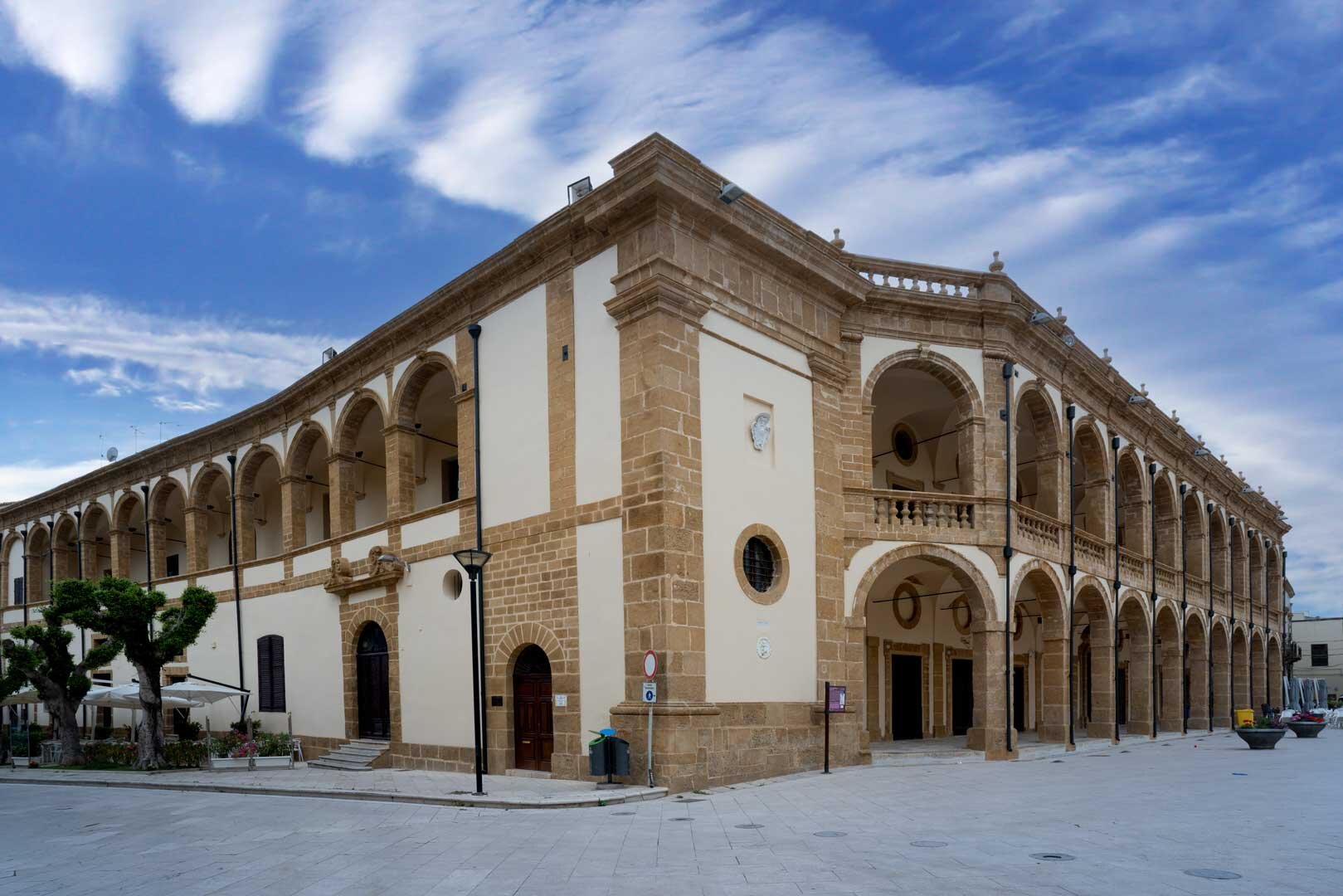
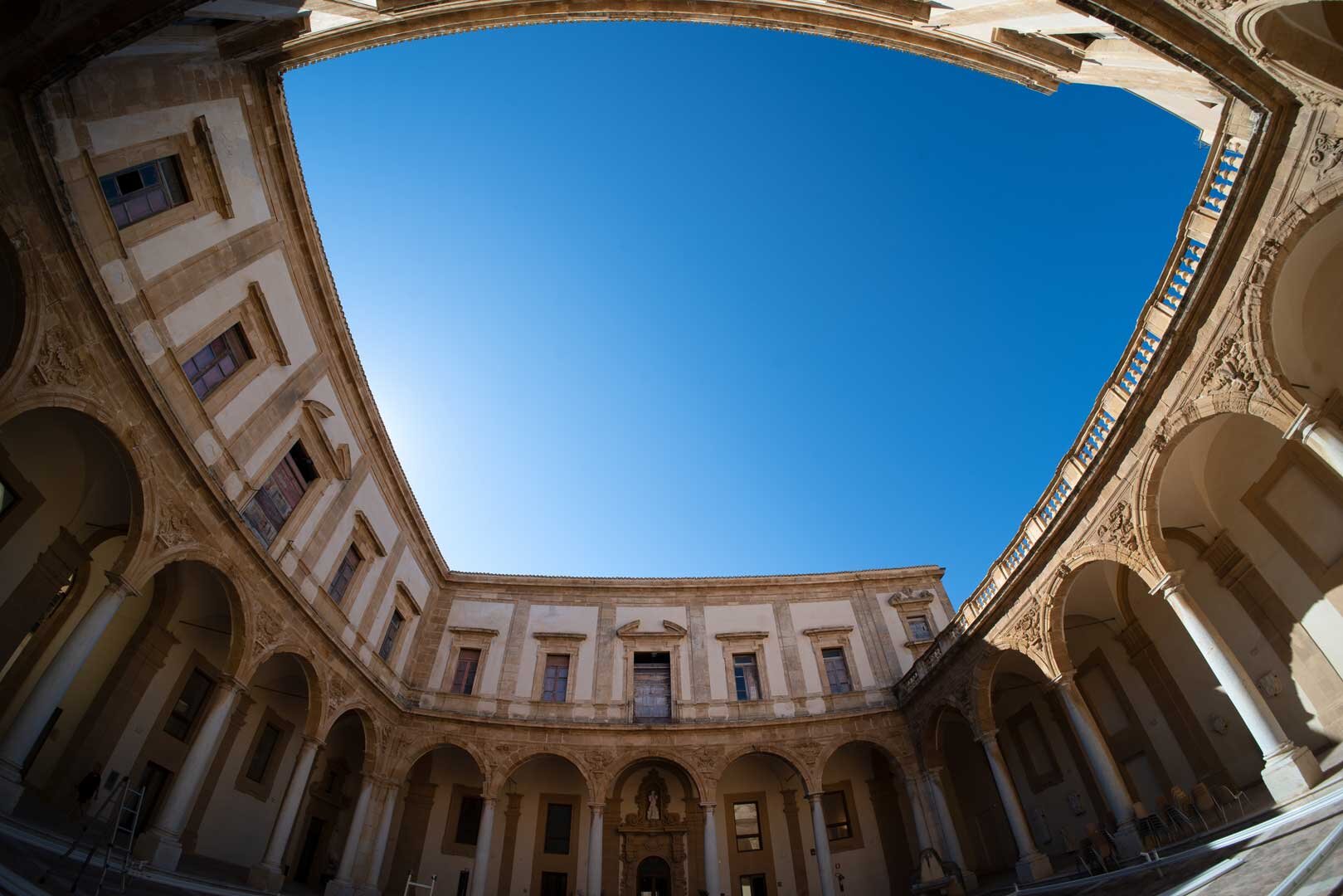
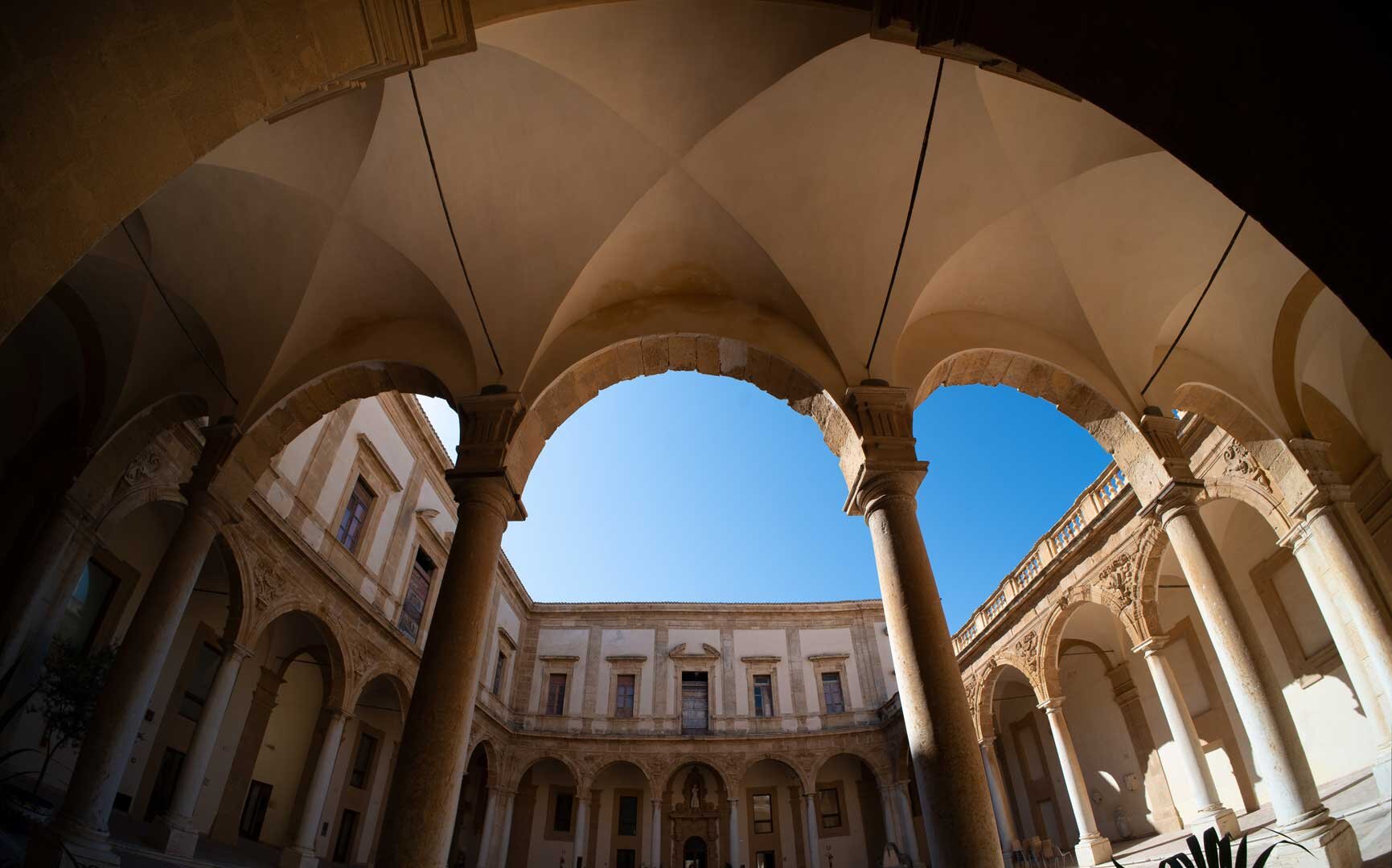
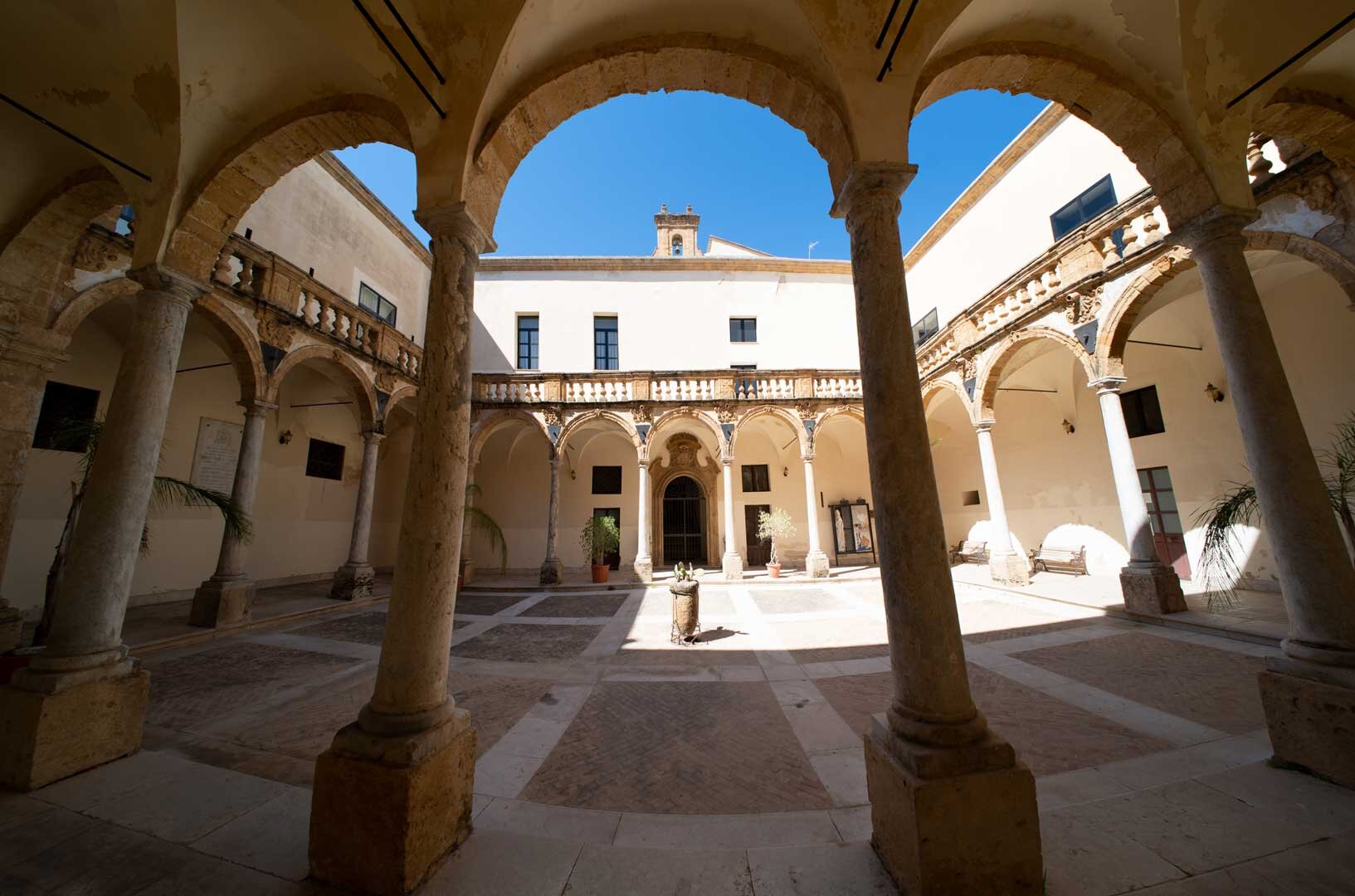
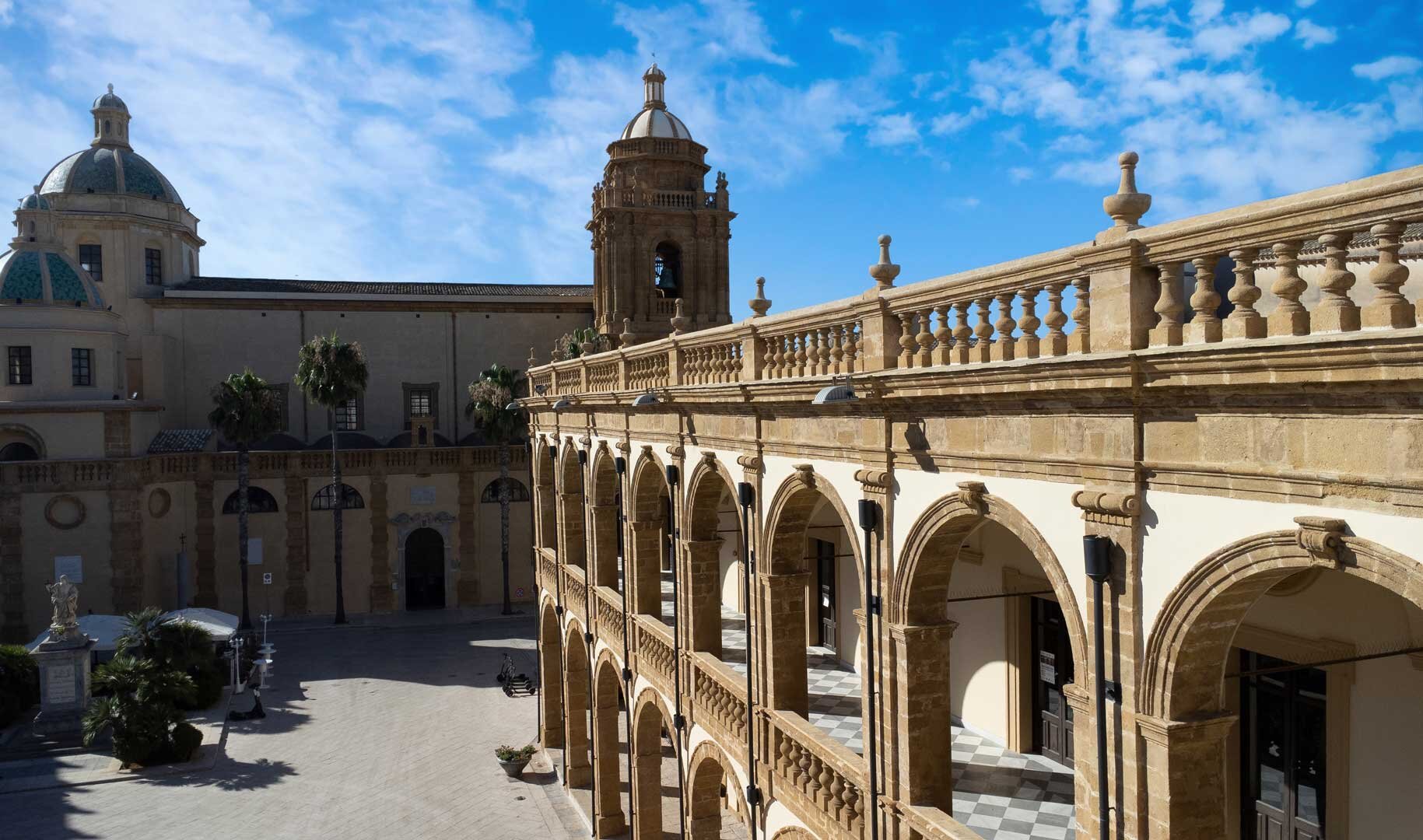
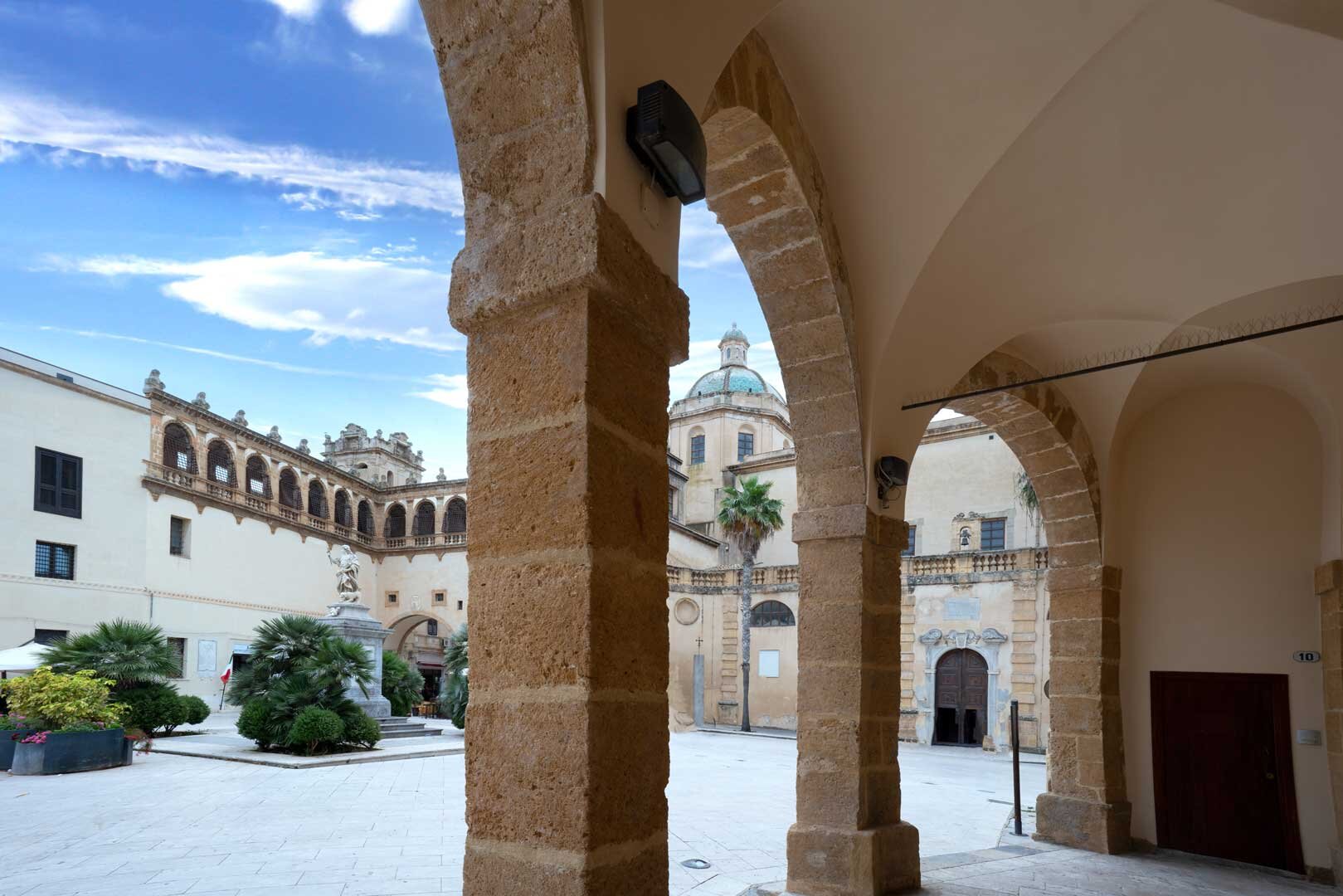
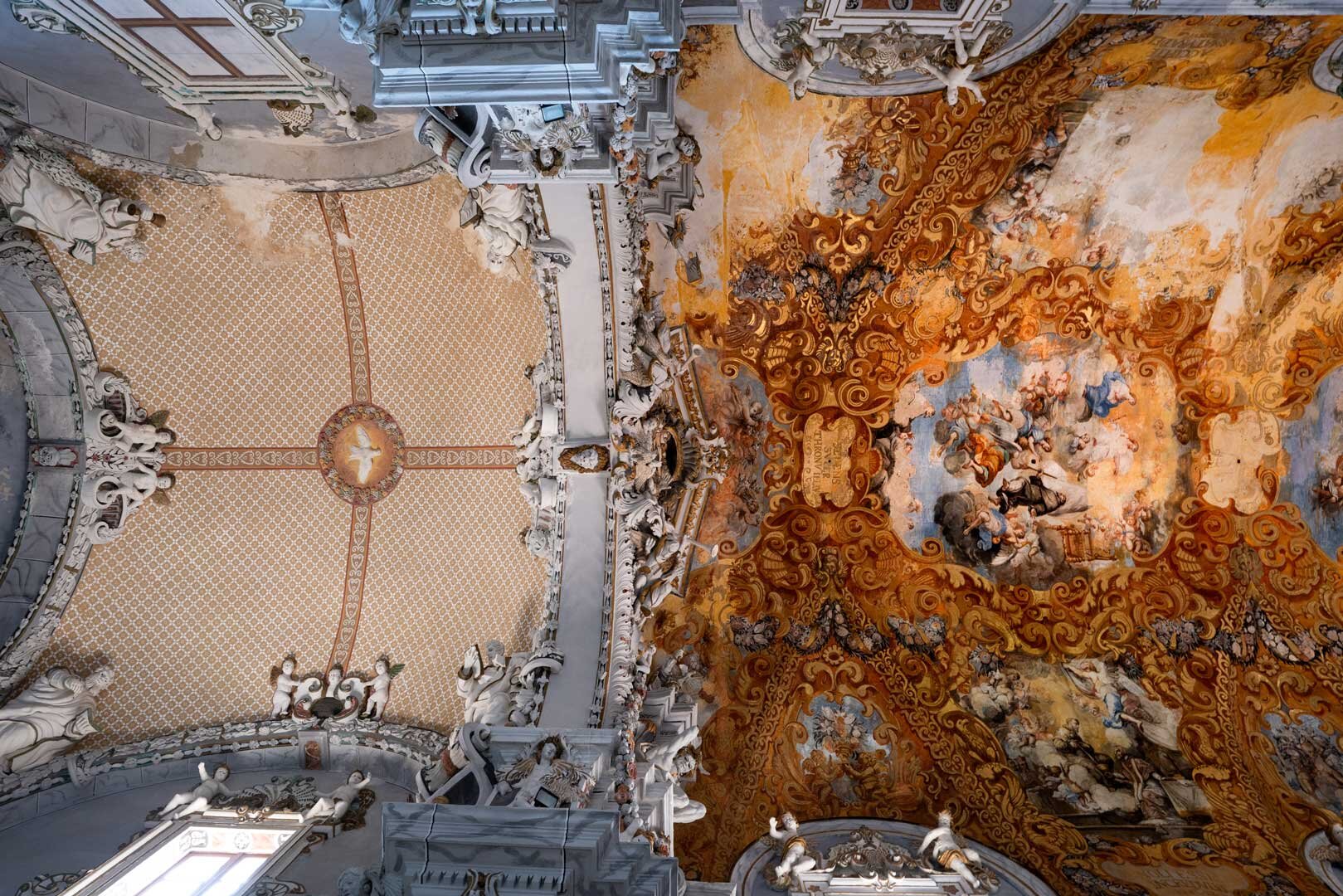
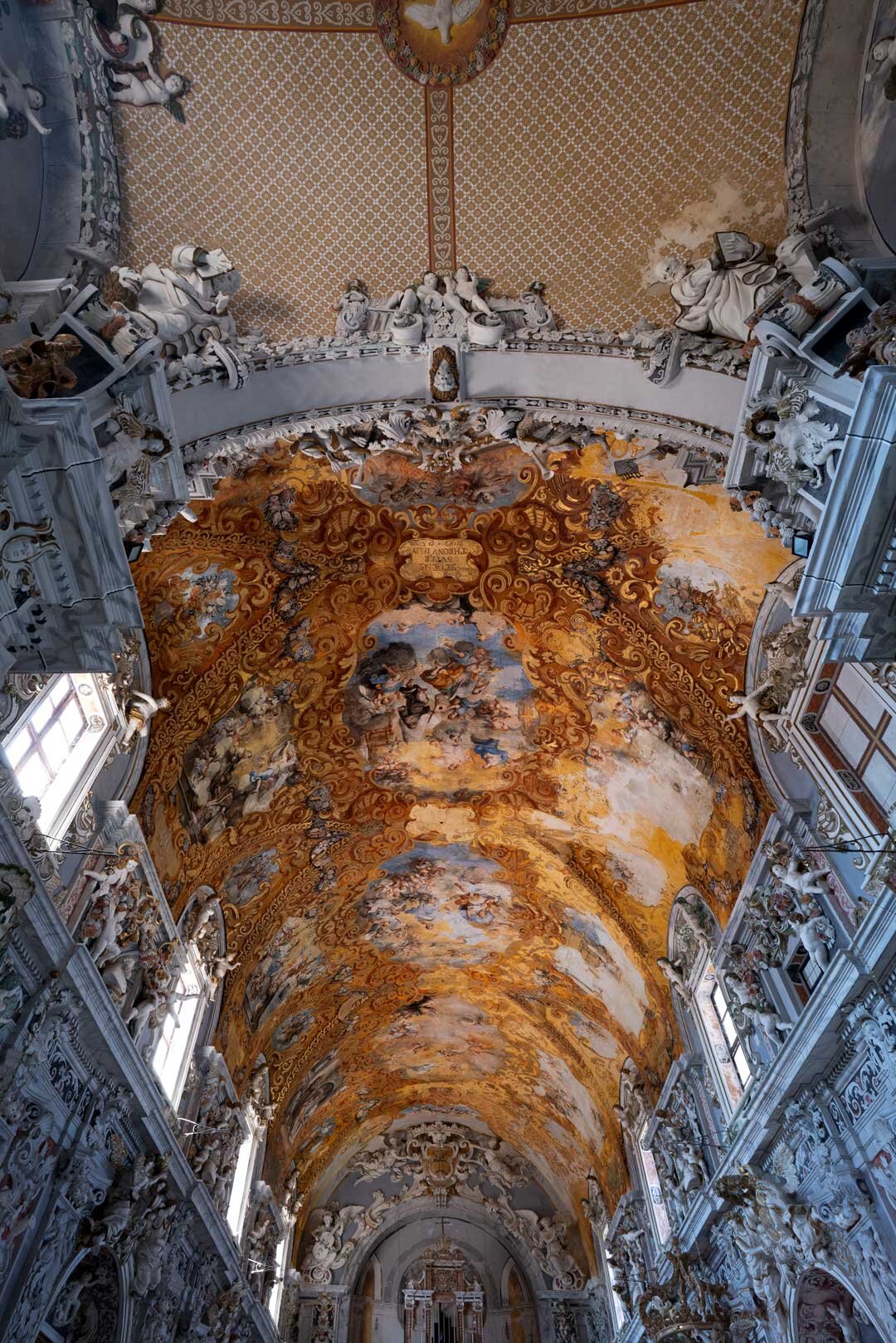
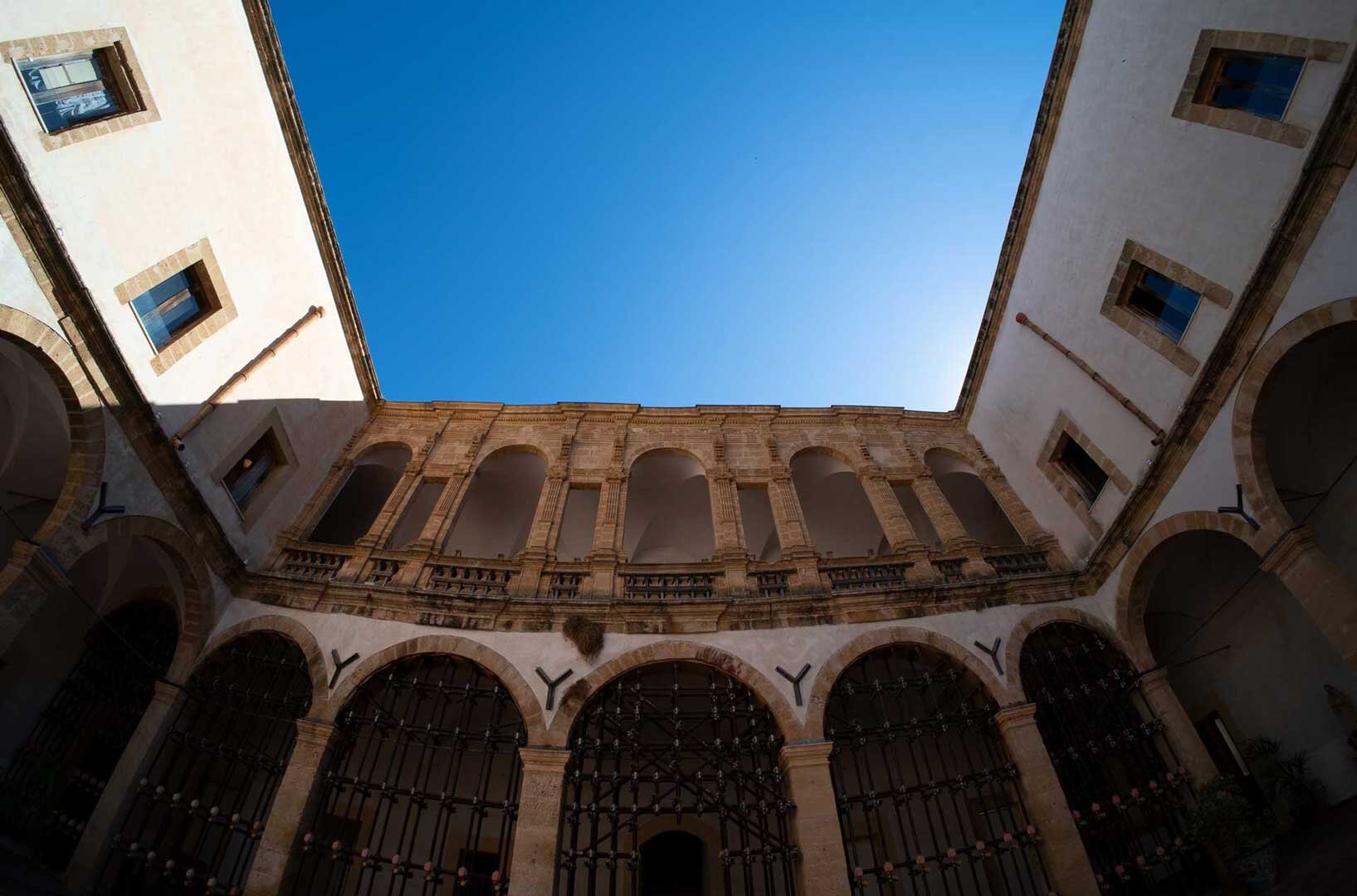
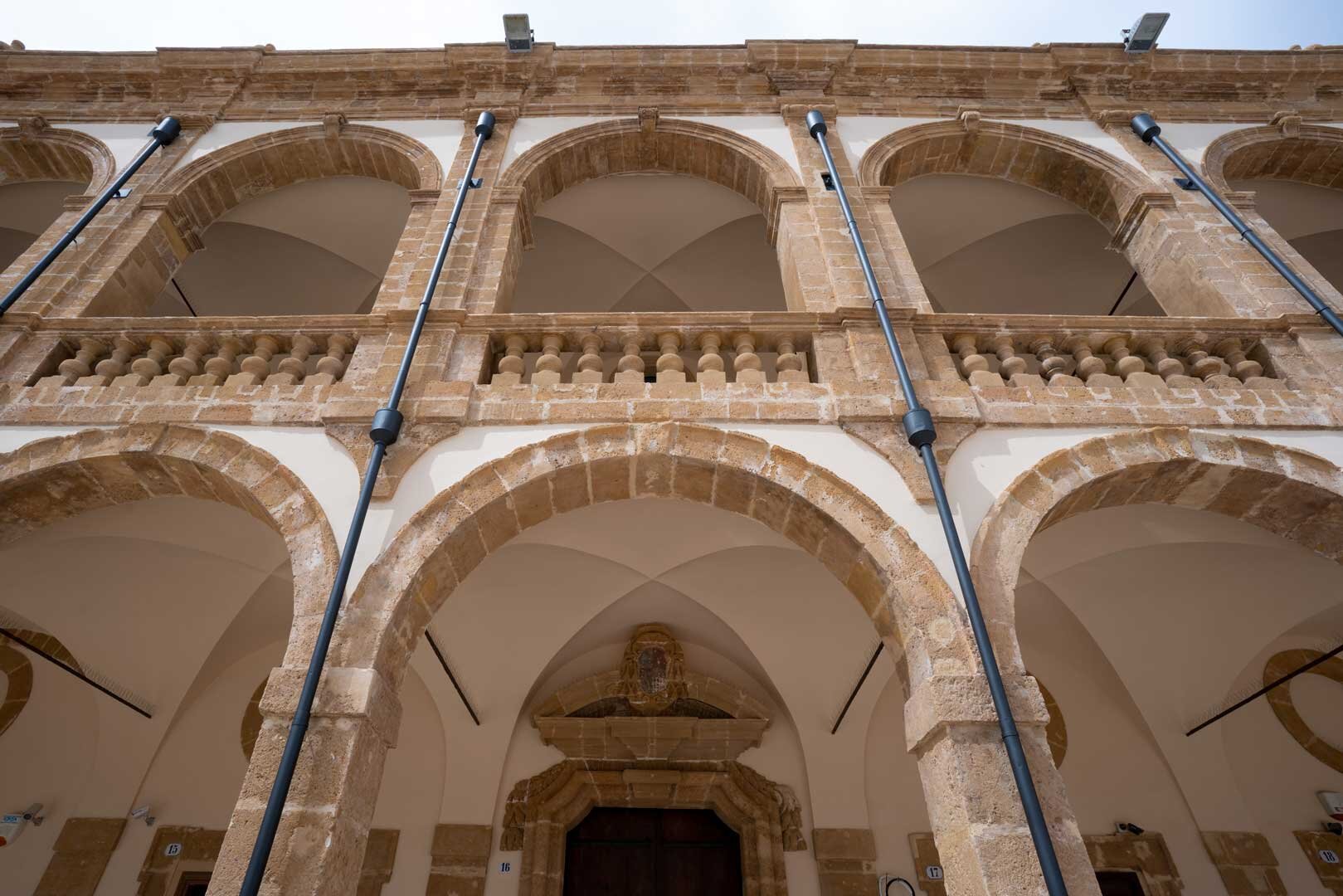
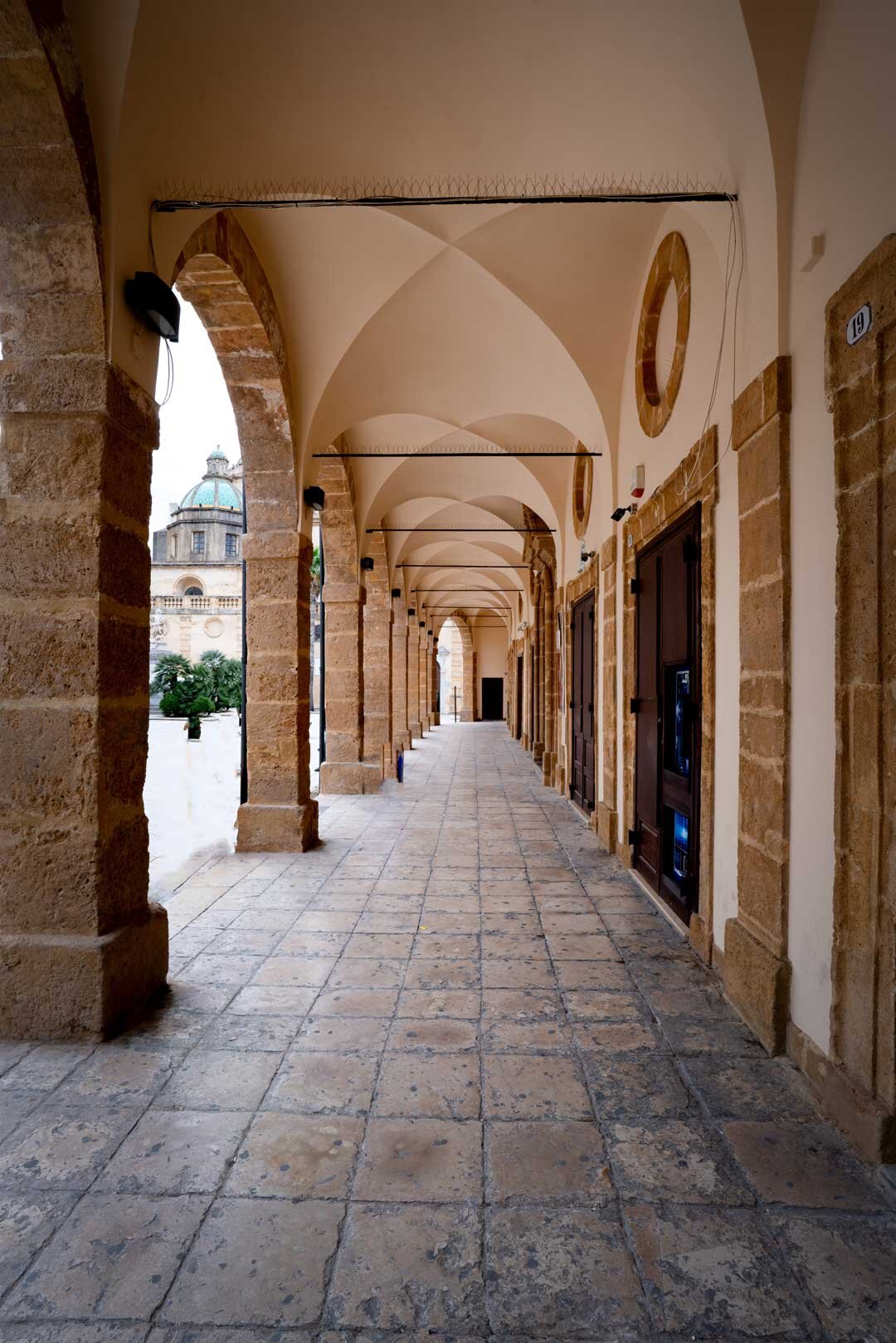
The monumental heart of Mazara is Piazza della Repubblica, one of the most elegant Baroque drawing rooms in Sicily: closed on one side by the Cathedral of the Most Holy Saviour and on the other by the Seminary and the Bishop's Palace, with their arcades and the statue of San Vito. The cathedral, founded by the Normans and rebuilt in Baroque forms at the end of the seventeenth century, stands where the main mosque once rose: inside it guards the grandiose sculptural group of the Transfiguration by Antonello Gagini and a cycle of stuccoes and marbles that tell of centuries of devotion. A few steps away, the Diocesan Museum preserves sacred silverware and vestments.


The fishing town and the red prawn

Mazara is the leading fishing district in Italy: almost four hundred boats set sail from its port towards the Strait of Sicily, and on their decks Sicilian and Tunisian sailors work side by side. The treasure they bring back has a name that is now a brand: the red prawn of Mazara, fished in the offshore deep, with sweet flesh and an intense colour, in high demand from kitchens all over the world. Strolling at dawn along the harbour basin, among the returning boats and the fish market coming to life, is the best way to grasp the industrious, Mediterranean soul of this town.


The beaches and the coast

A few minutes from the centre, Mazara's coast offers long stretches of sand. The beach of Tonnarella, north-west of the town, is the most loved: pale sand, a gently shelving seabed, lidos and free stretches, ideal for families. Further south, the Lago Preola and Gorghi Tondi Nature Reserve, run by the WWF, protects a system of lakes and wetlands where flamingos and migratory birds stop over; and Capo Feto, the last great coastal marsh of western Sicily, is a wildlife refuge of rare, silent beauty.


When to go

Spring — the ideal season: a mild climate for losing yourself in the Kasbah, perfect light on the Baroque square, nature in bloom in the reserves.
Summer — the sea and beaches of Tonnarella, long evenings in the harbour restaurants, the great feast of San Vito at the end of August.
Autumn — a sea still warm, a peaceful town, the best time to savour the fresh fish and the red prawn.
Winter — a gentle climate and an authentic atmosphere, the rites of Holy Week and Arab-Sicilian flavours in the most intimate months.

Frequently asked questions about Mazara del Vallo

How much time do you need to visit Mazara del Vallo?

For the Kasbah, the Satyr Museum, the cathedral and the Baroque square, a full day is enough. Adding the beaches of Tonnarella, the nature reserves and the fishing port, two days let you enjoy it at your leisure.

Where is the Dancing Satyr and how do you visit it?

The Dancing Satyr is on display at the Satyr Museum, in the deconsecrated church of Sant'Egidio, right in the old town. The museum is open to the public with a ticket; the bronze, fished up in 1998, is floodlit at the centre of the main hall.

How do you get to Mazara del Vallo?

By car from the A29 (Palermo–Mazara), Mazara del Vallo exit. Trapani Birgi airport is about 45 minutes away, Palermo airport about an hour and a half. Mazara is also served by the Palermo–Trapani railway line via Castelvetrano.

What is the Kasbah and can you visit it freely?

The Kasbah is Mazara's Arab quarter, the only surviving medina in Sicily: alleys, courtyards, murals and workshops of the Tunisian community. It can be visited freely on foot, by day; it is a lived-in neighbourhood, so you walk around it with respect and curiosity, as in a real medina.

Why is Mazara's red prawn so famous?

It is fished in the depths of the Strait of Sicily by the Mazara fleet, the largest in Italy. Its sweet flesh, intense red colour and freshness make it an ingredient sought after by international haute cuisine. In Mazara it is enjoyed straight off the boat, often raw.

When is the feast of San Vito in Mazara?

The Festino di San Vito, the town's patron saint, is celebrated at the end of August, with the Annunciation in seventeenth-century costumes, the procession of the silver statue, the blessing of the sea and the casting of the laurel wreath in memory of drowned sailors.


Discover more

For institutional information, museum opening hours, events and visitor services, see the official website of the Municipality of Mazara del Vallo.

Related content

Between Mount Bonifato and the sea, a mosaic of golden stone, vineyards and far horizons

Alcamo

A town that tells its story from the heights of its mountain and mirrors itself in the Gulf of Castellammare. Medieval castles, baroque churches and the bright fragrance of its most celebrated wine await those who choose to explore it slowly.

Buseto Palizzolo

A walk inside the scents and colors of a city garden.

Calatafimi Segesta

A Journey Through Time in the Heart of Sicily

Campobello Di Mazara

The dense foliage of centuries-old olive trees characterises the landscape of this town

The Arab-Norman port town overlooking the gulf, between the fortress by the sea, the sea stacks of Scopello and the Zingaro Reserve

Castellamare Del Golfo

A castle that has guarded the port since the Middle Ages, an old town climbing up from the sea in steps, the sea stacks of Scopello and the gateway to the Zingaro Reserve. Castellammare del Golfo is the fishing town where western Sicily, Mediterranean history and nature meet in a single view.

Castelluzzo

Small jewel that constitutes the wildest side of San Vito Lo Capo.

Castelvetrano

Pure uncontaminated nature

The marble town at the foot of Monte Cofano, between the sanctuary of the Madonna who arrived by sea and the living nativity of the Mangiapane Cave

Custonaci

A Marian sanctuary that guards a painting attributed to the school of Antonello da Messina, a troglodyte village where every Christmas the most evocative living nativity in Sicily comes to life, the Monte Cofano Nature Reserve and a hundred marble quarries. Custonaci is intimate, devoted western Sicily.

The medieval town suspended at 751 metres, between the temple of Venus and the cobblestone alleys overlooking the Mediterranean

Erice

A Norman castle built on the ruins of the temple of Venus Erycina, a medieval town of stone alleys vanishing into the mist, the view from the Balio Gardens all the way to the Egadi Islands. Erice is western Sicily seen from 751 metres up, where every century has left a tower.

Favignana

The largest of the Egadi islands

The town destroyed by the earthquake and reborn as an open-air contemporary art museum, between Burri's Cretto and the works of the great masters of the twentieth century

Gibellina

A town razed to the ground by the Belice earthquake and rebuilt as a single, immense work of art: the Stella di Consagra that serves as its gateway, the great white sphere of the Chiesa Madre, and a few kilometres away the Cretto di Burri, the concrete shroud enveloping the ruins of the old town. Gibellina, Italian Capital of Contemporary Art 2026.

Egadi

Favignana, Marettimo, Levanzo: the islands of treasures

Levanzo

Small and wild

Macari

Macari, along with Castelluzzo, is a fraction of San Vito Lo Capo.

Marettimo

Uncontaminated nature

Marsala

Wine, baroque art and windmills

Sicily's youngest municipality, a mosaic of hamlets among the salt pans, the golden beaches of Marausa and the sea-scented countryside south of Trapani

Misiliscemi

Born in 2021 from the union of eight ancient hamlets, Misiliscemi is not a town but a territory: the long beach of Marausa facing the Stagnone lagoon, the salt pans of Salinagrande, the farming districts with Arabic names and the airport that is the gateway to western Sicily. Authentic Sicily, the kind you live rather than visit.

Paceco

Windmills, salt flats, pink flamingos. It sounds like a movie, but it's all true

Pantelleria

The black pearl of the Mediterranean

Partanna

The medieval village surrounded by nature

Petrosino

Nestled and looking towards a transparent sea

Poggioreale

"The ruins that mark a people"

Zingaro Nature Riserve

The first nature reserve established in Sicily is an untouched paradise of cliffs plunging into the sea

Salaparuta

The sign of a violent earthquake.

The first capital of Italy for a single day, one of the most beautiful villages in Italy suspended over the hills of the Belice, between Garibaldi's castle, the ruins of the Mother Church an

Salemi

A Norman-Swabian castle where Garibaldi was the first to raise the Italian tricolour, making Salemi the first capital of Italy; a Mother Church reduced to an open-air stage set by the Belice earthquake and reinvented by Álvaro Siza; the Arab and Jewish alleys of the old town and the votive breads of San Giuseppe. Salemi is the Sicily of history and of bread.

A golden ribbon of sand between Monte Monaco and the Zingaro Reserve, where Sicily meets its most transparent sea

San Vito Lo Capo

Sicily's most photographed beach, a sanctuary-fortress that has watched over the village since the sixteenth century and one of the most enchanting nature reserves in the Mediterranean. San Vito Lo Capo is discovered slowly, barefoot between the white of the houses and the turquoise of the sea.

Santa Ninfa

A unique nature reserve

The sickle-shaped city stretching out between two seas, among salt pans dotted with windmills, the Misteri of Good Friday and the harbour from which you set sail for the Egadi

Trapani

A strip of land squeezed between two seas, salt pans that turn to gold and pink at sunset, windmills that grind PGI salt, the longest Misteri procession in Italy and the harbour from which hydrofoils depart for Favignana. Trapani is the beguiling, salt-tinged capital of western Sicily.

Valderice

A dip in the blue sea, a ride in the hills, 4 steps in history: the traveler's triathlon.

Vita

In the green lung of western Sicily: the Baronia forest.

We anticipate your questions

Plan your holidays

We designed this site to help you plan the perfect holiday.
Find all the information you need in one place. 
Have questions? Contact us directly for assistance.

Thank you

We’ve sent you an email. To activate the newsletter, click on the link you will find in the message. Thank you!

Something went wrong

Try again

Mistake