locality

Buseto Palizzolo

Buseto Palizzolo Buseto Palizzolo

Some villages are not told through a square or a cathedral, but through the scent of the earth, rows of olive trees and the silence of a wood. Buseto Palizzolo is one of them: a "scattered" municipality in the Trapani hinterland, with no real monumental centre, made up of hamlets and districts spread across the hills — Buseto Centro, Badia, Battaglia, Buseto Superiore, Pianoneve — where life flows to the slow rhythm of the countryside.

Born in the 1930s from the break-up of the ancient municipality of Monte San Giuliano (today's Erice), Buseto carries its roots in its name: Buseto from the Arabic Busith, an old hamlet, and Palizzolo from a noble Erice family that farmed and managed the land here. It is a place that does not astonish with monuments, but wins you over with authenticity: the great Scorace Wood, the groves of DOP olive oil, the stone bagli, and busiata, the signature pasta born from a blade of grass.

On one side the wood, on the other the cultivated hills and, just beyond, the sea: Buseto is the Sicily you live slowly, far from the crowds.
— The character of the village

A scattered municipality among the hills of the hinterland

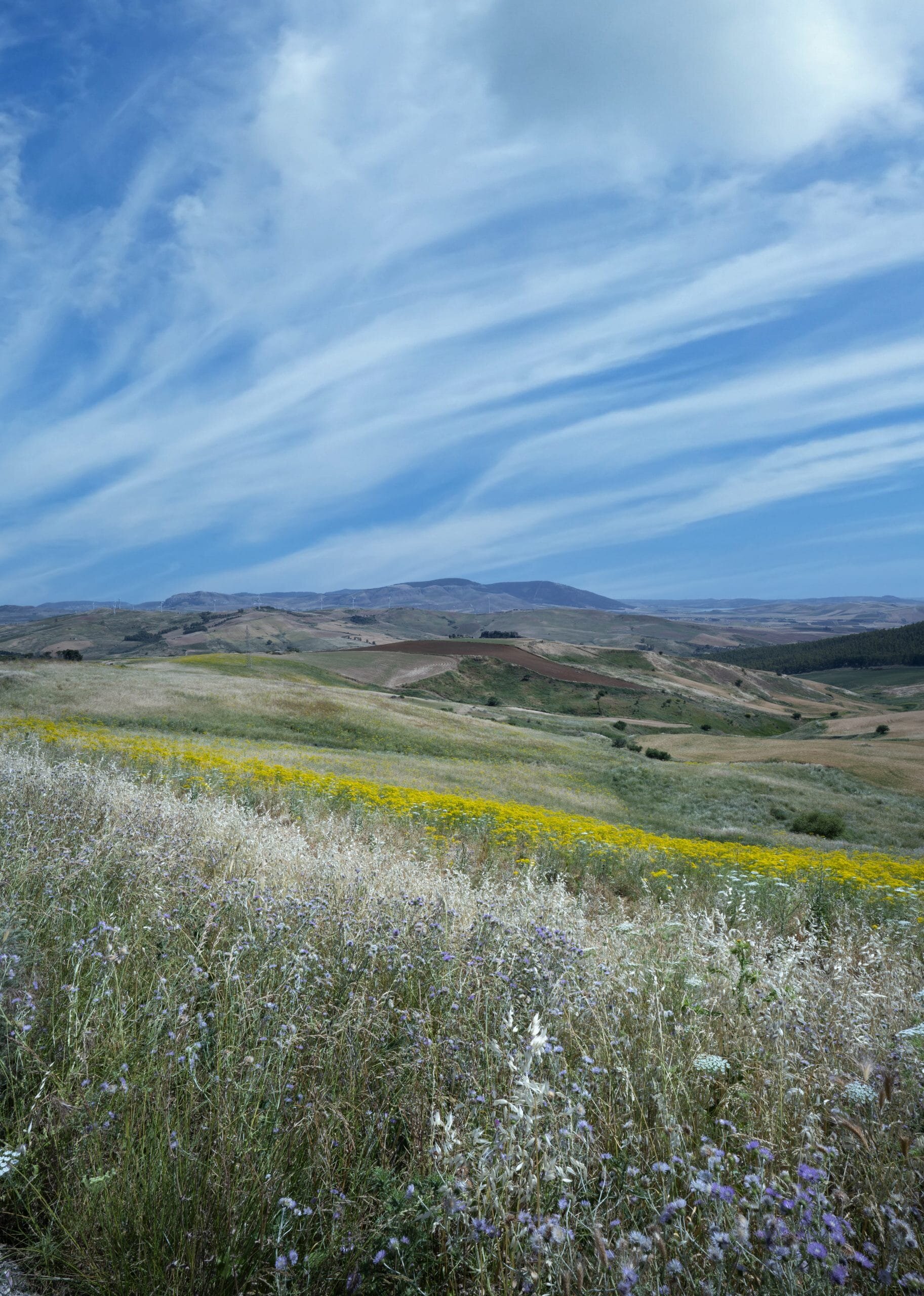
Buseto Palizzolo has no single town centre: it is a territory rather than a village, a cluster of districts lying at around 250 metres on fully cultivated hills, with Monte Luziano (500 m) as its peak. Just under three thousand inhabitants, the busetani, live spread among the main settlements and more distant hamlets such as Bruca, Fazio and Città Povera. You don't come here for a checklist of sights, but to immerse yourself in an authentic agricultural landscape — vineyards, orchards, expanses of olive trees — halfway between the mountain of Erice, the ruins of Segesta and the beaches of the coast. This is inland Sicily, the real one, made of countryside and unhurried time.


The Scorace Wood: nature, trails and mushrooms

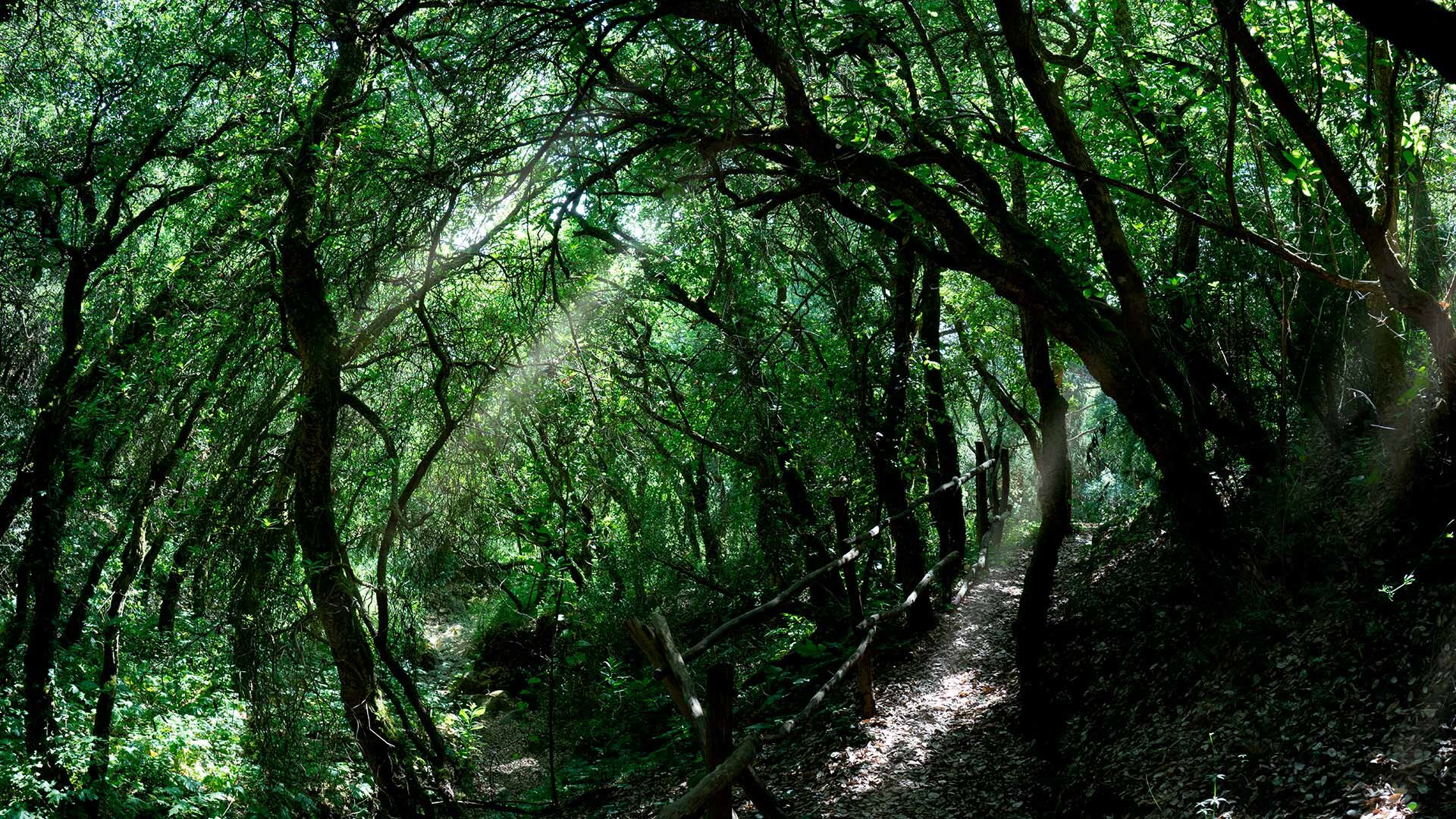
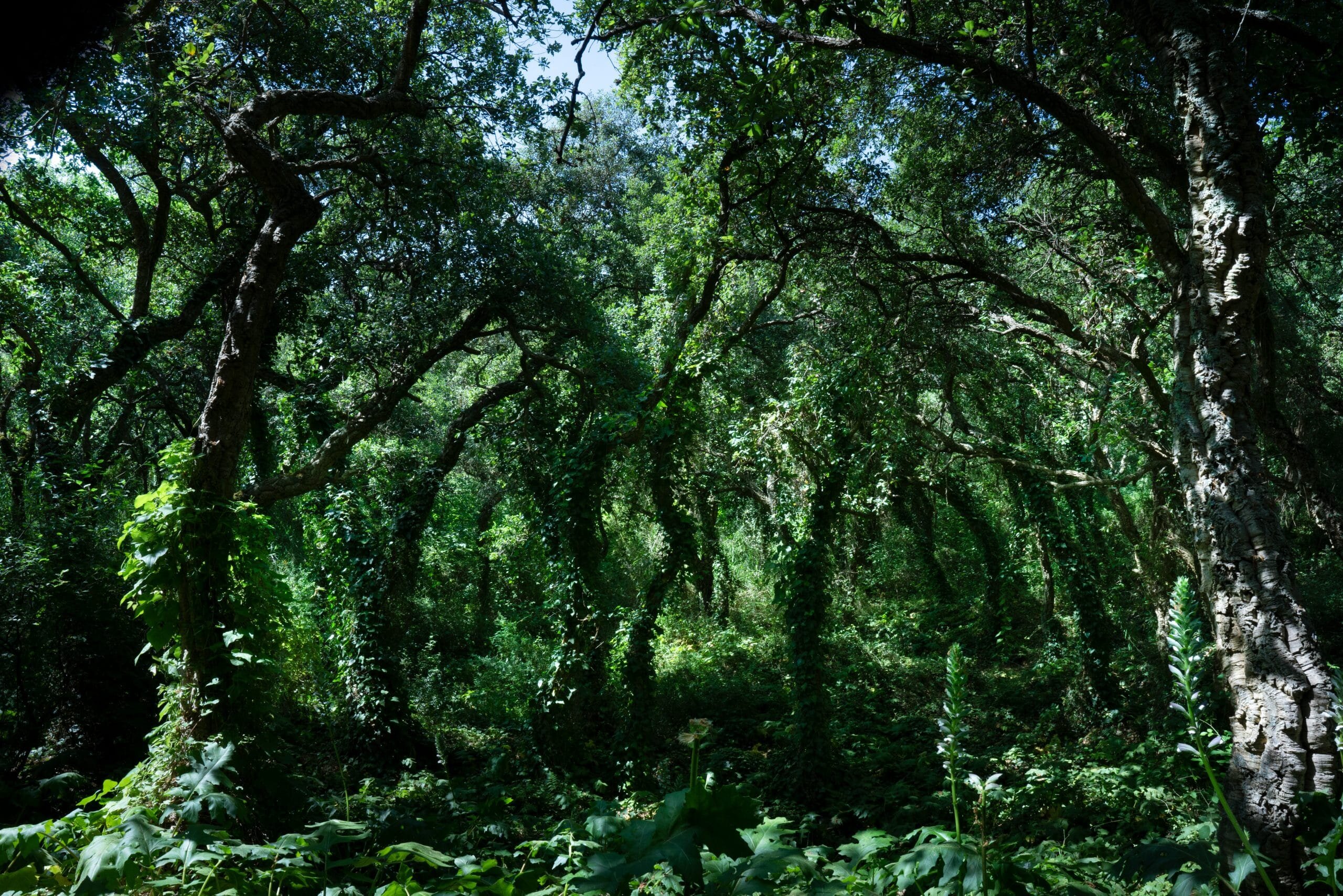
The green heart of Buseto is the Scorace Wood, around 750 hectares of nature that make it one of the largest woodlands in western Sicily. Cork oaks, holm oaks, downy oaks, pines, cypresses and strawberry trees form a dense cover populated by wild boar, hares, porcupines, martens and raptors such as the peregrine falcon. It is also a land of rare, prized mushrooms — so much so that Buseto is nicknamed "the village of the mushroom" — with black porcini and Caesar's mushroom among the most sought after. The wood is crossed by marked trails for hiking and mountain biking, and it holds the first nature paths in the province of Trapani designed for people with disabilities and the visually impaired too: a small lake, equipped areas and the scent of resin do the rest.

Scorace Wood — 750 hectares of oaks, pines and mushrooms, with trails for hiking and MTB and accessible paths.
The hamlets — Buseto Superiore, Badia, Battaglia, Pianoneve: the mosaic of districts that makes up the scattered municipality.
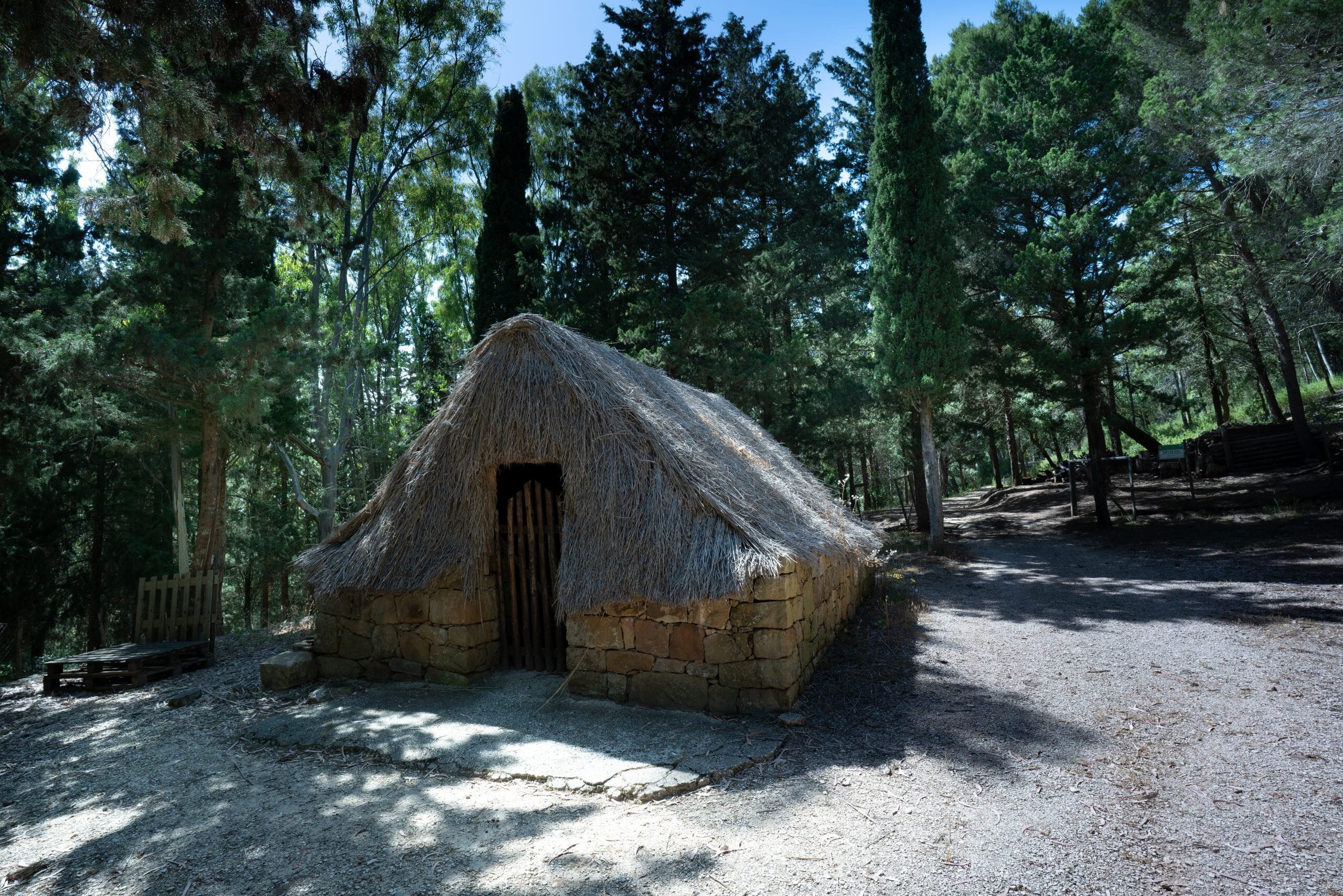
The country bagli — old fortified farmsteads such as Baglio Murfi and Baglio Maranzano, among olive groves and vines.
Monte Luziano — the highest point of the territory (500 m), with views over the hills of the Agro-Ericino.

Bosco Scorace Buseto Palizzolo | © Archivio West of Sicily Bosco Scorace Buseto Palizzolo | © Archivio West of Sicily
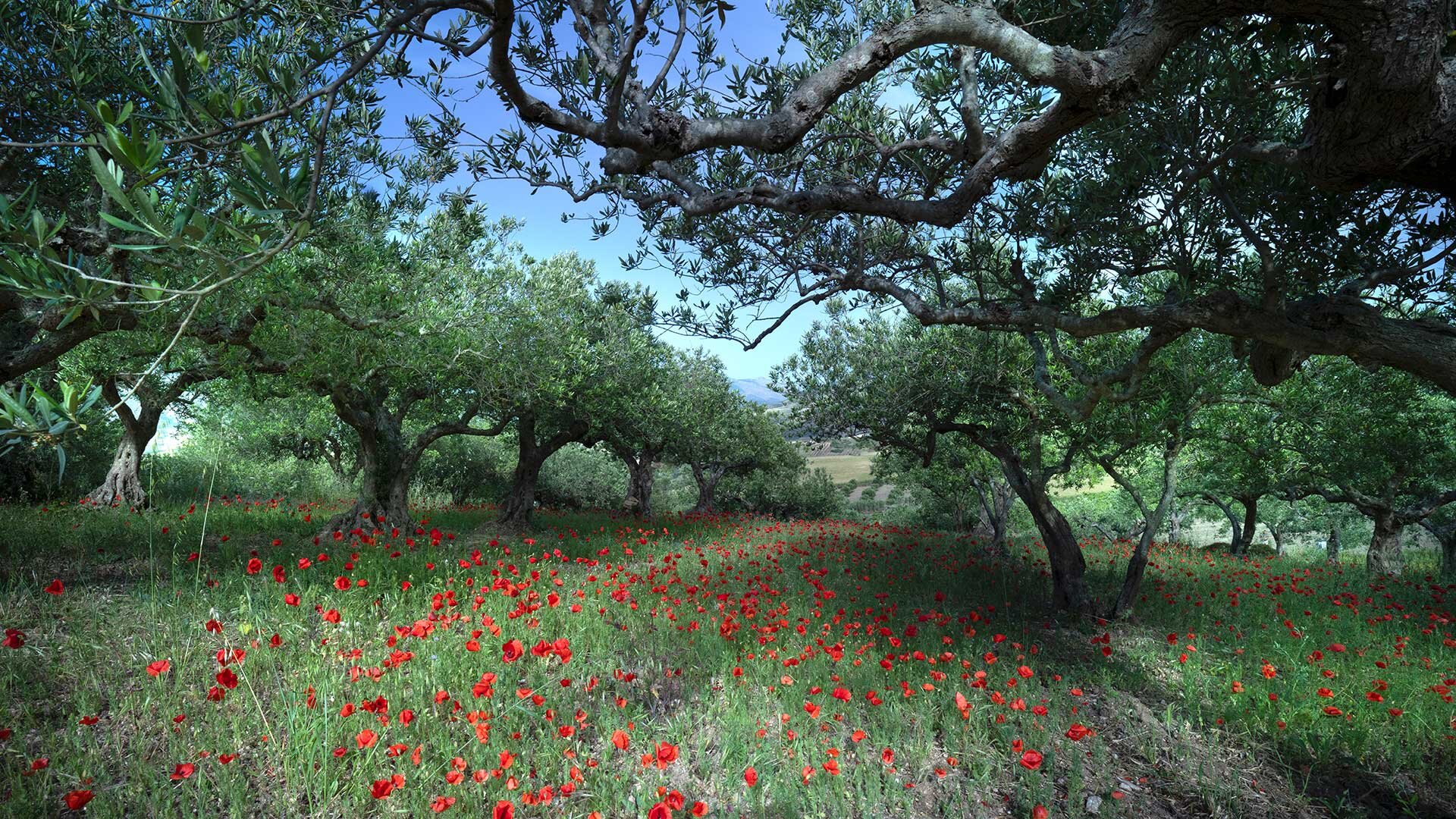
Campagna Buseto Palizzolo | © Archivio West of Sicily Campagna Buseto Palizzolo | © Archivio West of Sicily
Buseto Palizzolo Buseto Palizzolo
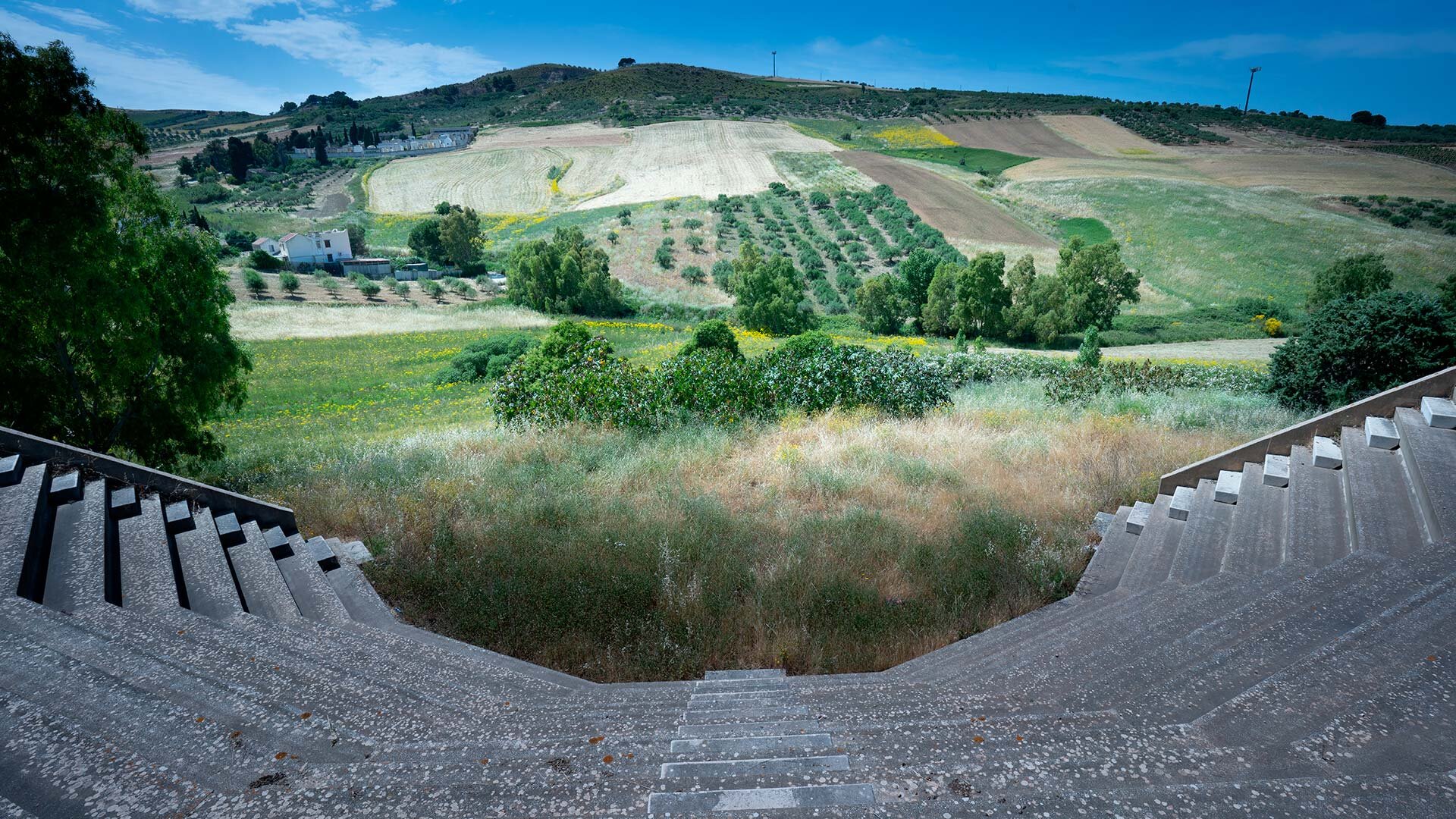
Anfiteatro Buseto Palizzolo, Sicilia | © Archivio West of Sicily Anfiteatro Buseto Palizzolo, Sicilia | © Archivio West of Sicily

Busiata: the pasta born from a blade of grass

Buseto's signature dish is busiata, a fresh pasta rolled by hand around a thin stem. That stem is the "busa", the stalk of the ampelodesma (disa grass) that grows abundantly right in the Scorace Wood: hence the name of the pasta and, probably, of the village itself. Busiata is served with pesto alla trapanese — tomato, almonds, garlic and basil — and takes centre stage at the Sagra della Busiata, the summer festival that draws visitors with tastings, show cooking and food culture. Alongside it, the traditional pasta "cu l'agghia e a sasizza arrustuta", with pesto and roasted sausage: simple, country flavours, deeply Sicilian.


Olives, oil and bagli: the agricultural landscape

Around the hamlets stretches a landscape of olive groves, vineyards and orchards that is Buseto's true wealth. The municipality belongs to the national Città dell'Olio (Cities of Oil) association and falls within the Valli Trapanesi DOP extra virgin olive oil area, produced with the Biancolilla, Nocellara and Cerasuola cultivars: a green, intense, fragrant oil, guardian of an ancient farming culture. Dotting the countryside are the bagli and masserie, old fortified buildings born as farming estates and later rural residences — such as Baglio Murfi and Baglio Maranzano — today partly turned into agriturismi where you can taste the hospitality and the produce of the land.


Middle ground between Erice, Segesta and the sea

Buseto Palizzolo's position is one of its most precious gifts: it lies in the heart of the Trapani area, a handful of kilometres from the great draws of western Sicily. To the north the mountain of Erice with its medieval village, to the south-west the Doric temple of Segesta, towards the coast the beaches of San Vito Lo Capo, the Zingaro Nature Reserve, Monte Cofano and the bay of Cornino. A little further on, the salt pans of Trapani, the Egadi Islands and Marsala. Staying in Buseto means having a quiet, authentic base from which to explore the whole west of the island, returning each evening to the peace of the countryside.


When to go

Spring — the ideal season for the Scorace Wood trails and the flowering hills: perfect weather for hikes and walks among the olive groves.
Summer — the season of the food festivals and the Busiata, with the beaches of San Vito and Cornino close by: ideal for those who want sea and countryside together.
Autumn — the time of the new oil and the wood's mushrooms, with the warm colours of the hills and the crisp air: the most genuine season.
Winter — mild weather, silent countryside and the farmhouse table: busiata, oil and seasonal flavours in the bagli and agriturismi.

Frequently asked questions about Buseto Palizzolo

What is there to see in Buseto Palizzolo?

Buseto is a rural municipality with no monumental centre: you visit it for nature and the countryside. Not to be missed are the Scorace Wood with its trails, the hamlets scattered among the olive groves, the old country bagli and the food-and-wine experiences tied to busiata and olive oil.

What is the Scorace Wood?

It is a vast woodland of around 750 hectares, one of the largest in western Sicily, with oaks, pines, prized mushrooms and wildlife. It is crossed by marked trails for hiking and mountain biking, with nature paths accessible to people with disabilities and the visually impaired too.

What is busiata and why is it called that?

The busiata is a fresh pasta rolled by hand around a thin stem, the "busa", the stalk of the ampelodesma grass that grows in the Scorace Wood: hence the name. It is served with pesto alla trapanese and celebrated every year with the Sagra della Busiata.

When is the Sagra della Busiata held?

The Sagra della Busiata takes place in summer, between late July and early September depending on the edition. It is the village's flagship event, with tastings, show cooking and music dedicated to the signature pasta and local produce. It is best to check the dates each year.

What is there around Buseto Palizzolo?

The location is strategic: within a few kilometres you reach Erice, the temple of Segesta, the beaches of San Vito Lo Capo, the Zingaro Nature Reserve, Monte Cofano, the salt pans of Trapani, Marsala and the ports for the Egadi Islands.

Why is Buseto a "scattered" municipality?

Because it has no single historic centre, but is made up of several hamlets and districts spread across the hills — Buseto Centro, Badia, Battaglia, Buseto Superiore, Pianoneve — grown around the farming estates. The municipality was established in the 1930s by breaking up the vast territory of ancient Monte San Giuliano (Erice).


Discover more

For official information, events, Scorace Wood trails and visitor services, see the official website of the Municipality of Buseto Palizzolo.

Related content

Calatafimi Segesta

A Journey Through Time in the Heart of Sicily

Campobello Di Mazara

The dense foliage of centuries-old olive trees characterises the landscape of this town

The Arab-Norman port town overlooking the gulf, between the fortress by the sea, the sea stacks of Scopello and the Zingaro Reserve

Castellamare Del Golfo

A castle that has guarded the port since the Middle Ages, an old town climbing up from the sea in steps, the sea stacks of Scopello and the gateway to the Zingaro Reserve. Castellammare del Golfo is the fishing town where western Sicily, Mediterranean history and nature meet in a single view.

Castelluzzo

Small jewel that constitutes the wildest side of San Vito Lo Capo.

Castelvetrano

Pure uncontaminated nature

The marble town at the foot of Monte Cofano, between the sanctuary of the Madonna who arrived by sea and the living nativity of the Mangiapane Cave

Custonaci

A Marian sanctuary that guards a painting attributed to the school of Antonello da Messina, a troglodyte village where every Christmas the most evocative living nativity in Sicily comes to life, the Monte Cofano Nature Reserve and a hundred marble quarries. Custonaci is intimate, devoted western Sicily.

The medieval town suspended at 751 metres, between the temple of Venus and the cobblestone alleys overlooking the Mediterranean

Erice

A Norman castle built on the ruins of the temple of Venus Erycina, a medieval town of stone alleys vanishing into the mist, the view from the Balio Gardens all the way to the Egadi Islands. Erice is western Sicily seen from 751 metres up, where every century has left a tower.

Favignana

The largest of the Egadi islands

The town destroyed by the earthquake and reborn as an open-air contemporary art museum, between Burri's Cretto and the works of the great masters of the twentieth century

Gibellina

A town razed to the ground by the Belice earthquake and rebuilt as a single, immense work of art: the Stella di Consagra that serves as its gateway, the great white sphere of the Chiesa Madre, and a few kilometres away the Cretto di Burri, the concrete shroud enveloping the ruins of the old town. Gibellina, Italian Capital of Contemporary Art 2026.

Egadi

Favignana, Marettimo, Levanzo: the islands of treasures

Levanzo

Small and wild

Macari

Macari, along with Castelluzzo, is a fraction of San Vito Lo Capo.

Marettimo

Uncontaminated nature

Marsala

Wine, baroque art and windmills

The town where Sicily turns into Africa, among the Arab alleys of the Kasbah, the Dancing Satyr brought back from the sea and the largest fishing fleet in Italy

Mazara del Vallo

A maze of Islamic-flavoured alleys where Arabic still echoes, a Greek bronze fished up from the deep that dances alone in a museum, a Baroque cathedral grown over a mosque, and four hundred trawlers bringing home the famous red prawn every day. Mazara del Vallo is the point where Europe touches Africa.

Sicily's youngest municipality, a mosaic of hamlets among the salt pans, the golden beaches of Marausa and the sea-scented countryside south of Trapani

Misiliscemi

Born in 2021 from the union of eight ancient hamlets, Misiliscemi is not a town but a territory: the long beach of Marausa facing the Stagnone lagoon, the salt pans of Salinagrande, the farming districts with Arabic names and the airport that is the gateway to western Sicily. Authentic Sicily, the kind you live rather than visit.

Paceco

Windmills, salt flats, pink flamingos. It sounds like a movie, but it's all true

Pantelleria

The black pearl of the Mediterranean

Partanna

The medieval village surrounded by nature

Petrosino

Nestled and looking towards a transparent sea

Poggioreale

"The ruins that mark a people"

Zingaro Nature Riserve

The first nature reserve established in Sicily is an untouched paradise of cliffs plunging into the sea

Salaparuta

The sign of a violent earthquake.

The first capital of Italy for a single day, one of the most beautiful villages in Italy suspended over the hills of the Belice, between Garibaldi's castle, the ruins of the Mother Church an

Salemi

A Norman-Swabian castle where Garibaldi was the first to raise the Italian tricolour, making Salemi the first capital of Italy; a Mother Church reduced to an open-air stage set by the Belice earthquake and reinvented by Álvaro Siza; the Arab and Jewish alleys of the old town and the votive breads of San Giuseppe. Salemi is the Sicily of history and of bread.

A golden ribbon of sand between Monte Monaco and the Zingaro Reserve, where Sicily meets its most transparent sea

San Vito Lo Capo

Sicily's most photographed beach, a sanctuary-fortress that has watched over the village since the sixteenth century and one of the most enchanting nature reserves in the Mediterranean. San Vito Lo Capo is discovered slowly, barefoot between the white of the houses and the turquoise of the sea.

Santa Ninfa

A unique nature reserve

The sickle-shaped city stretching out between two seas, among salt pans dotted with windmills, the Misteri of Good Friday and the harbour from which you set sail for the Egadi

Trapani

A strip of land squeezed between two seas, salt pans that turn to gold and pink at sunset, windmills that grind PGI salt, the longest Misteri procession in Italy and the harbour from which hydrofoils depart for Favignana. Trapani is the beguiling, salt-tinged capital of western Sicily.

Valderice

A dip in the blue sea, a ride in the hills, 4 steps in history: the traveler's triathlon.

Between Mount Bonifato and the sea, a mosaic of golden stone, vineyards and far horizons

Alcamo

A town that tells its story from the heights of its mountain and mirrors itself in the Gulf of Castellammare. Medieval castles, baroque churches and the bright fragrance of its most celebrated wine await those who choose to explore it slowly.

We anticipate your questions

Plan your holidays

We designed this site to help you plan the perfect holiday.
Find all the information you need in one place. 
Have questions? Contact us directly for assistance.

Thank you

We’ve sent you an email. To activate the newsletter, click on the link you will find in the message. Thank you!

Something went wrong

Try again

Mistake