

locality
Castellammare del Golfo

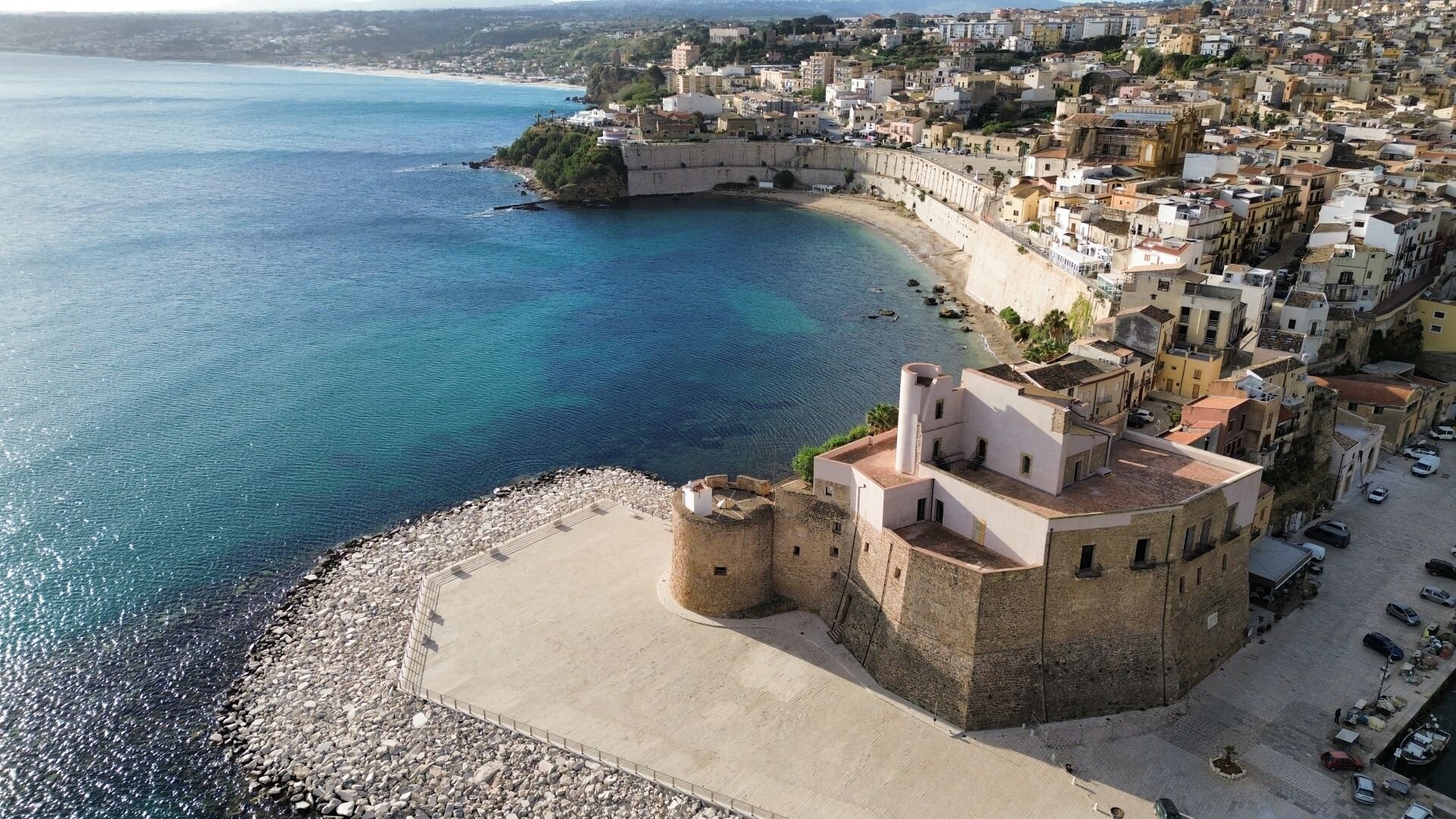
Some places in Sicily announce themselves from far off. Castellammare del Golfo is one of them: the road that descends from inland towards the sea suddenly reveals an amphitheatre of white houses set between the green of Monte Inici and the blue of the gulf, with the Arab-Norman castle reflected in the harbour water as it was on the very first day of the year 1000.
The Arab geographer al-Idrisi, in 1154, called it al-madariğ — "the steps" — because the village climbed up from the port to the hill. Nine centuries later the image is still perfect: you descend to the sea through alleys, pass under arches, arrive at the quay where fishing boats still unload in the morning. And the castle, motionless, keeps watch.
"No castle on the sea is stronger by site nor more defensible."
— Al-Idrisi, Arab geographer, 1154
A port that has been an emporium for 2,500 years
Long before the castle, long before the Arab name, this cove was already a well-known trading harbour. The Greeks recorded it as Emporium Segestanorum — the maritime port of Segesta — and for centuries the ceramics, wine and grain of the interior sailed from here across the Mediterranean. With the Arabs, the small landing became a real village; with the Normans it acquired its first fortress; with Aragonese and Angevins it was at the heart of feudal battles.
The Arab-Norman-Aragonese Castle
The Castle visible today is the layered work of four civilisations. Founded by the Arabs in the tenth century, extended by the Normans between the eleventh and twelfth, reinforced in the Aragonese age, it retains four recognisable towers — the Torre di San Giorgio, the Torre della Campana, the Baluardo of 1537 and the tower of 1586. Today its rooms host the Museum "La memoria del Mediterraneo" ("The Memory of the Mediterranean"), with two sections: an archaeological one on the Segestan emporium, and one on maritime activities, telling the life of the tuna fishermen and the merchants who animated the port.
Coastal watchtowers
Like the whole of western Sicily, Castellammare was part of the sixteenth-century watchtower system against corsairs. Four of them are still visible today.


Scopello and its Tonnara, Sicily's postcard
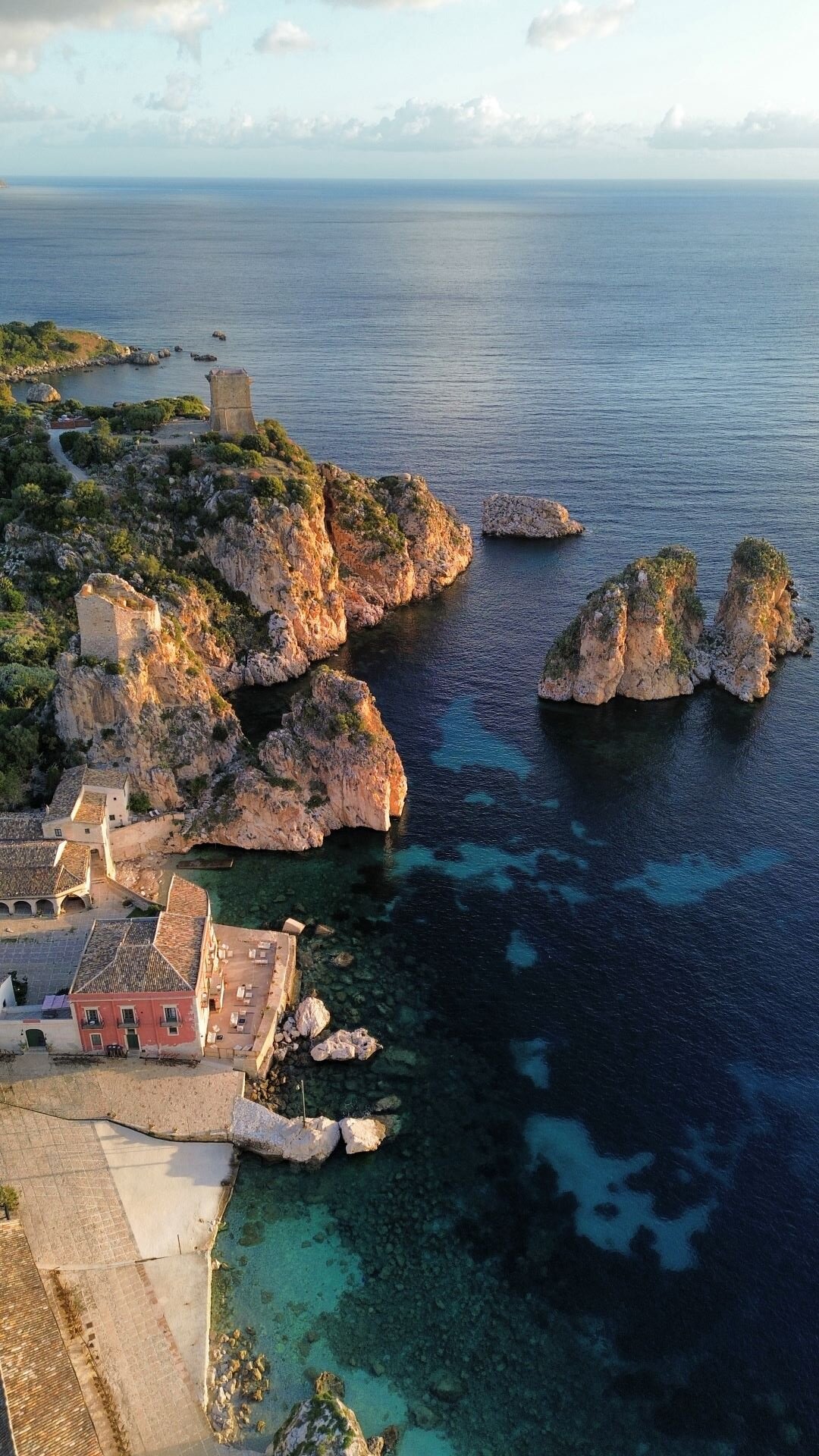
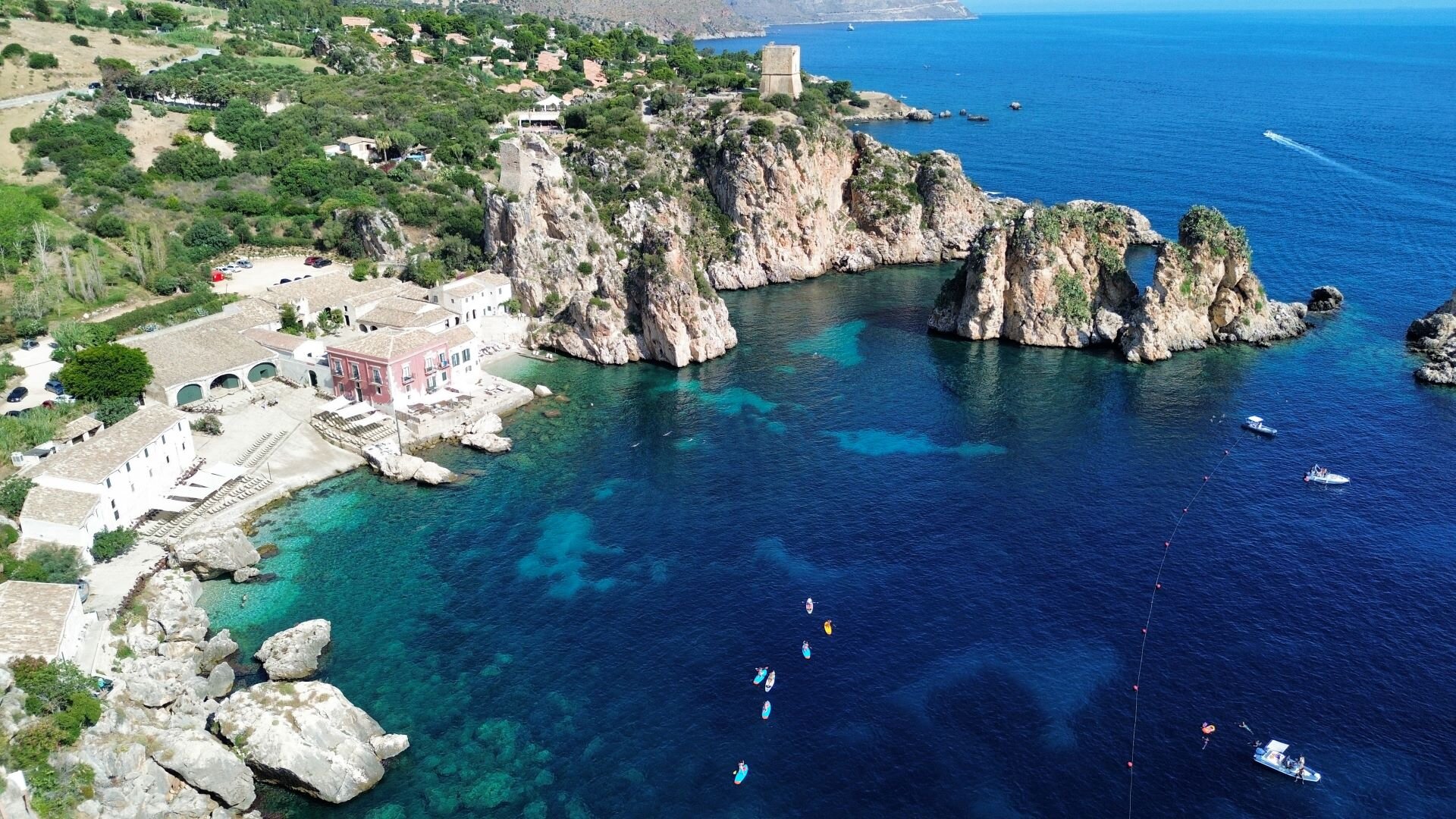
Ten kilometres from the centre, the hamlet of Scopello is perhaps the most photographed image of western Sicily: the Tonnara with its sea stacks rising from the water, the stone warehouses facing the small beach, the ancient baglio (courtyard farm) around which the village grew in the twentieth century. The tuna trap dates back to the thirteenth century, was expanded in 1468 by the Sanclemente family and then passed to the Jesuits; it worked until the 1980s and today houses a museum that tells the story of the mattanza, the fishermen and the tools.
Along the same coast, the Zingaro Nature Reserve — the first nature reserve in Sicily, established in 1981 — starts right at Scopello. Seven kilometres of coastal path cross Mediterranean scrub, dwarf palms, pebble coves and turquoise waters, all the way to San Vito Lo Capo at the other end.
The beaches of the Gulf: from La Plaja to hidden coves
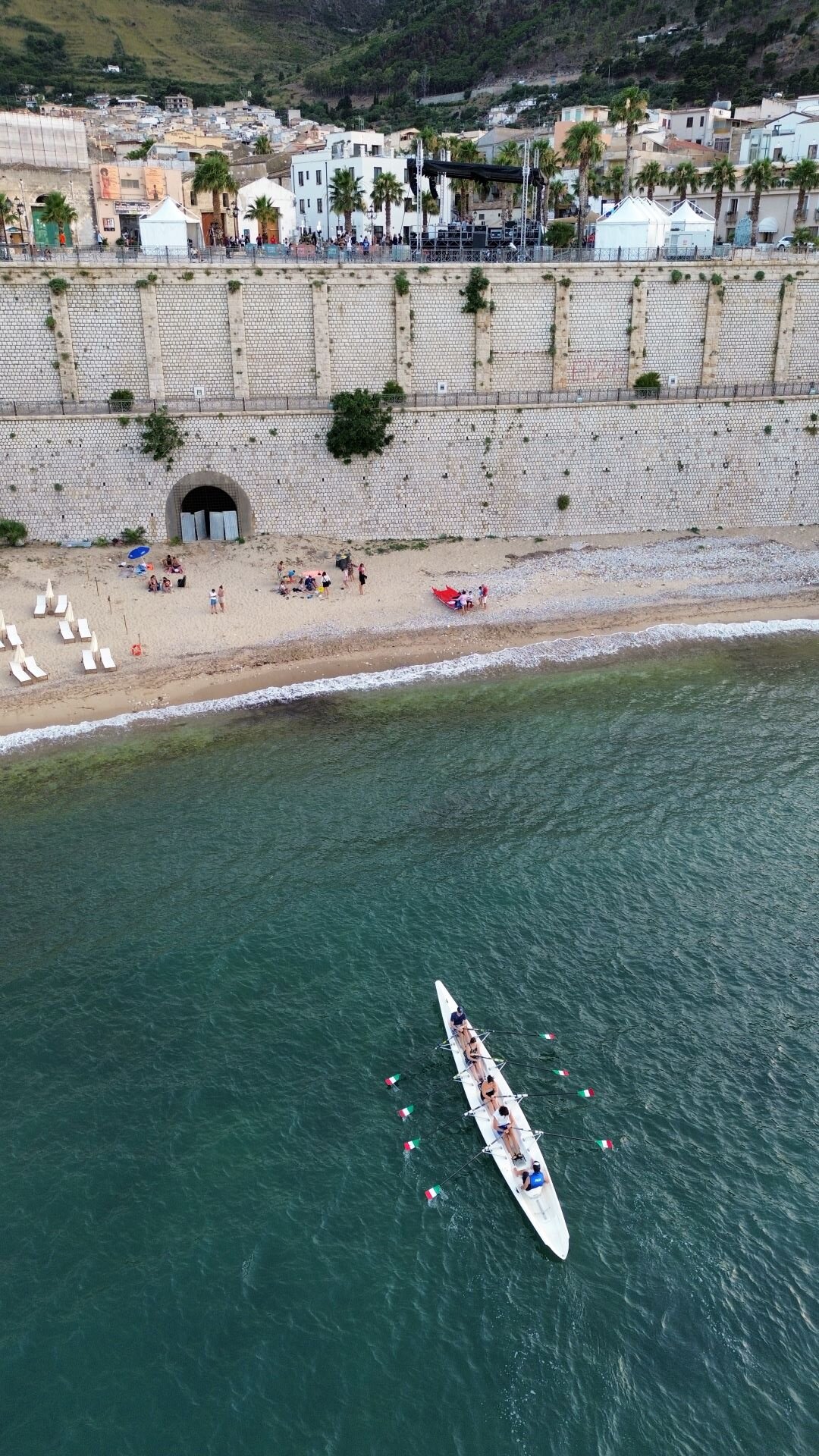
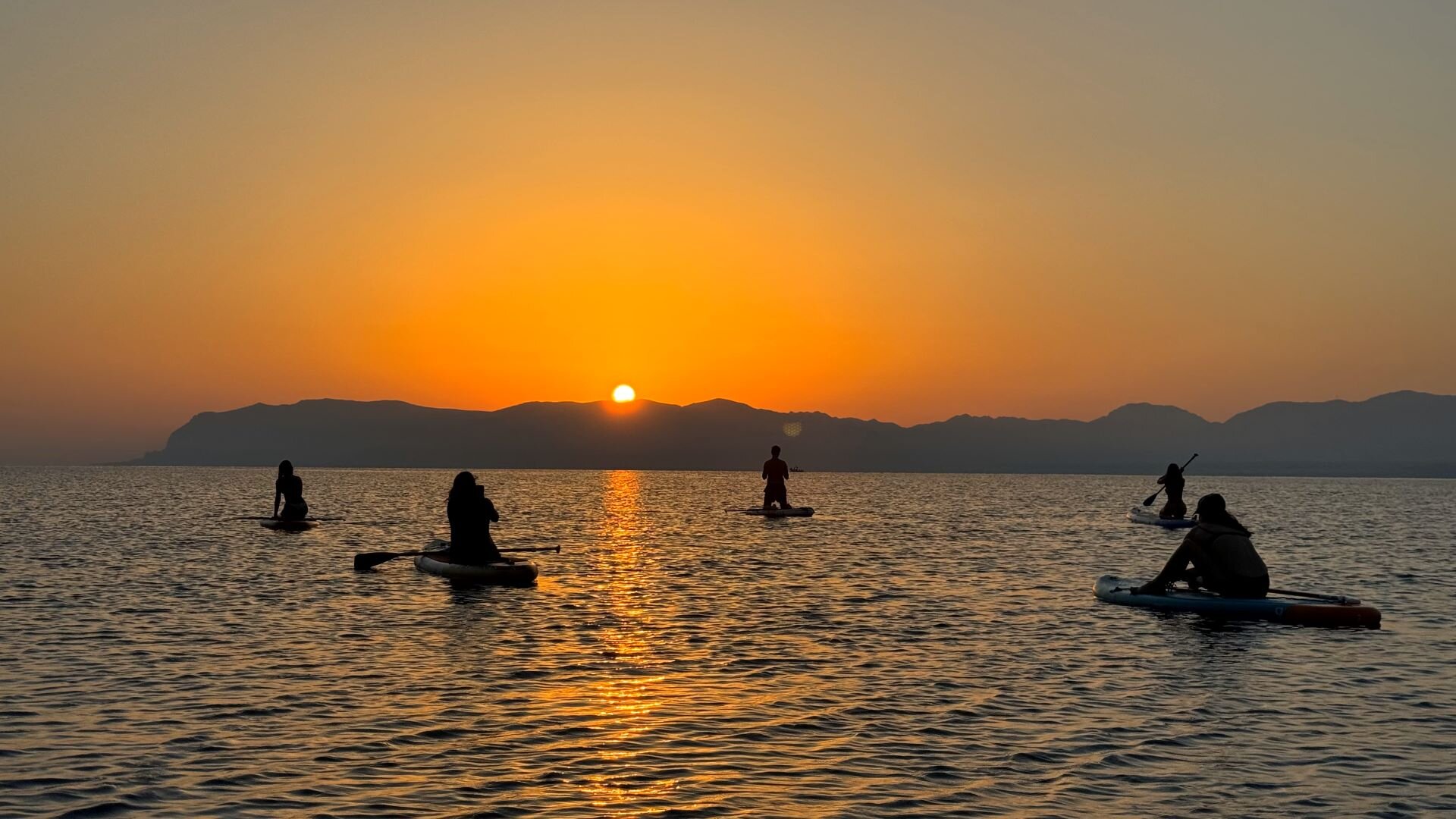
La Plaja is the longest beach: one and a half kilometres of golden sand east of the port, just past the mouth of the San Bartolomeo river, with shallow water making it ideal for families and long sunset walks. Below the castle opens instead Cala Petrolo, a more intimate beach with a view of the fortress.
Those who want to explore the wilder coast are spoilt for choice: Baia di Guidaloca — a 400-metre pebble arc with a sixteenth-century tower — Cala Bianca, Cala Rossa, Cala Mazzo di Sciacca, all scenic, all with clear water, all quieter than the main beach.
The Segestan Thermal Baths, healing in water for three thousand years
A few kilometres from the centre, in the Ponte Bagni district, the Segestan Thermal Baths gush forth: sulphurous waters at 44°C used continuously by humans for at least three thousand years. Pliny called them "medicinal", the Itinerarium Antonini recorded them as Aquae Segestanae, the Arabs called them al-hammah. Today the spa still welcomes visitors, with two thermal pools and the Grotta Regina — a natural sauna carved in Roman times. An ancient ritual that can still be experienced.
The Madonna del Soccorso and the legend of the saved port
On 13 July 1718 an English fleet threateningly appeared before the port of Castellammare. The town seemed defenceless. According to tradition, the Madonna del Soccorso appeared over the castle surrounded by angels, and the English gunners could not hit their target. Ever since, the patron saint's festival — from 19 to 21 August — celebrates that salvation with processions, illuminations and fireworks over the sea. Every two years the historical re-enactment "Nostra Principalissima Patrona" stages the episode with period costumes and displays in the old town. It is the moment when the village tells its own story and embraces it.
Flavours of the port
Castellammare's cuisine is sea and bread. The catch of the day from the port arrives at the table, along with sarde a beccafico and, in season, spaghetti with sea urchins. But there are two sweet-and-savoury treasures the village has made its own: cassatelle di ricotta, half-moons of fried pastry filled with sweetened ricotta and cinnamon; and pane cunzato — warm bread dressed with oil, anchovies, tomato and primosale cheese — the afternoon snack of Scopello and the surrounding beaches. Pair with a cool white wine from the Gulf (Alcamo DOC).
When to visit
Castellammare changes face with the season. There are months for the sea, months for trekking, months for the thermal baths and months for the town.
Frequently asked questions about Castellammare del Golfo
How much time do I need for Castellammare del Golfo?
A few hours are enough for the old town and the castle. To truly enjoy the area — port, Scopello, a walk in the Zingaro Reserve, the thermal baths, a trip to Segesta — you need at least three or four days. Many choose it as a base for a full week in western Sicily.
How do I get to Castellammare del Golfo?
From Palermo or Trapani take the A29 motorway to the Castellammare del Golfo exit. From Palermo Punta Raisi airport about 45 minutes; from Trapani Birgi airport about 40 minutes. By train, the Castellammare del Golfo station is served by the Palermo-Trapani line.
What can I see inside the Castle?
The Museum "La memoria del Mediterraneo", which occupies the restored spaces of the castle. Two paths: one archaeological (dedicated to the Segestan emporium and to Punic-Roman traces) and one ethnographic on maritime activities, with finds from tuna traps and traditional boats. Panoramic view of the gulf included.
How do I visit the Tonnara di Scopello?
The Tonnara can be visited by reservation — it is a private property open to the public. It includes the stone sheds, the mattanza museum and access to the small beach of the sea stacks (beach access is paid separately in high season). It lies about 10 km from Castellammare, in the direction of San Vito Lo Capo.
Are the Segestan Thermal Baths open all year?
Yes, the spa is generally open all year round, with different hours in summer and winter. The sulphurous water at 44°C is especially indicated for rheumatic and respiratory conditions. Check hours and services on the official website before visiting.
When is the Madonna del Soccorso festival?
From 19 to 21 August, with the climax on the 21st: the statue of the Madonna is carried in procession from the Chiesa Madre to the port, boats are blessed, and fireworks are set off from the sea. Every two years the historical re-enactment of the 1718 episode joins the celebration.
Discover more
For institutional information, opening hours of the Museum and Thermal Baths, events and visitor services, please refer to the official website of the Municipality of Castellammare del Golfo.
 Is not it what you were looking for? Review your choice


 Accommodation
 Event
Event
 All services
 How to get there
 Weather forecast