

locality
Trapani

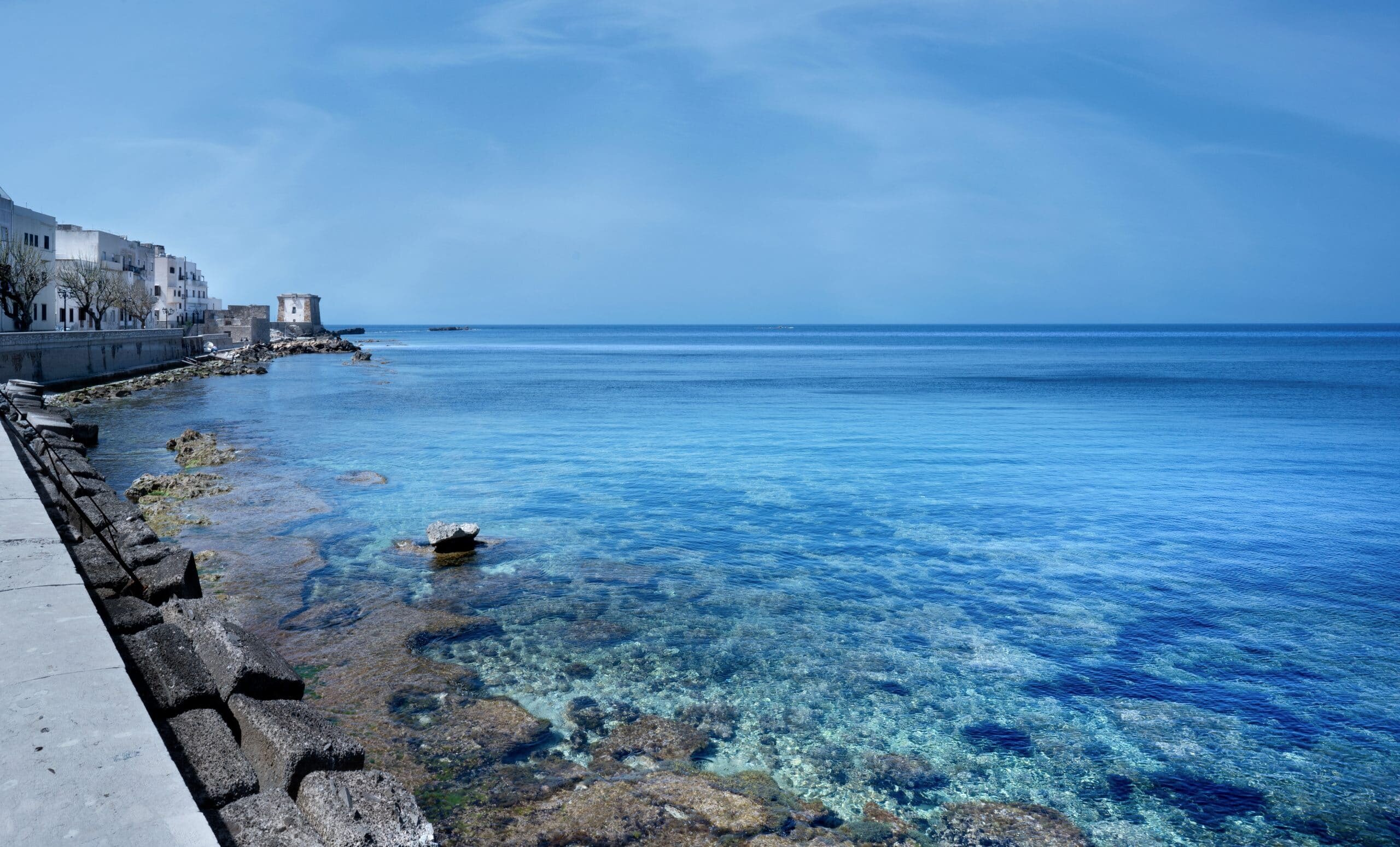
There is a city that seems eager to set sail: it stretches out into the sea like the blade of a sickle, squeezed between two waters, its houses ending where the horizon begins. The Greeks called it Drepanon, "sickle", and that shape still lives today in the city's coat of arms and in its destiny — a city of the sea more than any other in Sicily, clinging to a spit of land with Africa ahead and the Egadi just an arm's length away.
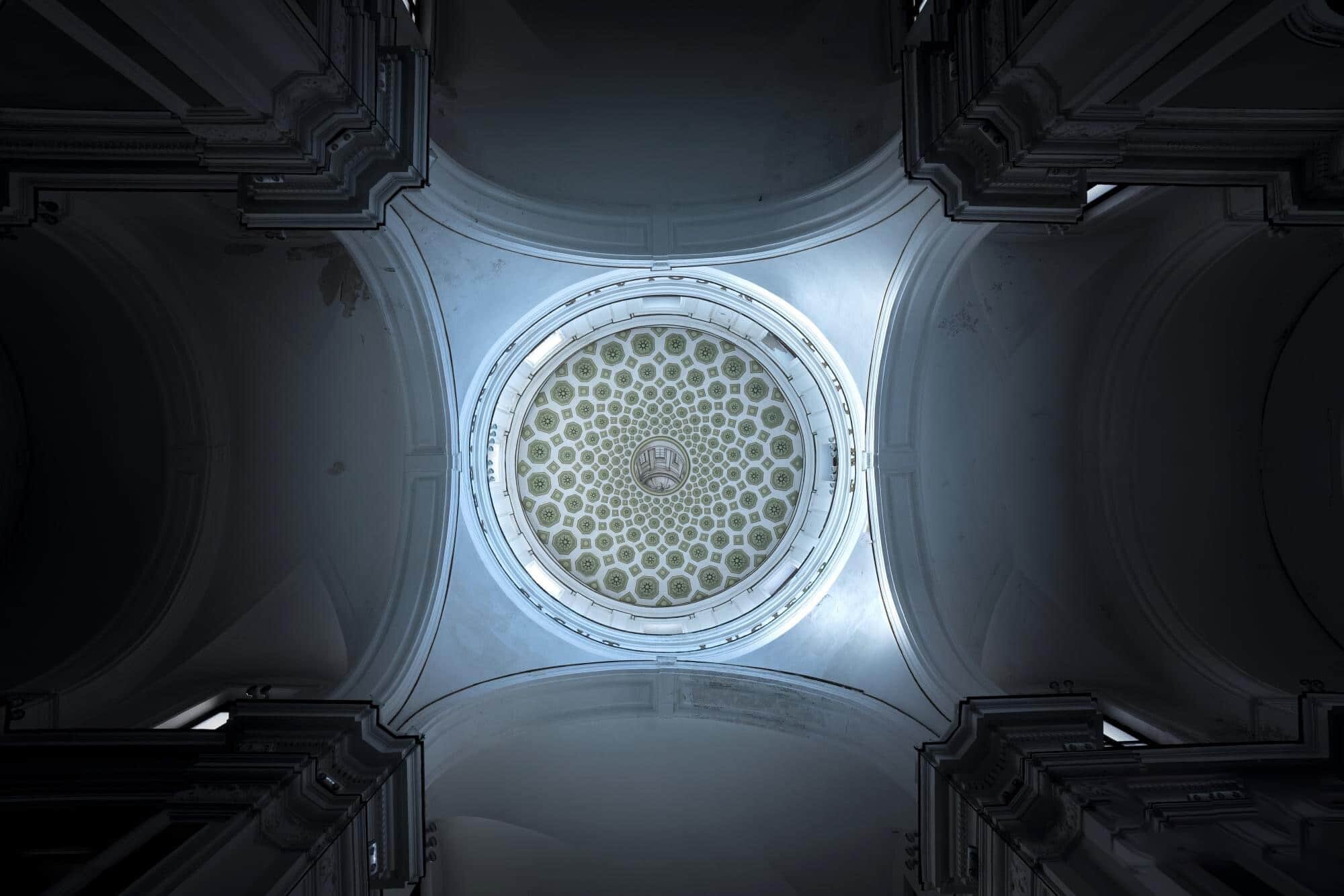
Trapani is the capital of western Sicily, but above all it is a character of its own: the dazzling white of salt in the salt pans, the deep red of coral worked by its craftsmen, the Baroque gold of the churches in the old town, the dark wood of the twenty groups of the Misteri carried on shoulders through the night of Good Friday. It is a city that lives on ancient rites and on the sea, where the sunset over the salt pans is a spectacle no one forgets, and from which you set off — towards Erice above the mountain, towards the islands, towards the open sea.
"Key of the Kingdom" ("Chiave del Regno"), Charles V called it in 1535. And still today Trapani is the threshold through which you enter the Sicily of the west.
— From the city's history
The sickle-shaped city and its old town
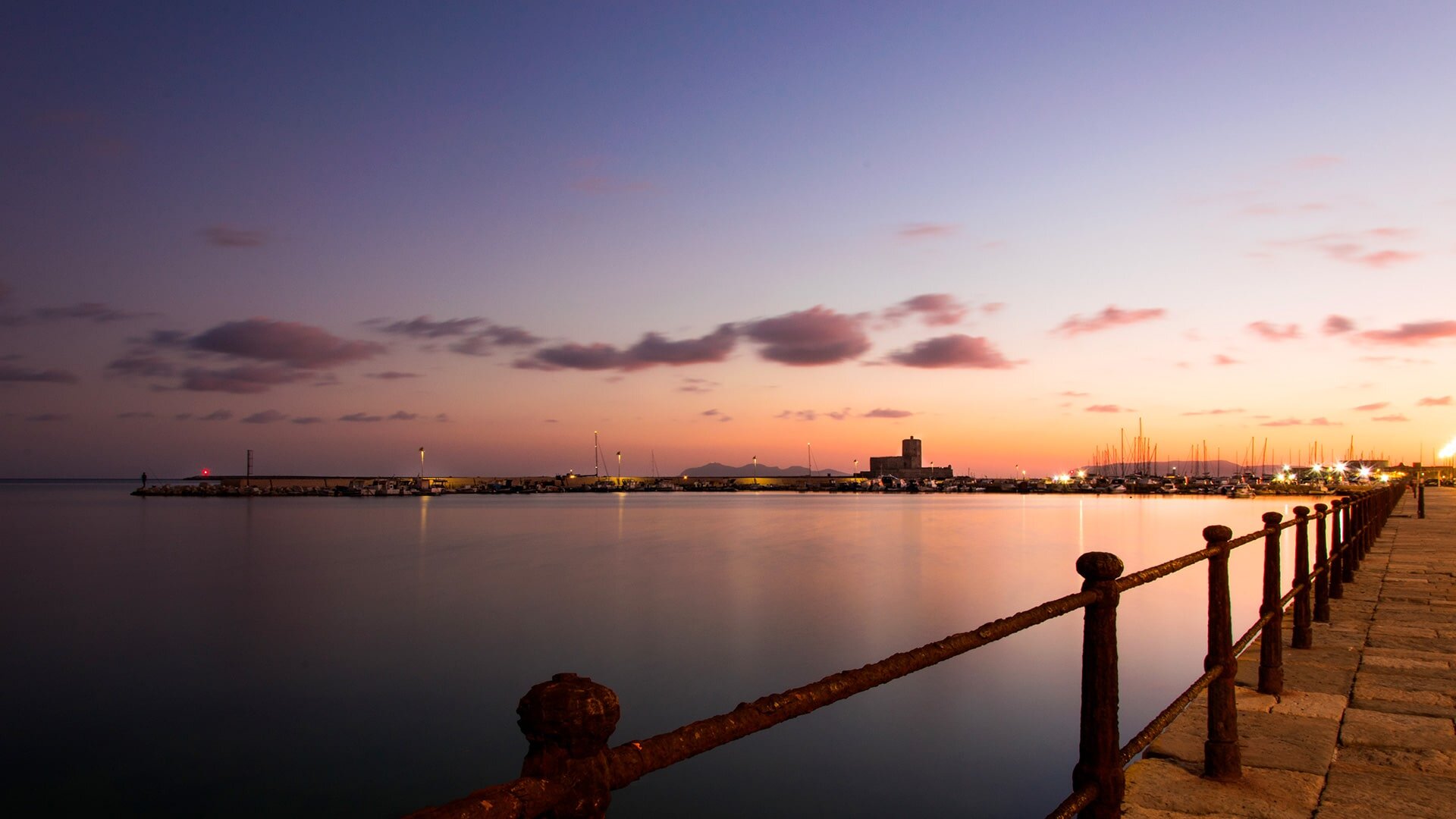
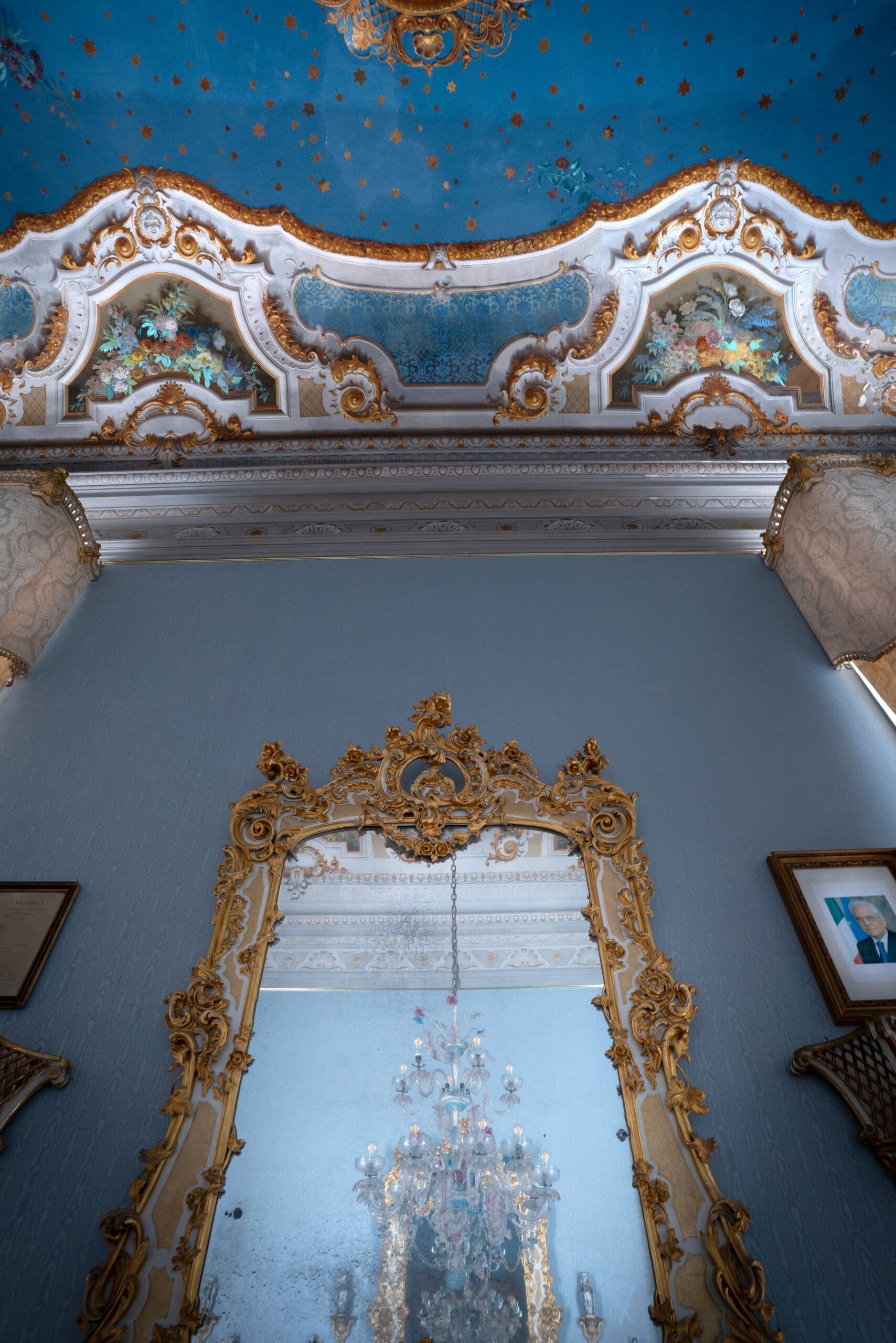
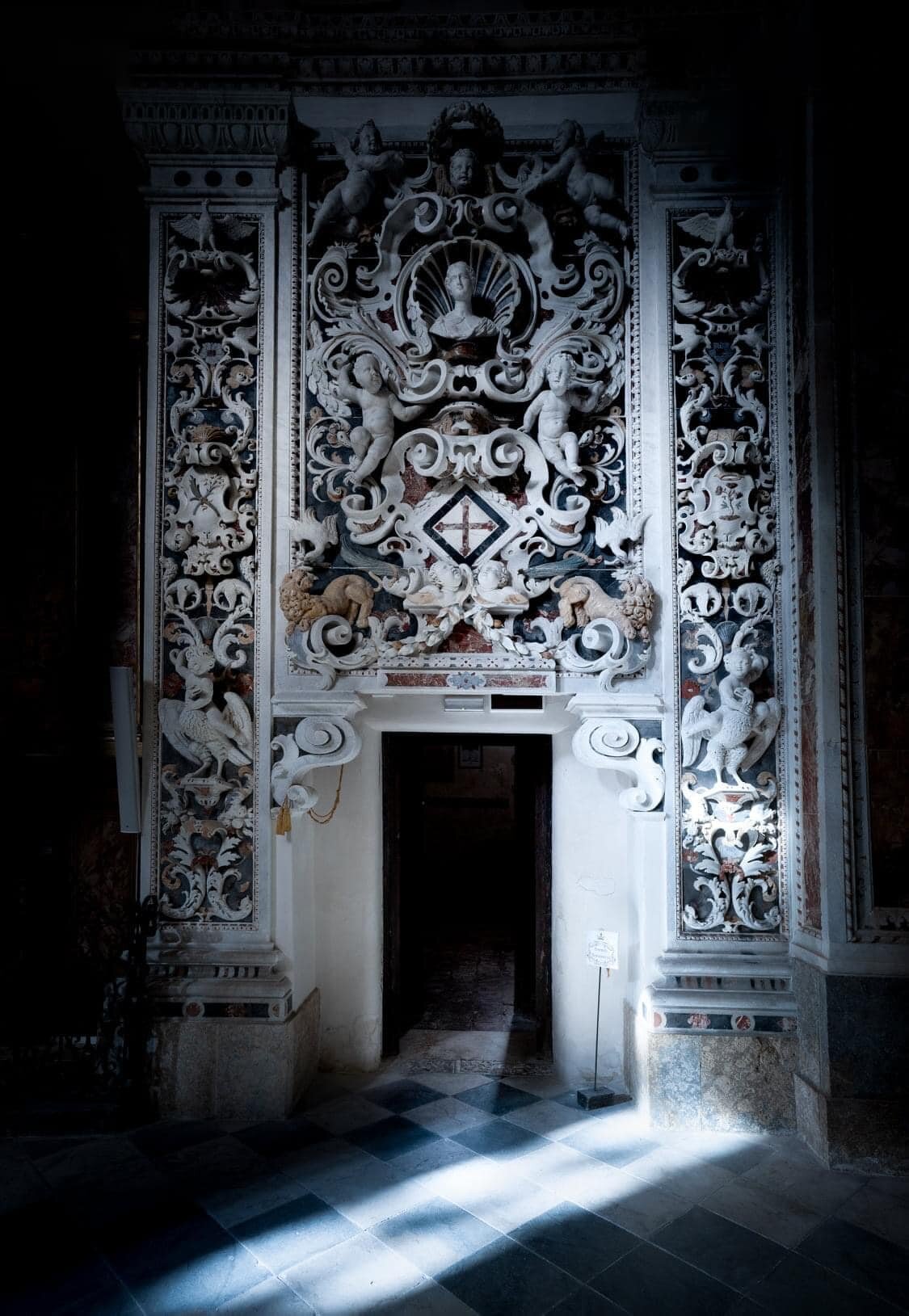
Trapani's old town spreads across a slender peninsula between the harbour sea and the open sea, along the pedestrian axis of via Garibaldi and its continuations. It is a weave of Baroque palaces, precious churches and courtyards, where every glimpse ends in a flash of blue. Founded by the Elymians as the port of Erice more than three thousand years ago, Trapani was Carthaginian, Roman, Norman and Aragonese; in 1478 Ferdinand the Catholic proclaimed it "Invittissima" (Most Unconquered) and in 1535 Charles V hailed it as the "Key of the Kingdom". Strolling through the centre at sunset, when the stone catches fire and the sea slips in from every street, is the best way to understand it.
The salt pans, the windmills and the salt of Trapani
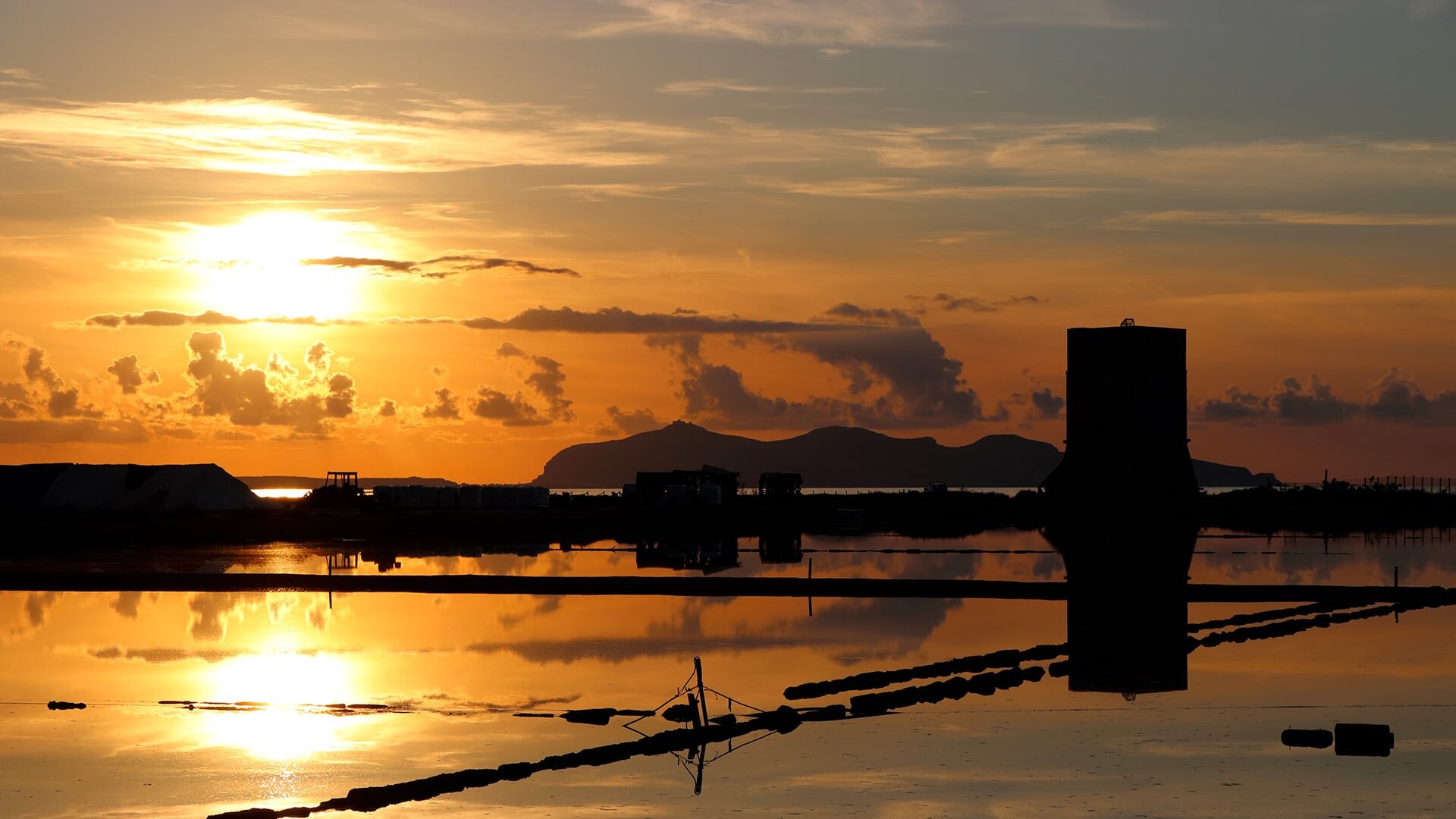
South of the city lies one of Sicily's most iconic landscapes: the salt pans of Trapani and Paceco, today a Nature Reserve managed by the WWF. Geometric basins that turn pink, purple and gold at sunset, white mounds of salt covered with tiles, and the windmills that for centuries pumped the water and ground the salt. Here they produce the celebrated Trapani PGI sea salt, still harvested by hand according to age-old traditions. The Via del Sale (Salt Road) links Trapani to Marsala, crossing the Stagnone lagoon and the island of Mozia: one of the most beautiful scenic roads on the island, to be travelled slowly, above all as the sun goes down.


The Misteri: the Good Friday procession
No rite tells the story of Trapani like the Misteri. On Good Friday twenty sculptural groups of wood and canvas — created between the seventeenth and eighteenth centuries and depicting the Passion of Christ — leave the Chiesa del Purgatorio and are carried on shoulders through the streets of the city in a procession that lasts almost twenty-four hours, among the longest in Italy. Each Mistero is entrusted to an ancient guild or trade (the fishermen, the bakers, the masons…) that cares for it all year round. The measured tread of the bearers, the swaying "annacate", the music of the bands and the crowd in the night make up an experience of faith and identity that touches deeply even those watching from outside.
The Torre di Ligny and the harbour to the Egadi
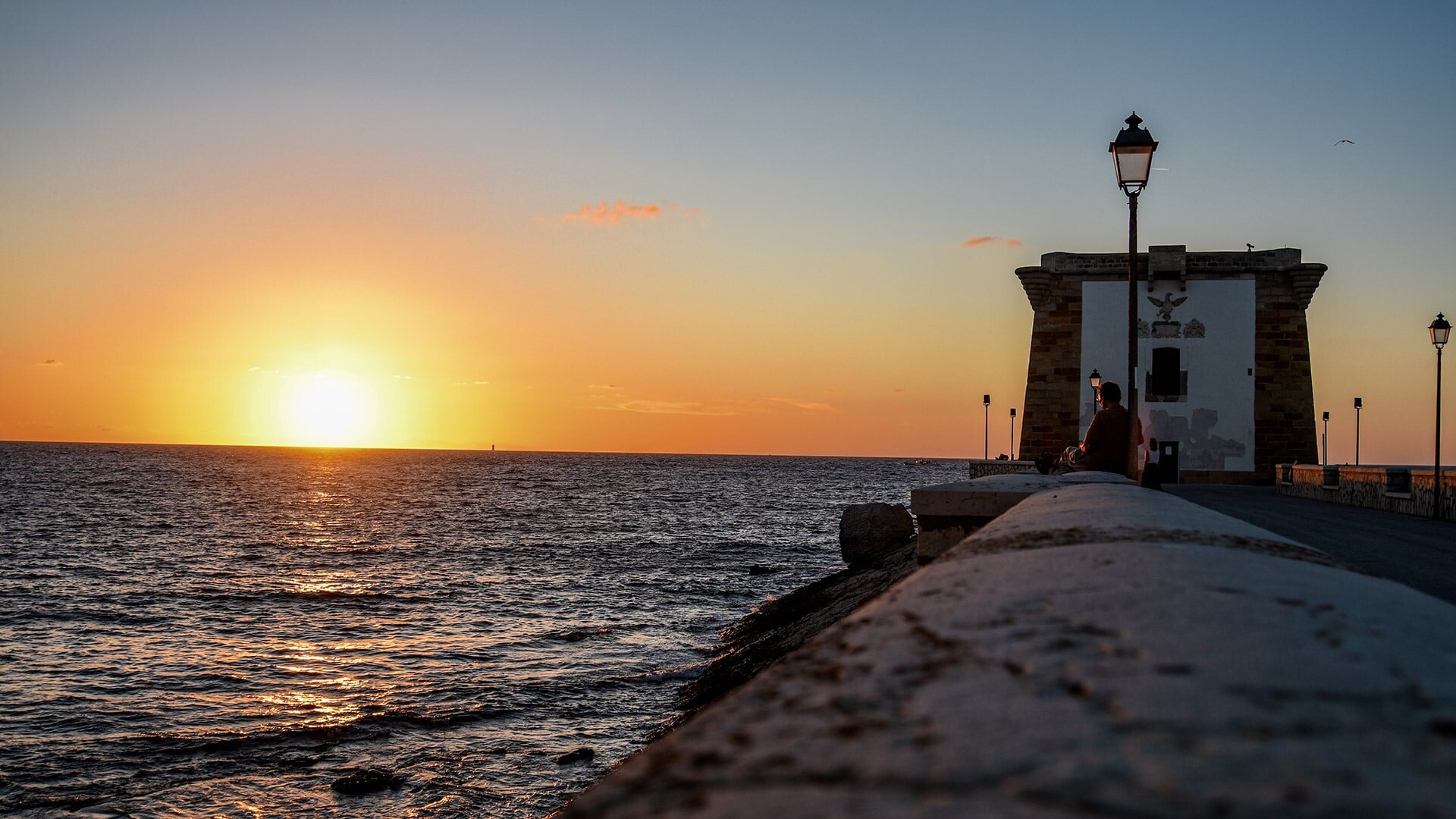
At the far tip of the sickle, where the two seas meet, rises the Torre di Ligny, a seventeenth-century bastion today home to a museum and a spectacular balcony over the blue. From here the gaze embraces the harbour, from which every day hydrofoils and ferries set sail for the Egadi Islands — Favignana, Levanzo, Marettimo — just a few minutes' sailing away. And it is from the very centre that the cable car departs, climbing in a handful of minutes to the medieval village of Erice, perched on the mountain: two worlds close together yet opposite, the sea and the summit, joined by a cabin suspended in the void.
Coral, cous cous and flavours of the sea
Trapani has been the capital of coral for centuries: from the seventeenth and eighteenth centuries its master coral-workers produced jewellery and sacred works of extraordinary refinement, admirable today in museums and workshops. And then there is the cuisine, salty and Mediterranean: the fish cous cous, a legacy of nearby Africa, and the busiate with pesto alla trapanese — tomato, almonds, garlic and basil — pasta rolled by hand around a rod. The fish from the market, the tuna, the prawns: in Trapani the sea always ends up on the plate.
When to go
Frequently asked questions about Trapani
How much time do you need to visit Trapani?
For the old town, the Torre di Ligny and a sunset at the salt pans, one full day is enough. Adding a trip to the Egadi, the ride up to Erice by cable car and the Via del Sale as far as Mozia, two or three days let you experience Trapani and its surroundings at a leisurely pace.
When do the Misteri of Trapani take place?
The Misteri procession is held on Good Friday and continues for almost twenty-four hours, ending on Holy Saturday. Twenty sculptural groups of the Passion are carried on shoulders through the city. It is one of the oldest and longest religious events in Italy.
How do you visit the salt pans and the Via del Sale?
The salt pans of Trapani and Paceco can be visited along the road leading to Nubia (Salt Museum) and continuing towards Marsala on the Via del Sale, which runs alongside the Stagnone lagoon and Mozia. The best moment is sunset, when the basins take on colour. Guided visits and experiences in the working salt pans are available.
How do you reach the Egadi Islands from Trapani?
From the port of Trapani hydrofoils and ferries depart every day for Favignana, Levanzo and Marettimo. The crossing takes from about twenty minutes to an hour depending on the island and the vessel. In summer it is best to book in advance.
Is there a cable car to Erice?
Yes. The Trapani-Erice cable car links the city to the medieval village of Erice on the mountain in about ten minutes, with spectacular views over the salt pans, the harbour and the Egadi. It is one of the most striking ways to reach Erice; check the timetables and opening days.
What to eat in Trapani?
The signature dishes are fish cous cous and busiate with pesto alla trapanese (tomato, almonds, garlic, basil). The fresh fish, the tuna and the seafood from the city market are also excellent. Do try the almond sweets and the granita.
Find out more
For official information, the calendar of the Misteri, museum opening hours and visitor services, consult the official website of the Municipality of Trapani.
 Is not it what you were looking for? Review your choice


 Accommodation
 Event
Event
 All services
 How to get there
 Weather forecast