

locality
Salemi

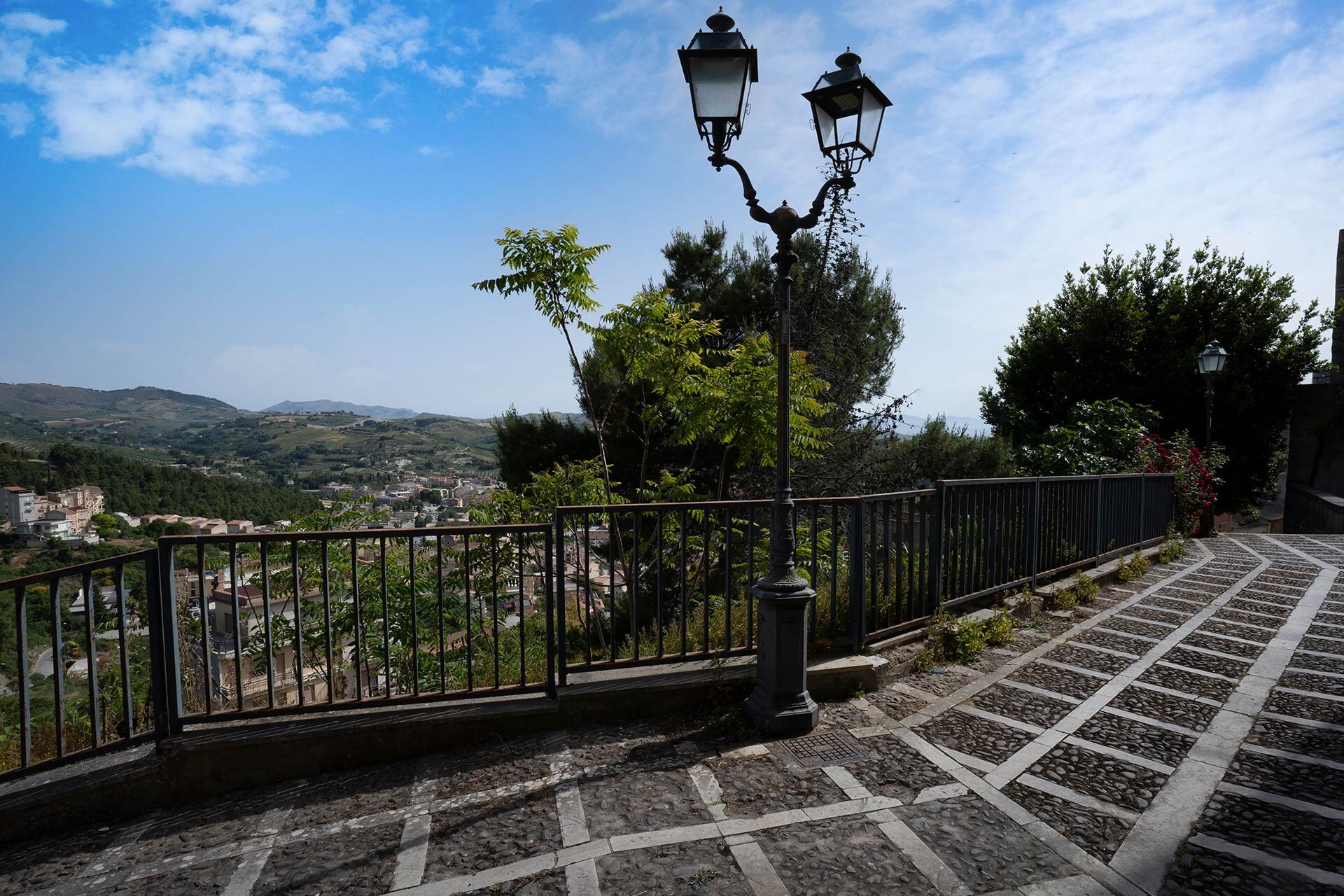
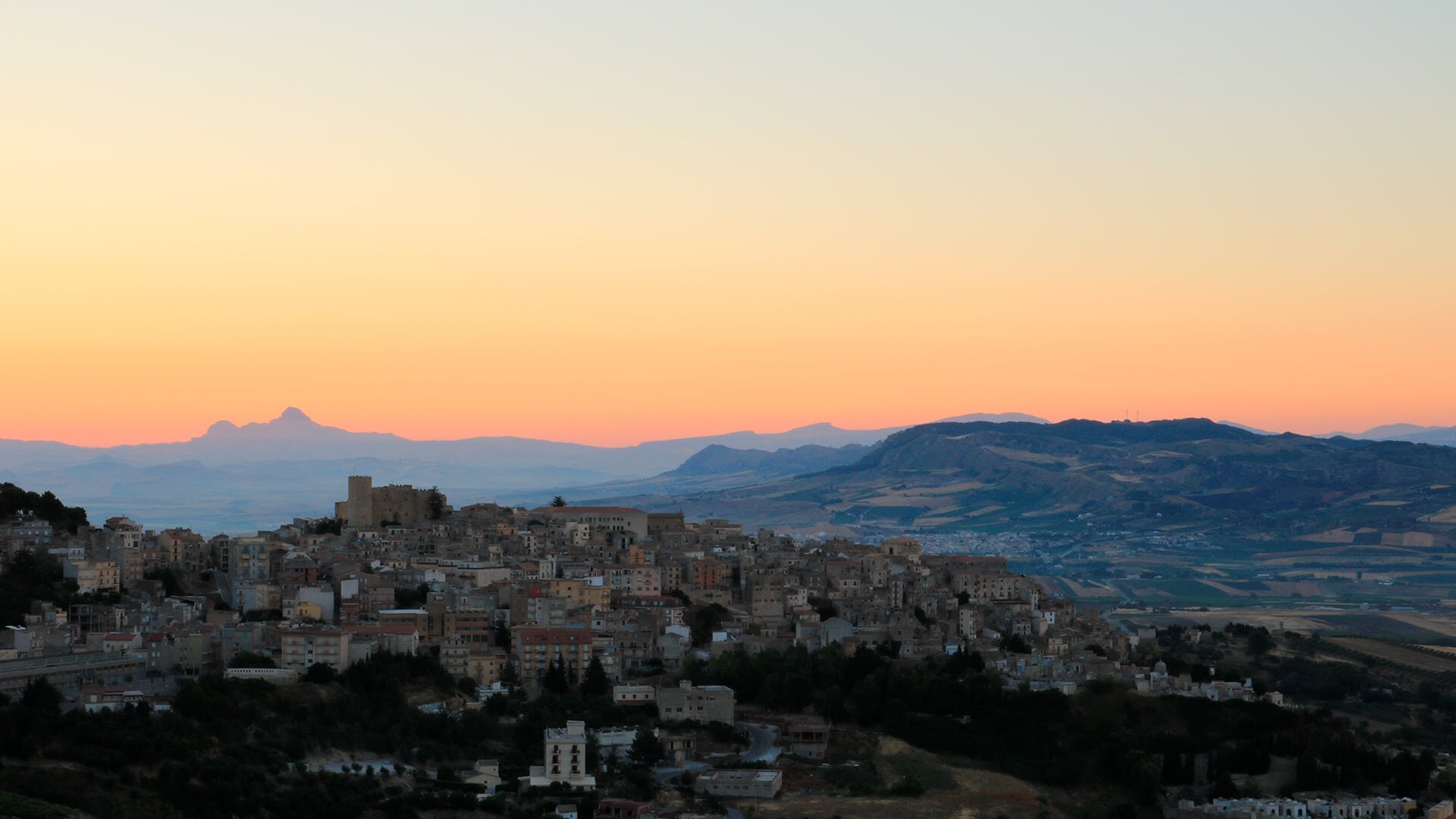
There is a village of golden stone, perched on the hills of the Belice, that for a single day was the capital of Italy. It happened on 14 May 1860: Giuseppe Garibaldi, having just landed in Sicily with the Thousand, climbed up to Salemi and from the castle tower raised the Italian tricolour with his own hands, proclaiming himself dictator in the name of Vittorio Emanuele II. For twenty-four hours Salemi was the heart of Italy — and it has never forgotten that pride.
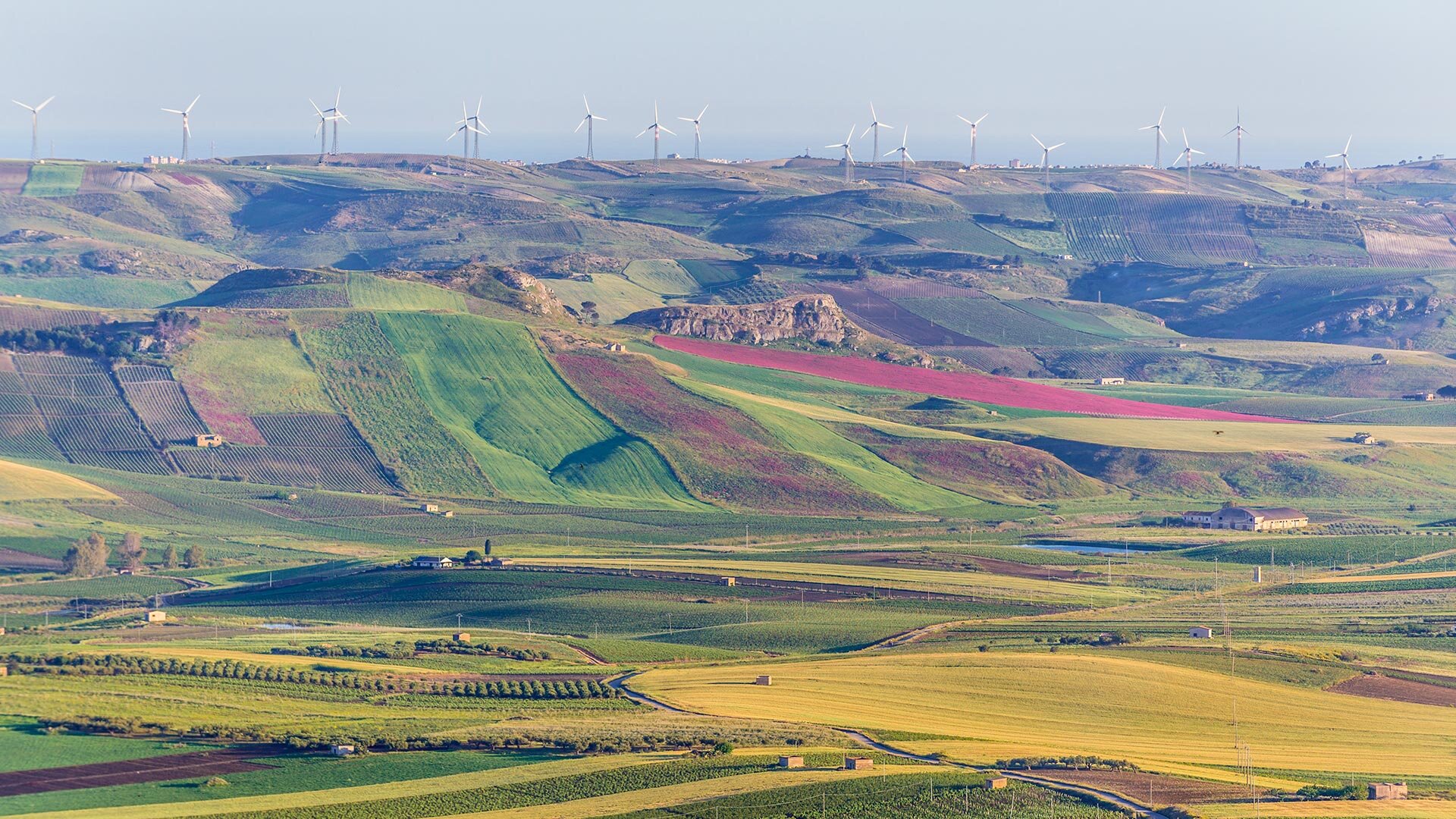
But Salemi is much more than a single day of history. It is the ancient Halyciae of the Elymians, a labyrinth of alleys that bear the names of its souls — the Arab Rabato, the Jewish Giudecca —, a Mother Church that the 1968 earthquake turned into an open-air cathedral, the "City of Breads" that every March builds altars of bread for San Giuseppe. One of the Borghi più belli d'Italia (Most Beautiful Villages in Italy), where every stone has a story to tell.
"For one day, on 14 May 1860, the capital of Italy was here: on the tower of Salemi's castle the first tricolour was flown."
— From the history of the Risorgimento
The Castle and the first capital of Italy
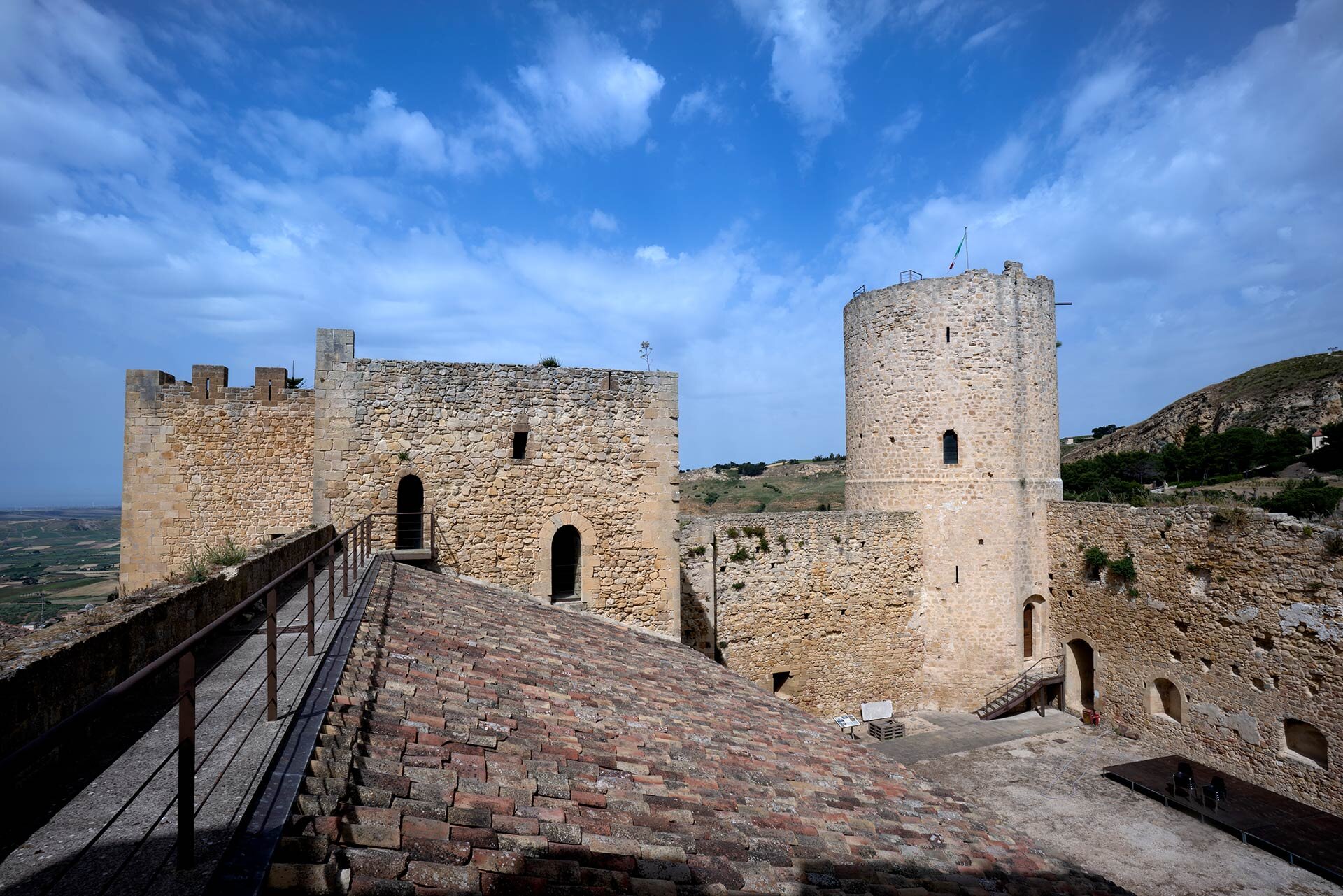
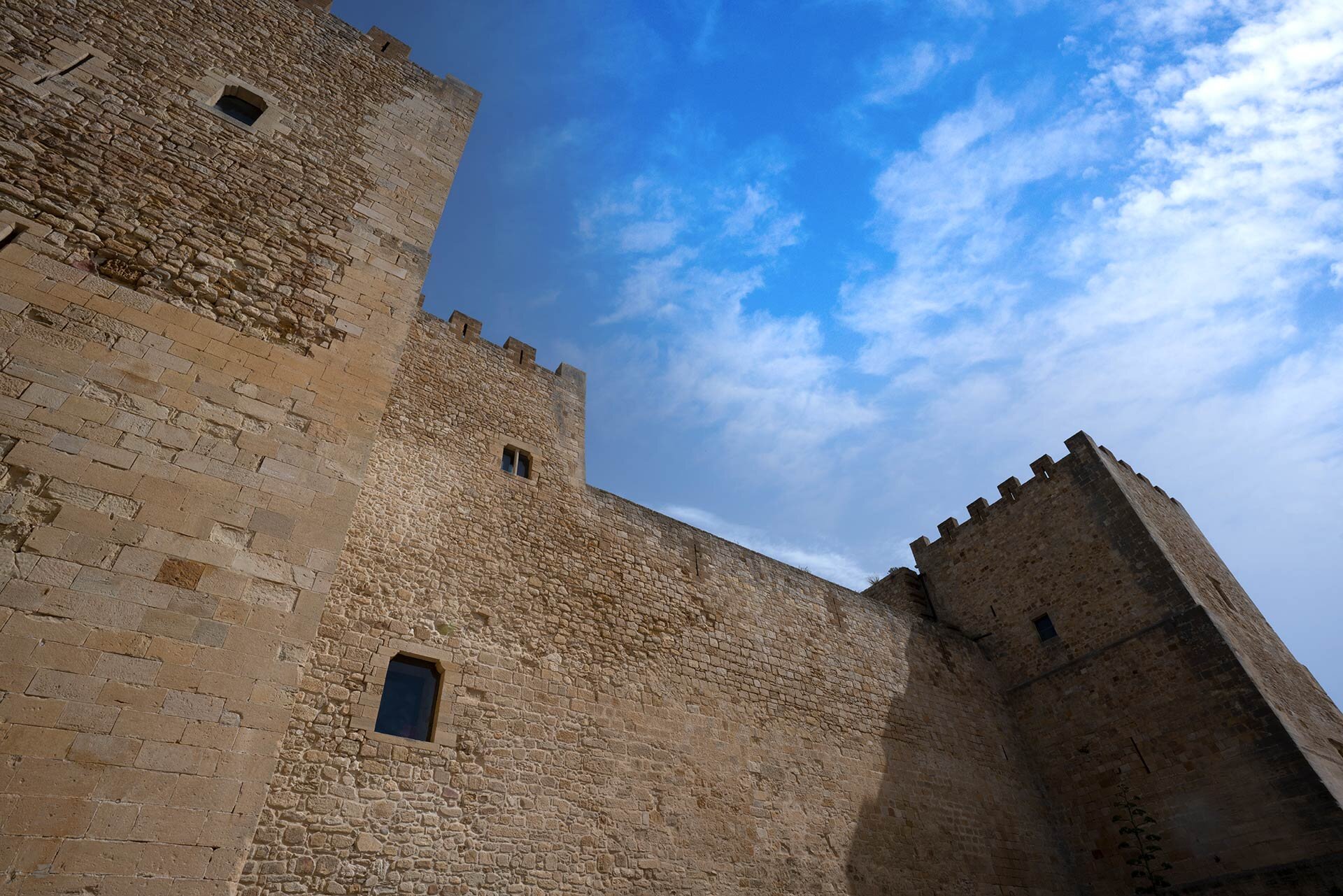
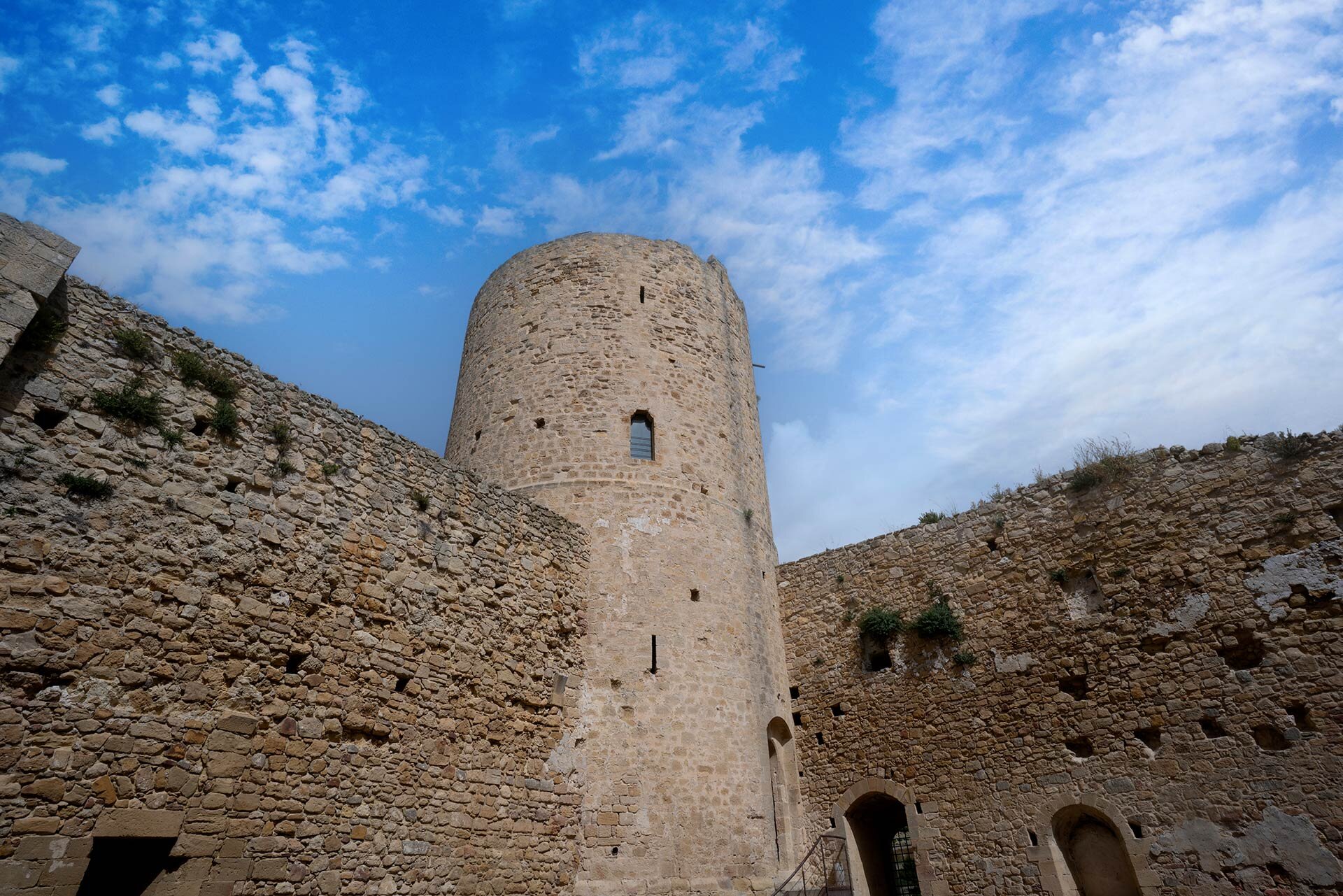
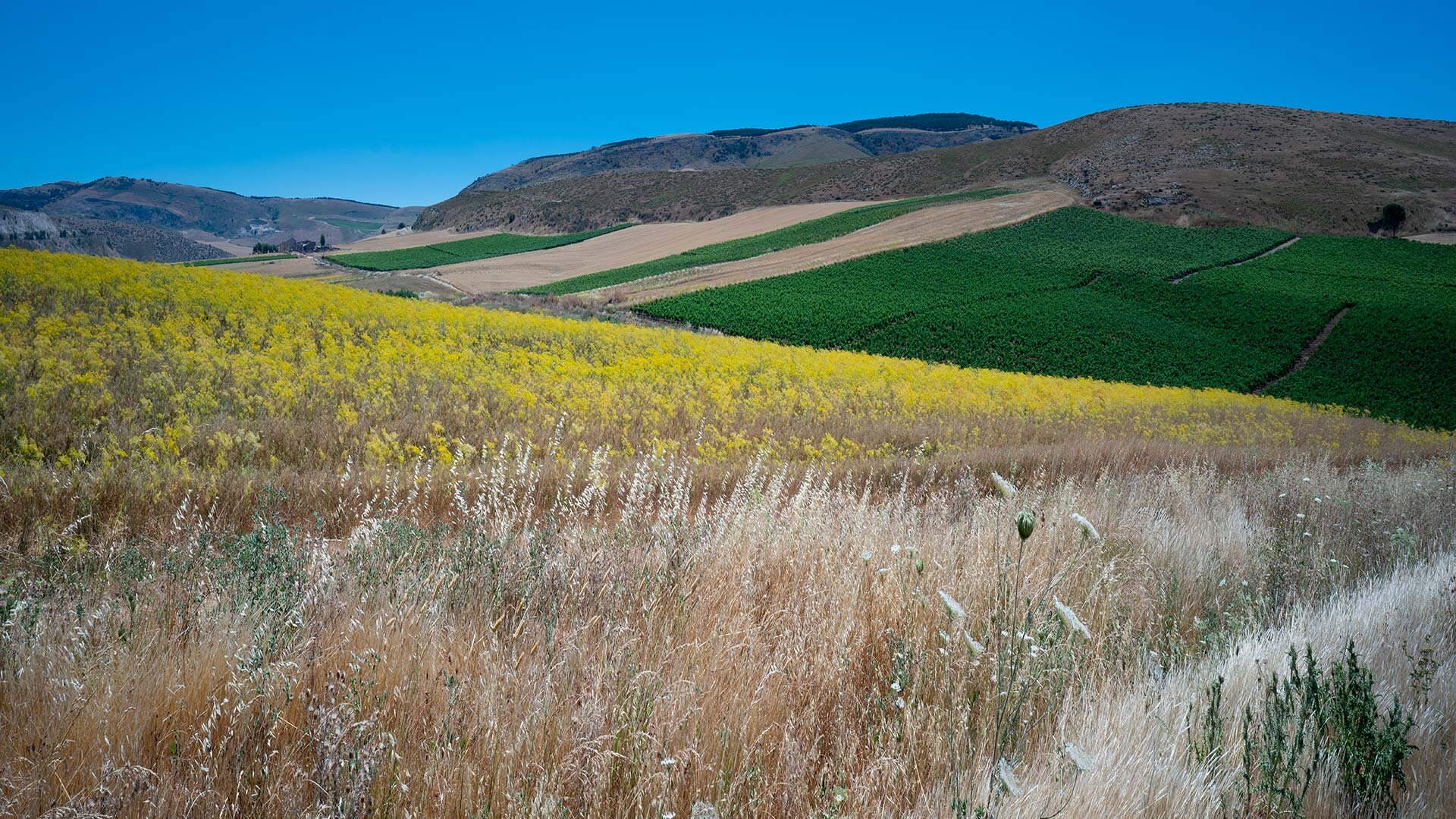
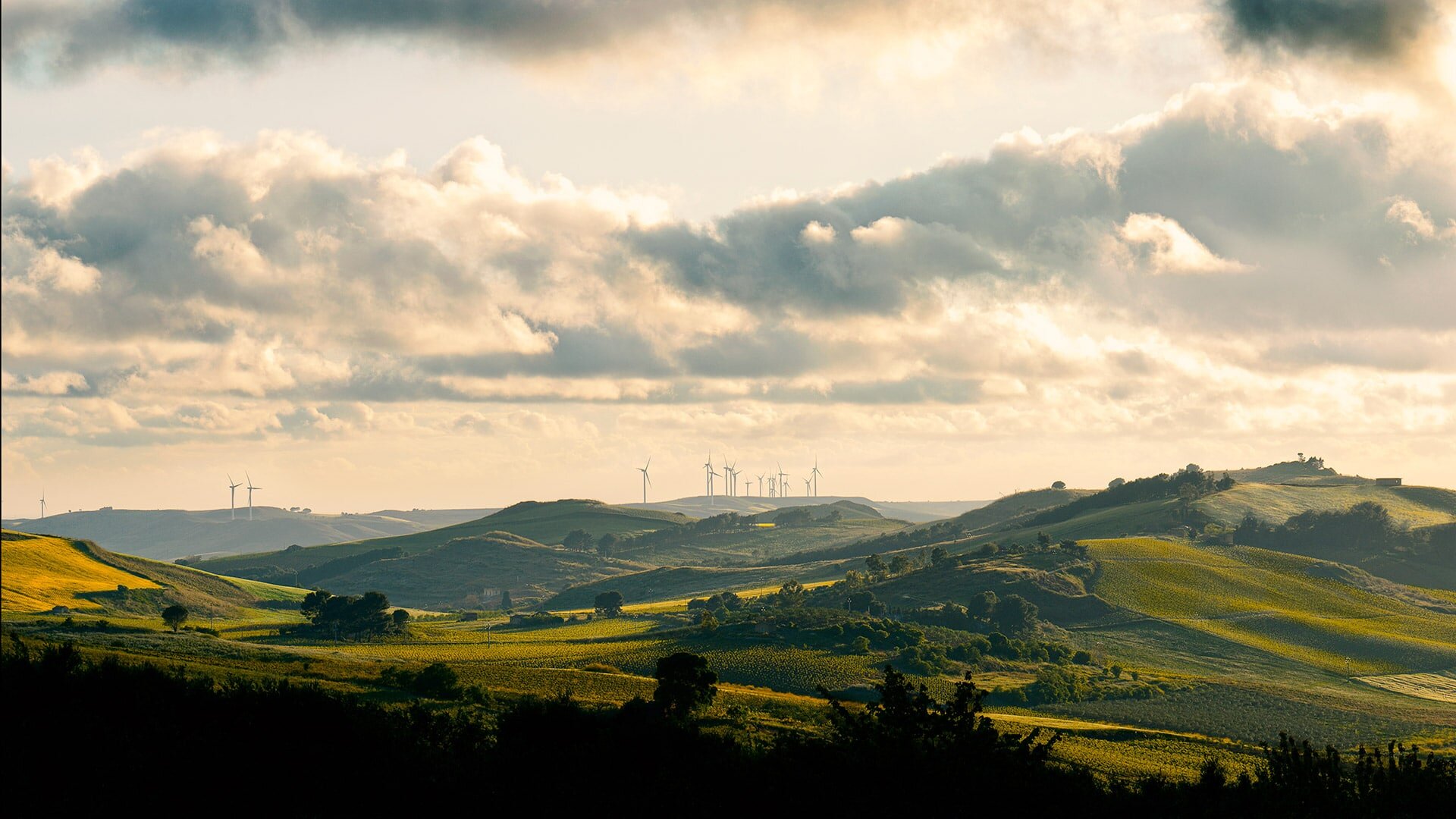
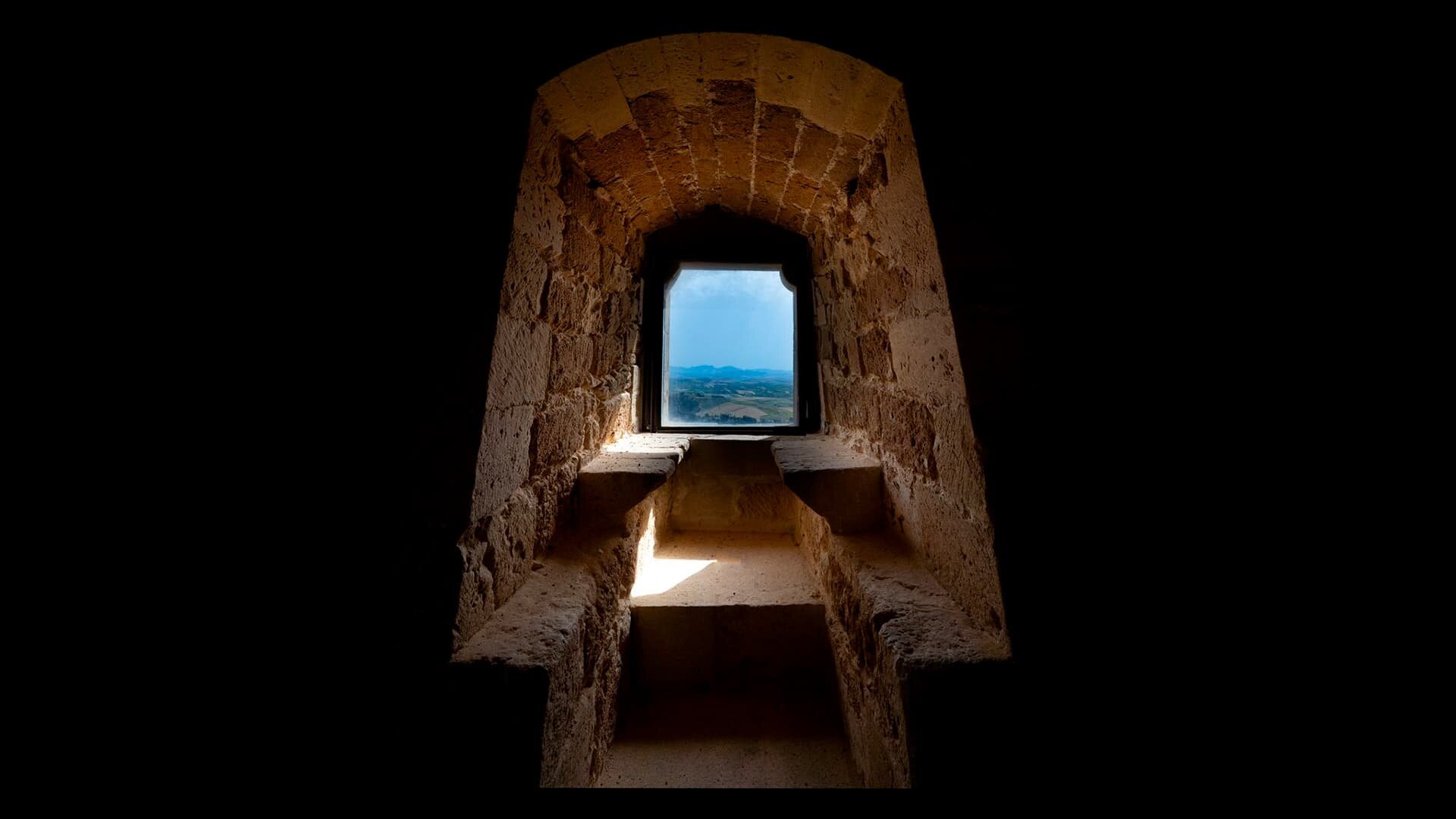
The Norman-Swabian Castle, with its unmistakable cylindrical tower, dominates Salemi and the Belice valley all the way to the sea. Built around 1077 in the Norman era and remodelled by Frederick II of Swabia in the thirteenth century, it is the symbol of the town: it was from this very tower that, on 14 May 1860, Garibaldi raised the tricolour, making Salemi the first capital of the future Kingdom of Italy. Today the castle can be visited and hosts events and exhibitions, while from the top the eye takes in a sea of hills, vineyards and olive groves.
The Mother Church: an open-air cathedral
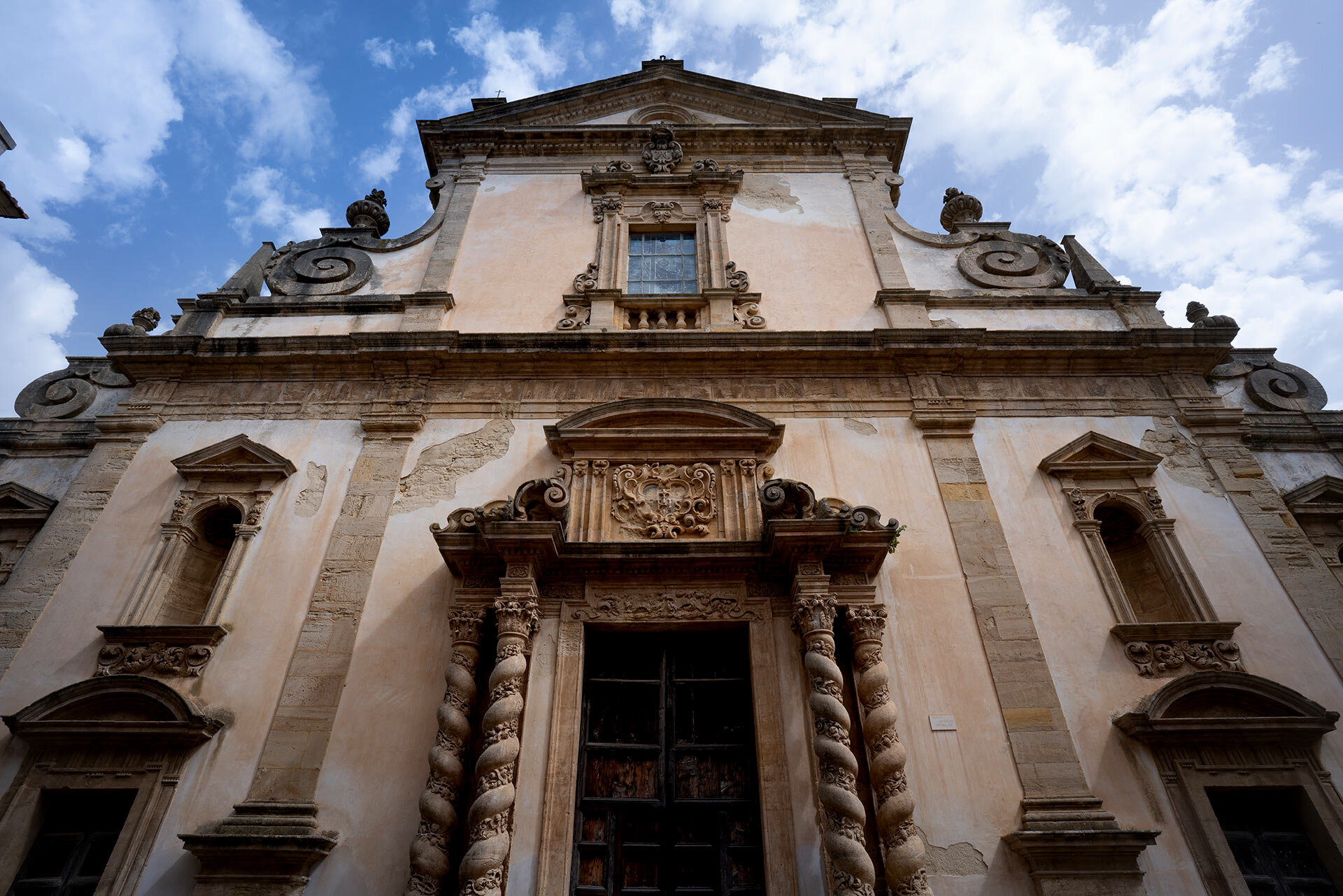
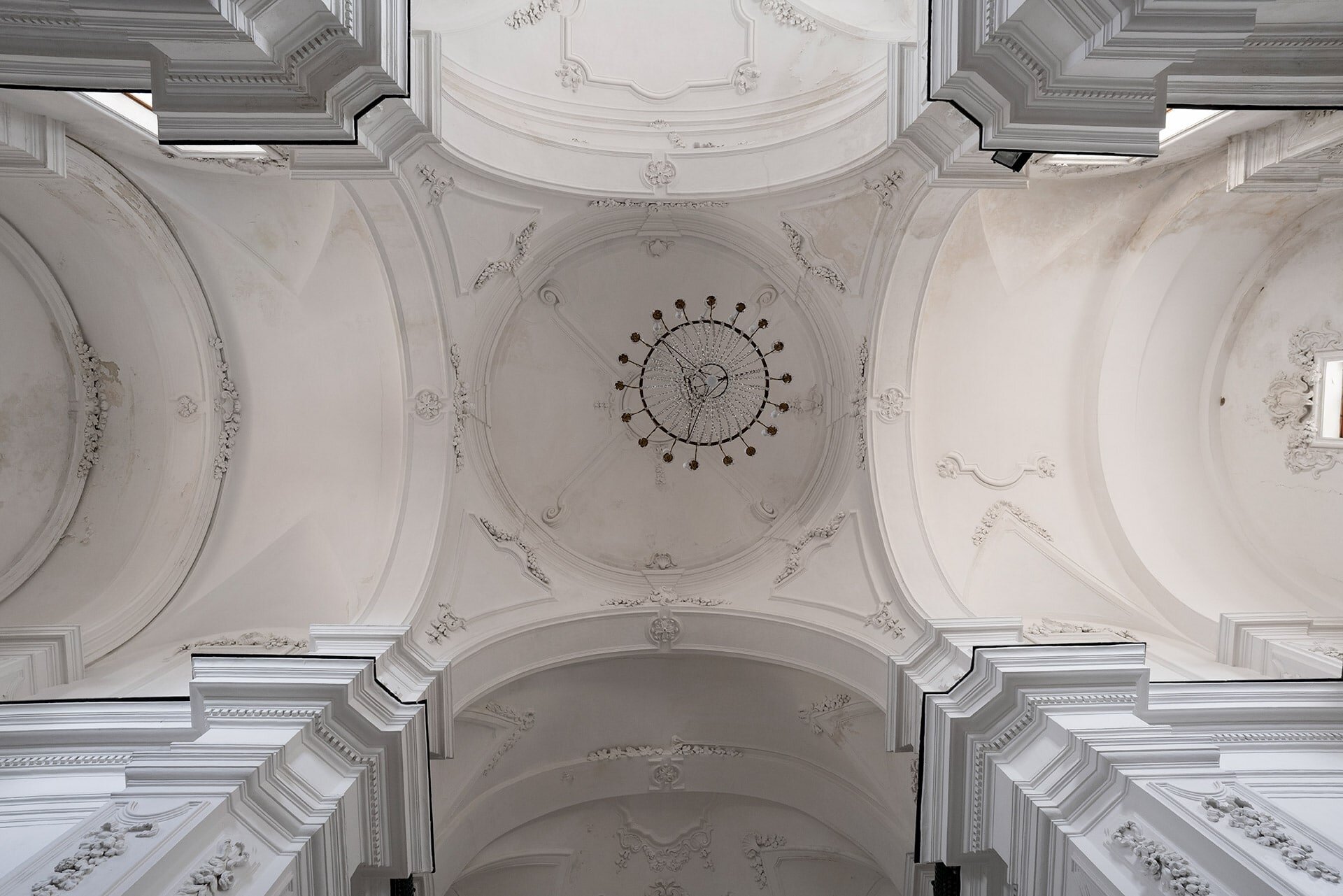
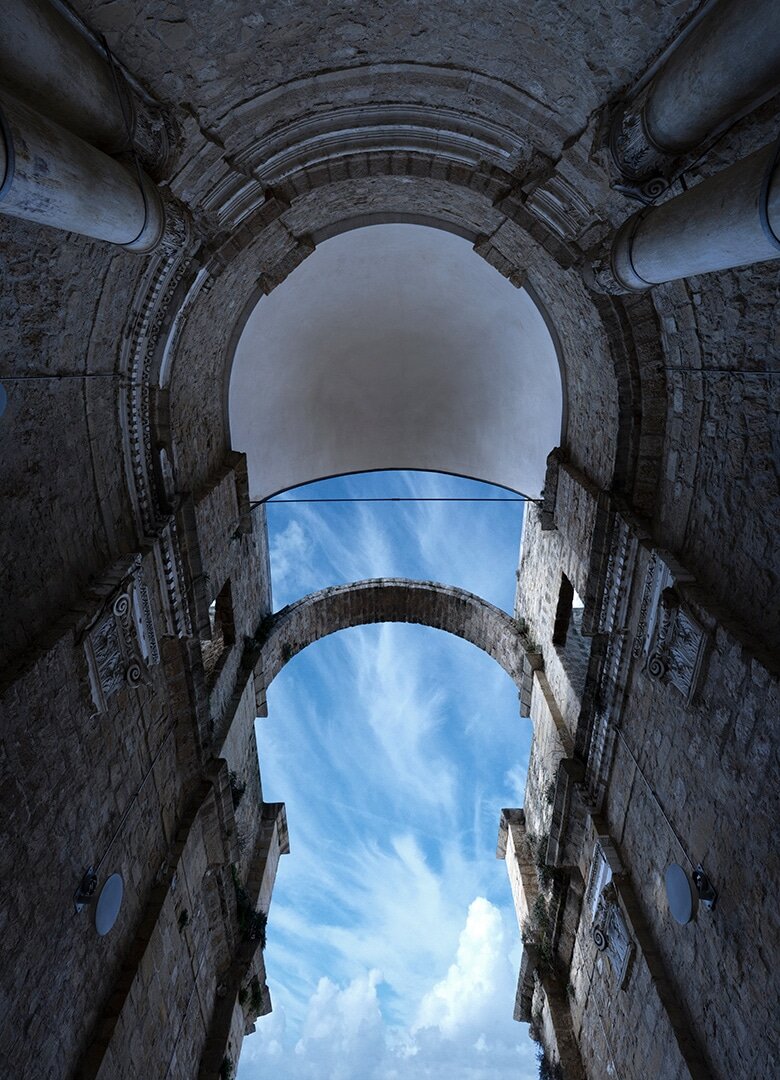
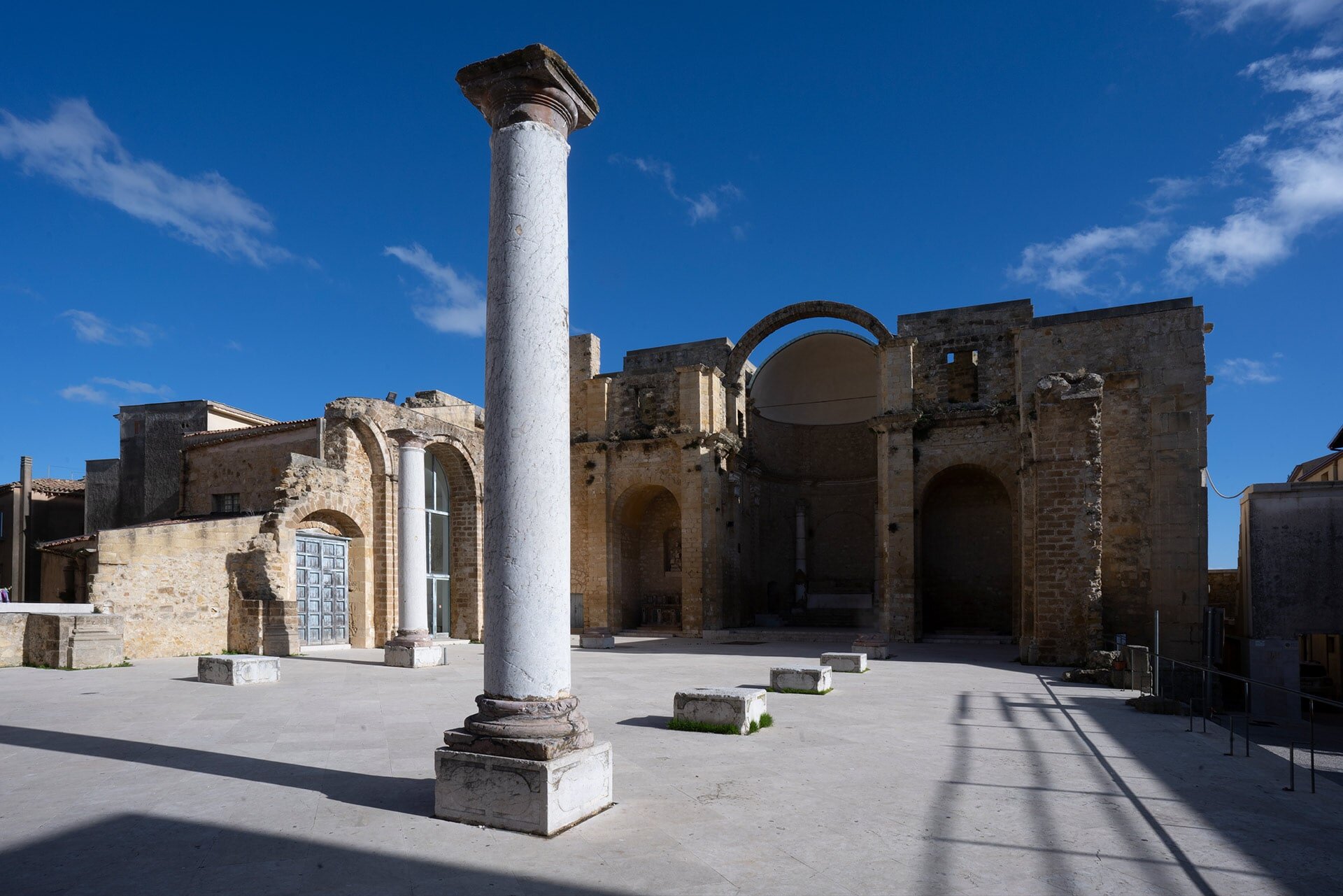
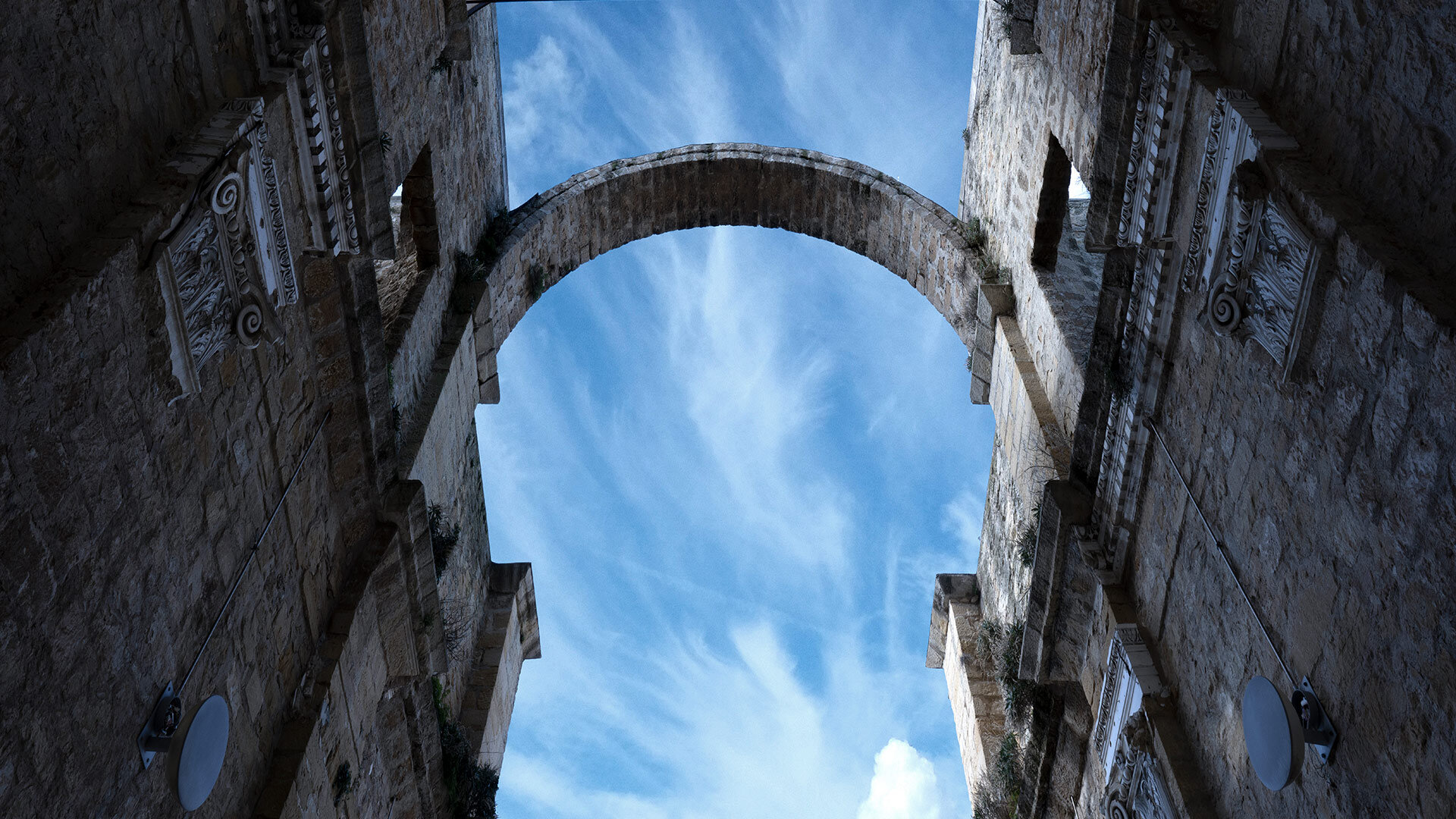
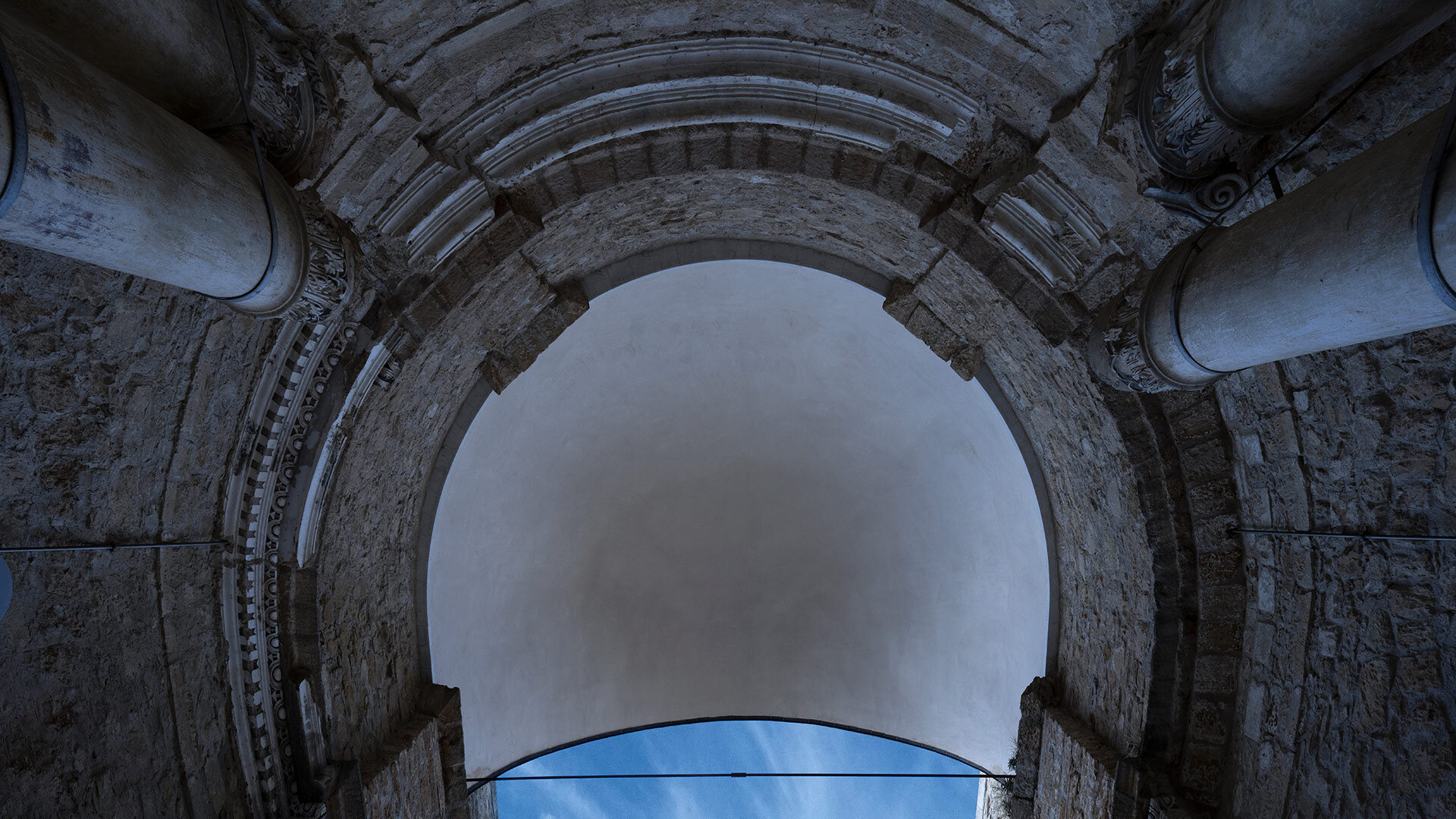
In the heart of the old town rises — or rather, opens up — the former Mother Church, one of the most moving places in western Sicily. Begun in 1615 to a design by Mariano Smiriglio and completed in 1761, it was severely damaged by the 1968 Belice earthquake: the nave and the roof collapsed. Instead of rebuilding it, the choice was made to preserve its ruins as a monument to memory, with an intervention by the Portuguese architect Álvaro Siza: broken columns, surviving apses and the sky in place of the roof today compose a scene suspended between ruin and poetry.


The old town: Rabato and Giudecca
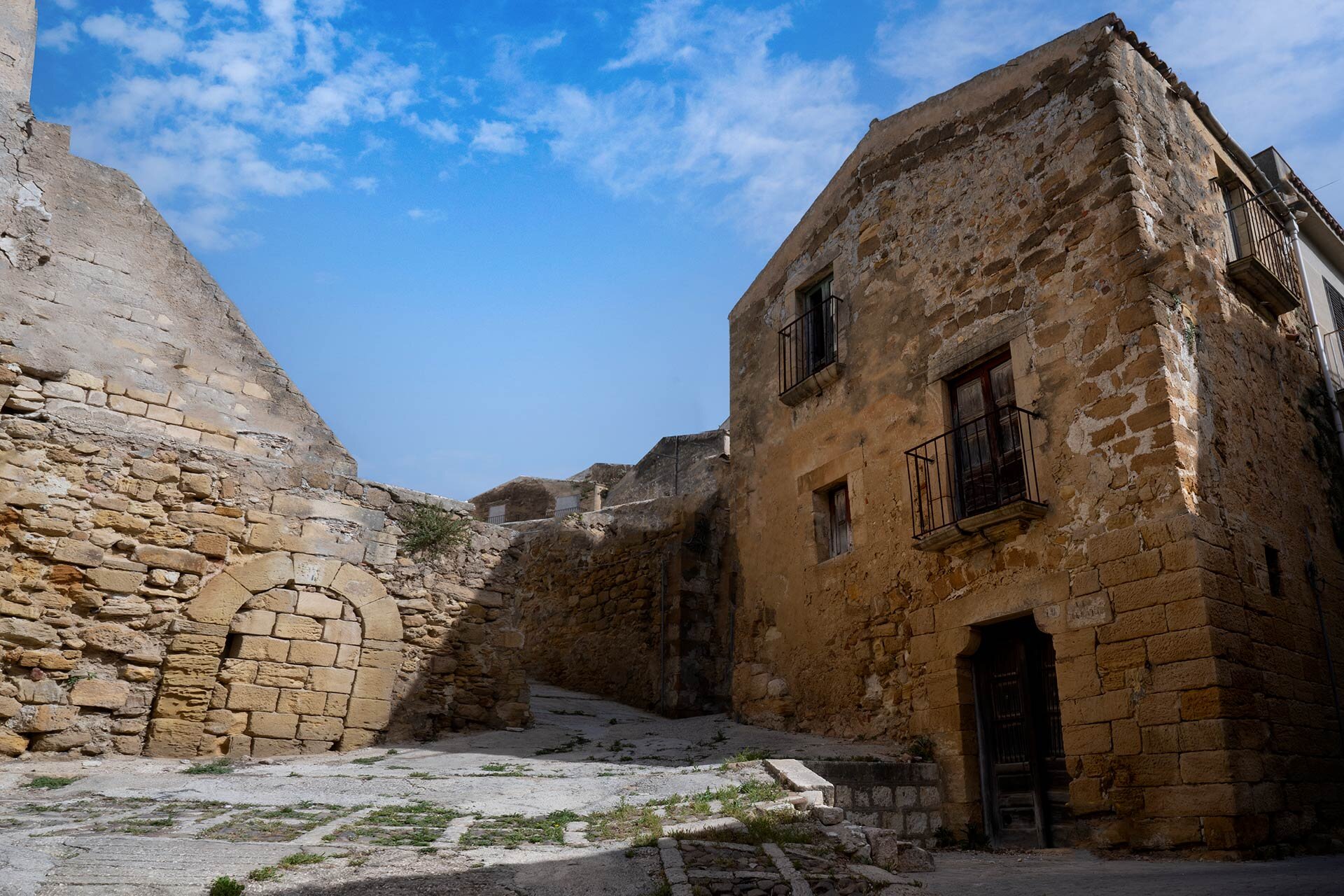
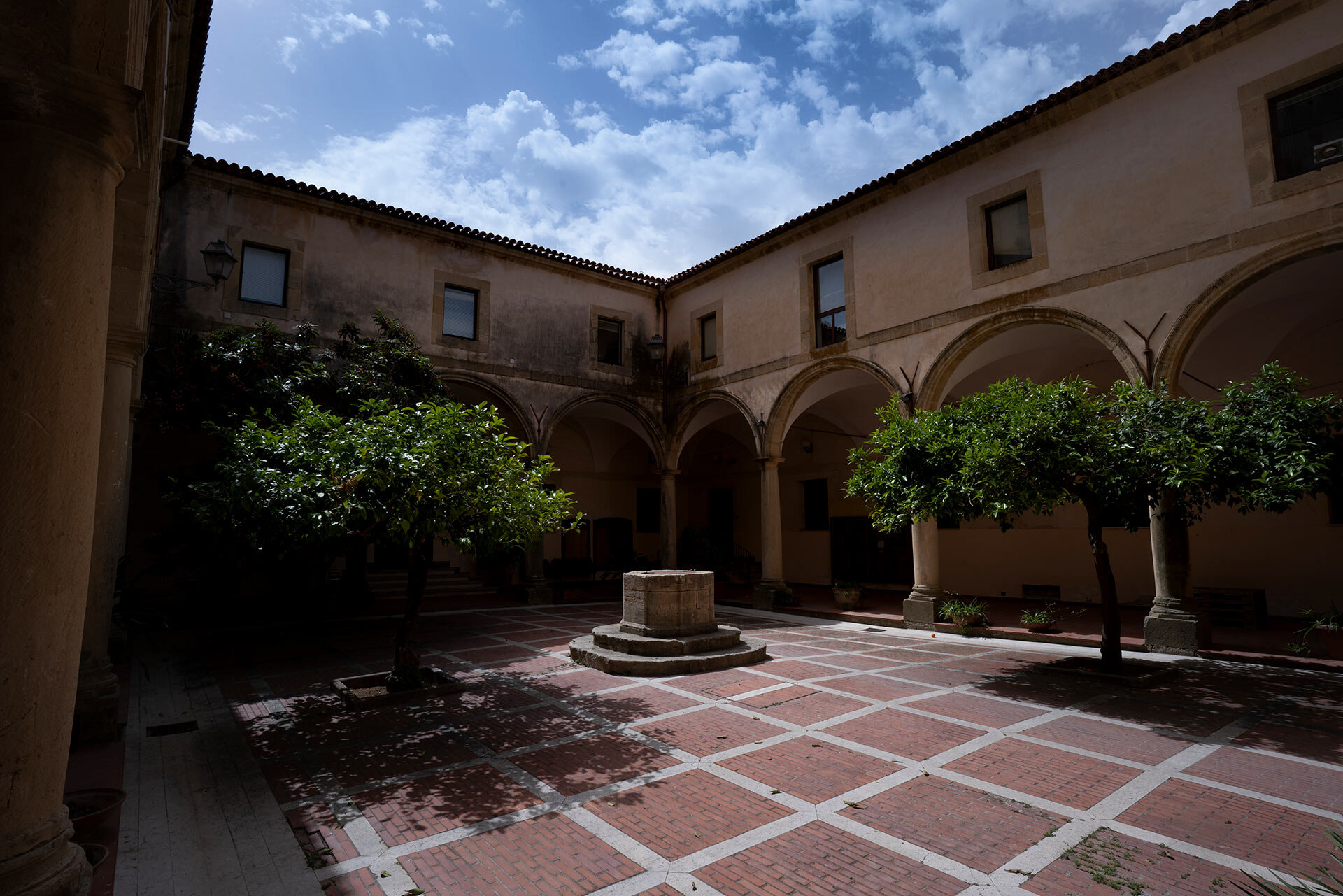
Salemi tells its story on foot. Its old town preserves the imprint of the civilisations that inhabited it: the Rabato, the ancient quarter of Arab origin with its narrow alleys and courtyards, and the Giudecca, the Jewish district, bear witness to a thousand years of coexistence between Christians, Muslims and Jews. Among staircases, arches and flower-filled balconies you reach the Collegio dei Gesuiti, today home to the town's museums. It is this interweaving of history and beauty that earned Salemi its place in the club of the Borghi più belli d'Italia (Most Beautiful Villages in Italy).
The City of Breads and the feast of San Giuseppe
Salemi is the "City of Breads": here bread is not just food, but art and devotion. The most spectacular moment is the feast of San Giuseppe, on 19 March, when families set up great votive altars covered with ritual breads — the cuddureddi — hand-modelled into the shapes of animals, flowers, tools and sacred symbols, together with citrus fruits and the ever-present sfinci. An ancient rural tradition that turns the whole village into an ephemeral museum of bread. Local cuisine also offers Vastedda del Belice DOP and homemade busiate.
When to go
Frequently asked questions about Salemi
Why was Salemi the first capital of Italy?
On 14 May 1860 Giuseppe Garibaldi, having landed in Sicily with the Thousand, climbed up to Salemi and raised the tricolour on the castle tower, proclaiming himself dictator in the name of Vittorio Emanuele II. For one day Salemi was the capital of the emerging Kingdom of Italy.
What to see in Salemi?
The Norman-Swabian Castle, the striking former Mother Church reduced to a ruin by the Belice earthquake, the historic Rabato and Giudecca quarters, the Collegio dei Gesuiti with its civic museums. Half a day is enough for the town centre; a full day to enjoy it at leisure.
What is the feast of San Giuseppe in Salemi?
On 19 March Salemi, the "City of Breads", sets up great votive altars covered with hand-modelled ritual breads (the cuddureddi), citrus fruits and sfinci. It is one of the most spectacular traditions of western Sicily, of rural and devotional origin.
How do you get to Salemi?
By car from the A29 (Palermo-Mazara), Salemi exit, then provincial roads. About 45 minutes from Trapani Birgi airport, about an hour and a half from Palermo. A car is recommended to reach the area and get around it.
Why is the Mother Church a ruin?
The Mother Church (1615-1761) was severely damaged by the 1968 Belice earthquake. The choice was made to preserve its ruins as a monument to memory, with an intervention by the architect Álvaro Siza: today it is a striking "open-air cathedral".
What to eat in Salemi?
Vastedda del Belice DOP (sheep's cheese), hand-made busiate, bread in all its forms and the sweets of San Giuseppe such as sfinci. Salemi is a land of Belice wine and oil.
Discover more
For official information, castle and museum opening hours, the events calendar and visitor services, see the official website of the Municipality of Salemi.
 Is not it what you were looking for? Review your choice


 Accommodation
 Event
Event
 All services
 How to get there
 Weather forecast