

locality
Calatafimi-Segesta

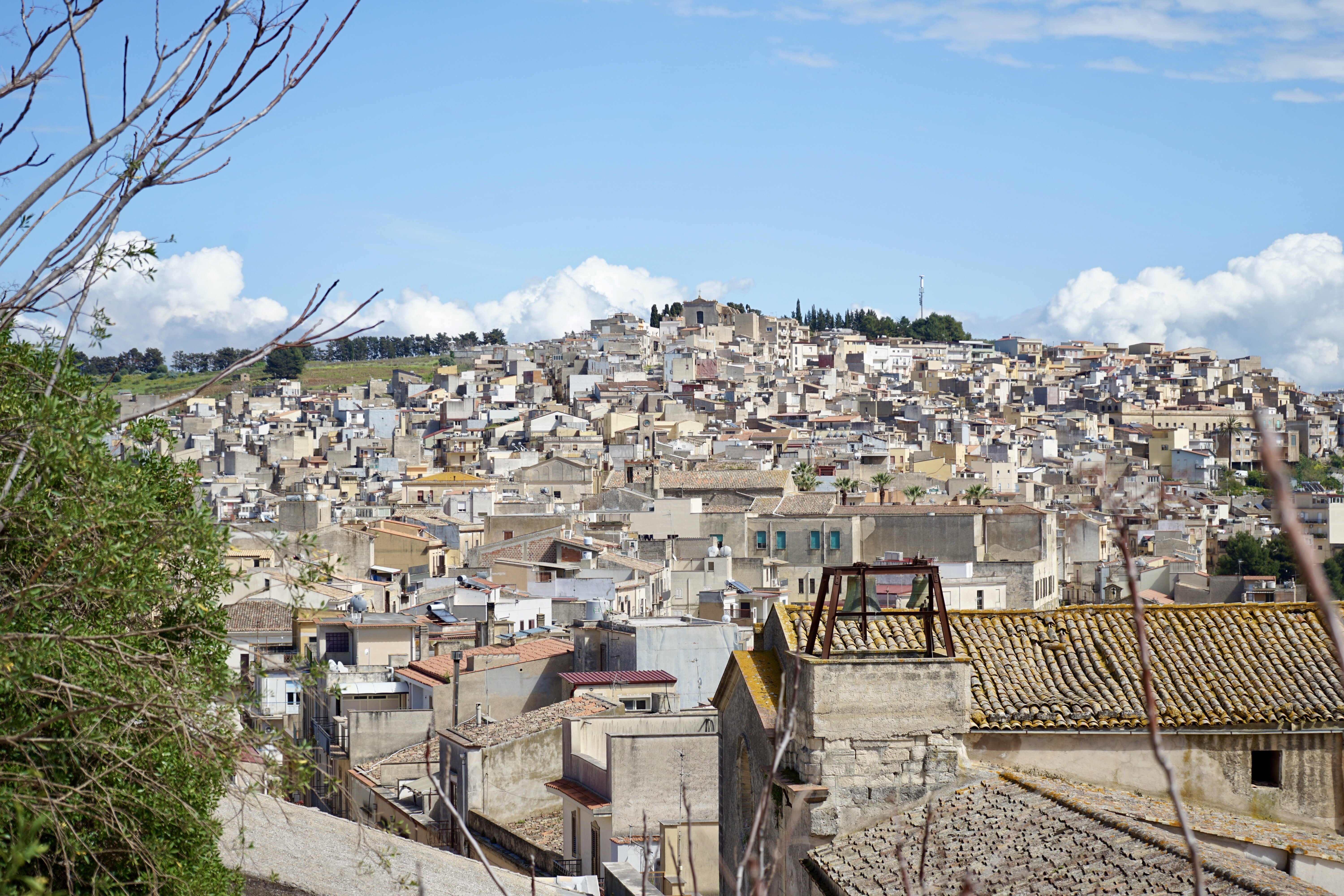
There is a name that tells three thousand years of history in three words: Qal'at Fimi, the "fortress of Eufemio", from which the Arabs christened the village we now call Calatafimi-Segesta. A maze of lanes and narrow streets of clear Muslim stamp climbs towards the ruins of the castle, while a few kilometres away, isolated on a hill, watches one of the most perfect Doric temples of the ancient world — and the most mysterious, because no one ever finished it.
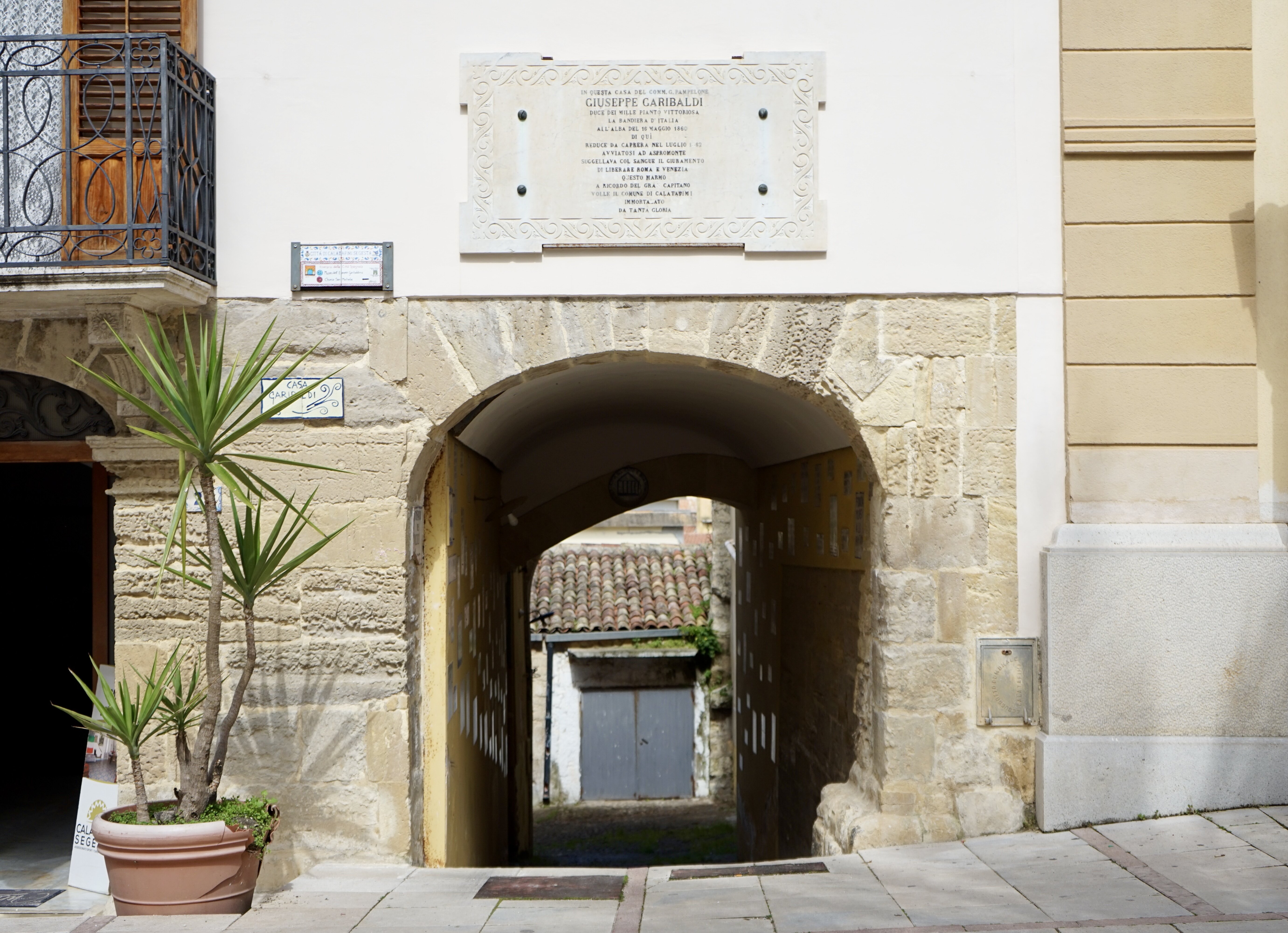
Calatafimi-Segesta is a place of thresholds and crossings, in the heart of western Sicily between Trapani and the Gulf of Castellammare. Here coexist the Elymian city of Segesta, rival of Selinunte, the temple and the Greek theatre on Monte Barbaro, the Norman-Swabian castle and the hill of Pianto Romano, where in 1860 Giuseppe Garibaldi won the first battle that opened the road to the Unification of Italy. Few villages pack so much history into a single glance.
"Here we make Italy or we die."
— Giuseppe Garibaldi to Nino Bixio, Calatafimi, 15 May 1860
The Arab village and Eufemio's castle
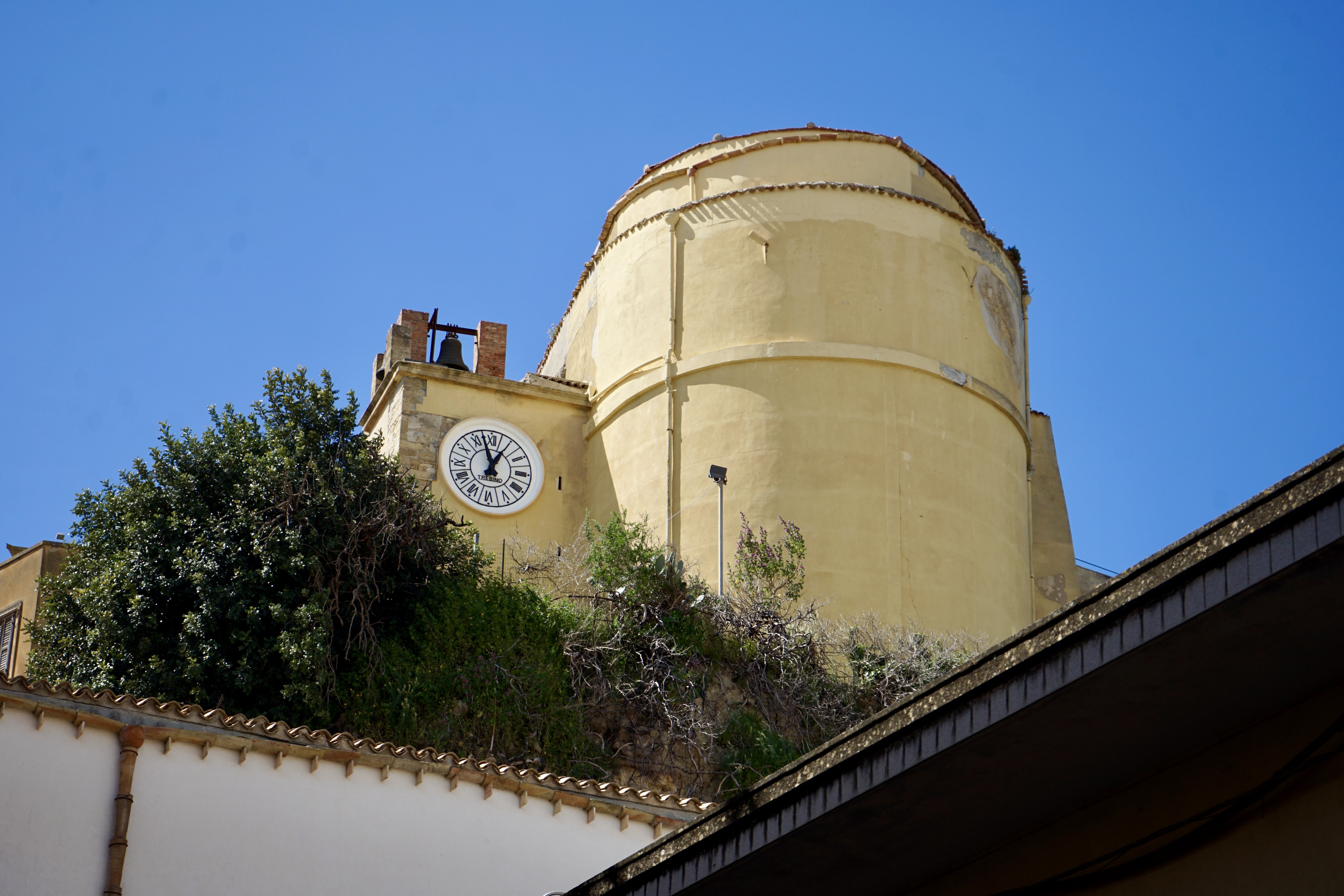
The town was born around Eufemio's Castle, the fortress perched on a limestone height that dominates the settlement and gives it its name. "Eufemio" was a Byzantine officer who, according to tradition, favoured the Muslim conquest of Sicily: from the Arabic Qal'at Fimi, "castle of Eufemio", comes Calatafimi. The stronghold already appears in the writings of the geographer al-Idrisi as a fortress with an attached village; in 1239 it became one of Frederick II's royal castles and later served, for over two centuries, even as a prison, before being abandoned. Today only a tower and a few ruined rooms survive, but climbing up there through the narrow lanes of the old centre is the best way to read the Arab soul of the village.
Segesta: the unfinished Doric temple
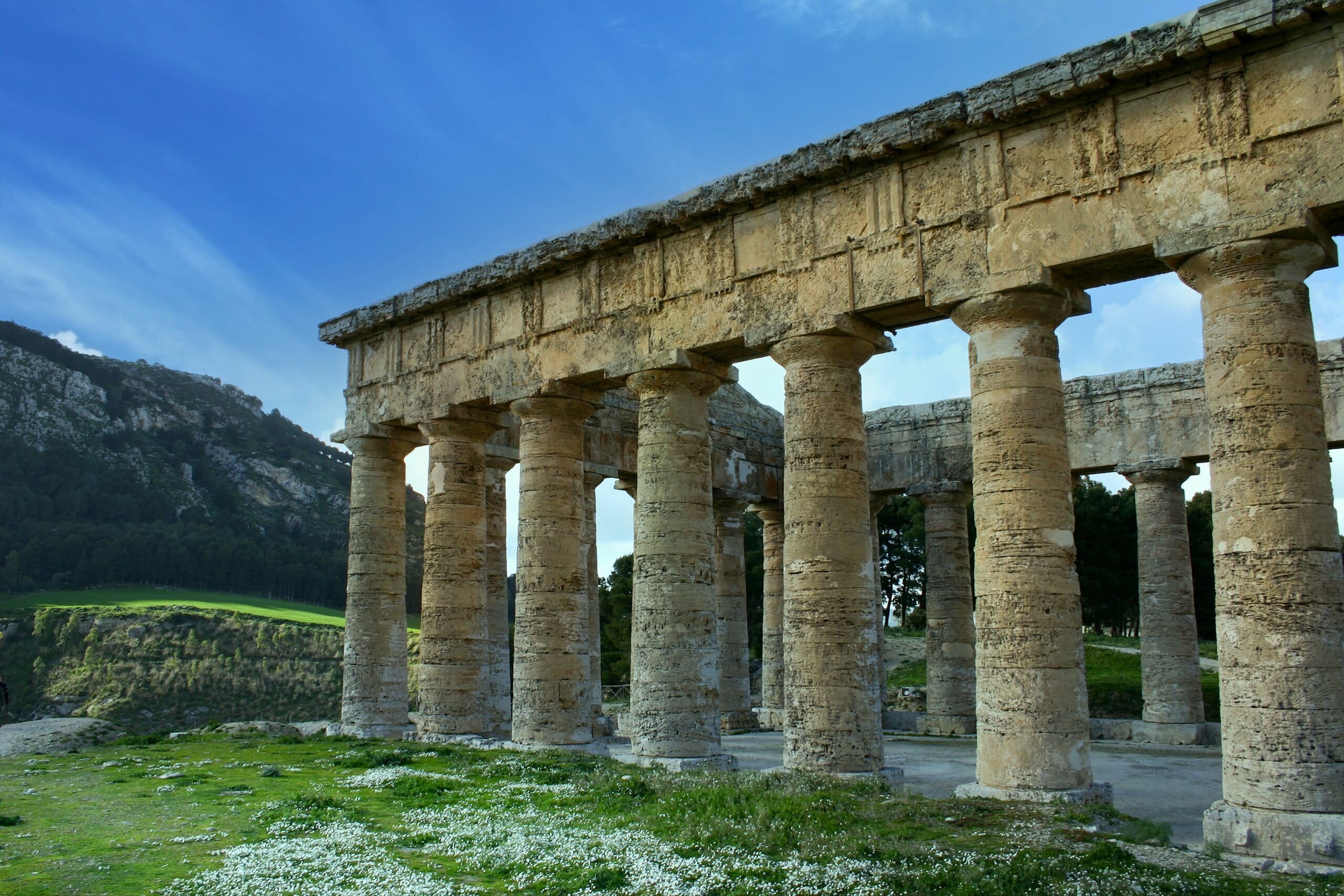
About ten kilometres from the village lies the Archaeological Park of Segesta, one of the wonders of ancient Sicily. Segesta was the chief city of the Elymians, a non-Greek people who nonetheless modelled its art and style on the Hellenic world. Its masterpiece is the Doric temple, raised in the 5th century BC (around 430-420 BC) and left unfinished: its thirty-six columns were never fluted, and it lacks a roof and a cella. It is precisely this incompleteness that has preserved it almost intact to this day, solitary and solemn on a green hill, one of the best-preserved Doric temples of the Mediterranean.


The Greek theatre on Monte Barbaro
On the summit of Monte Barbaro, carved into the slope with the skill of the ancients, opens the Greek theatre of Segesta, dating from the Hellenistic age. Its semicircular cavea looks out over the hills and the Gulf of Castellammare, with a horizon that becomes part of the stage set itself. The acoustics are still astonishing today, and every summer the theatre comes back to life hosting classical tragedies and performances beneath the stars: watching a play at sunset, with the distant sea turning to gold, is an experience that blends archaeology, nature and emotion as in few other places on the island.
The Battle of Calatafimi and the Pianto Romano Ossuary
On 15 May 1860 the hills around Calatafimi were the stage of the first victory of Giuseppe Garibaldi and the Thousand over the Bourbon army: the battle that opened the way to the conquest of Sicily and to the Unification of Italy. It was here that, at the hardest moment of the clash, Garibaldi answered Nino Bixio with the words that passed into history: "Here we make Italy or we die". On the hill of the battle stands the Pianto Romano Ossuary, the obelisk-shaped memorial designed by architect Ernesto Basile and inaugurated on 15 May 1892, which holds the remains of the fallen of both sides. A silent, moving place, the heart of Sicilian Risorgimento memory.
Festivals, traditions and flavours
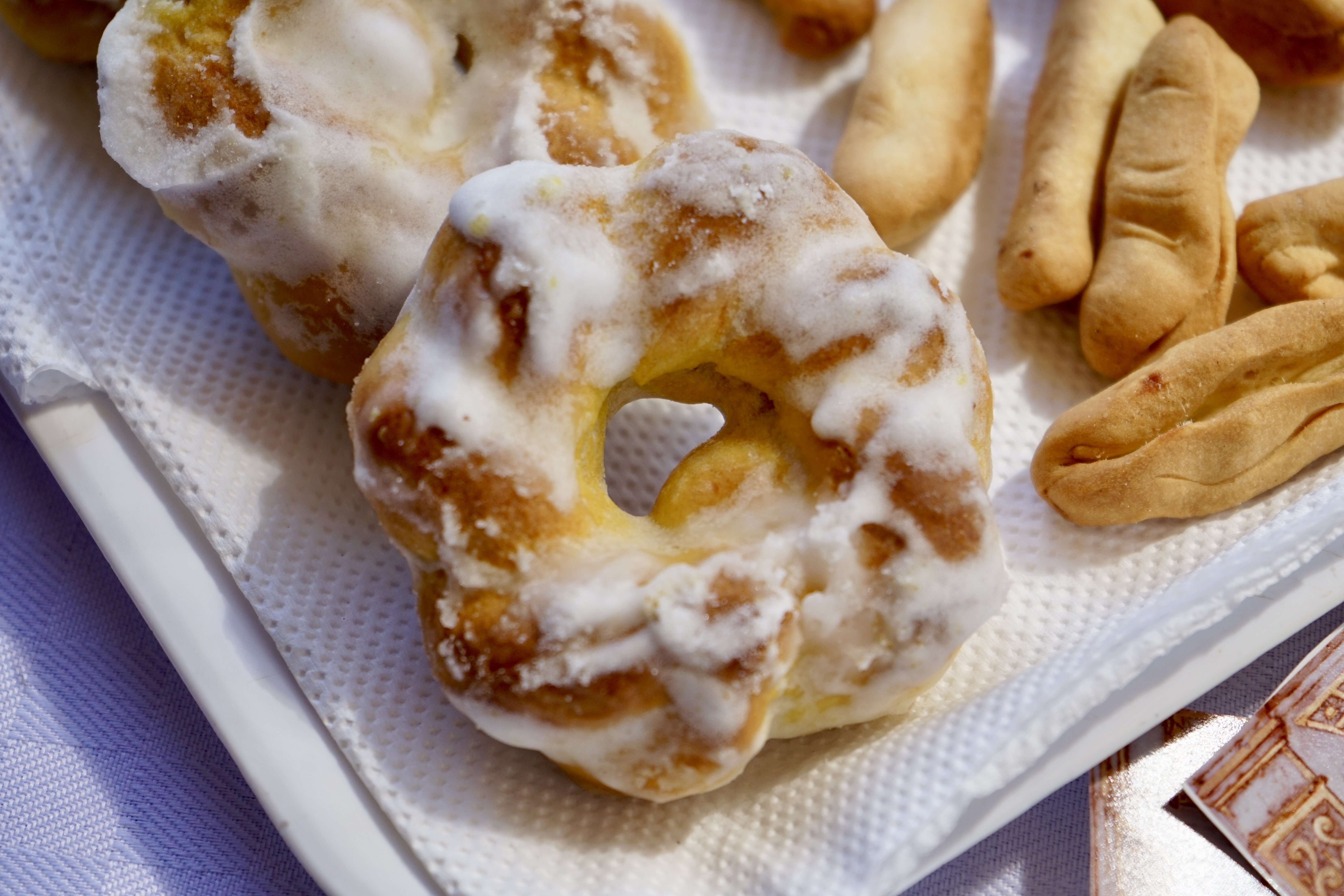
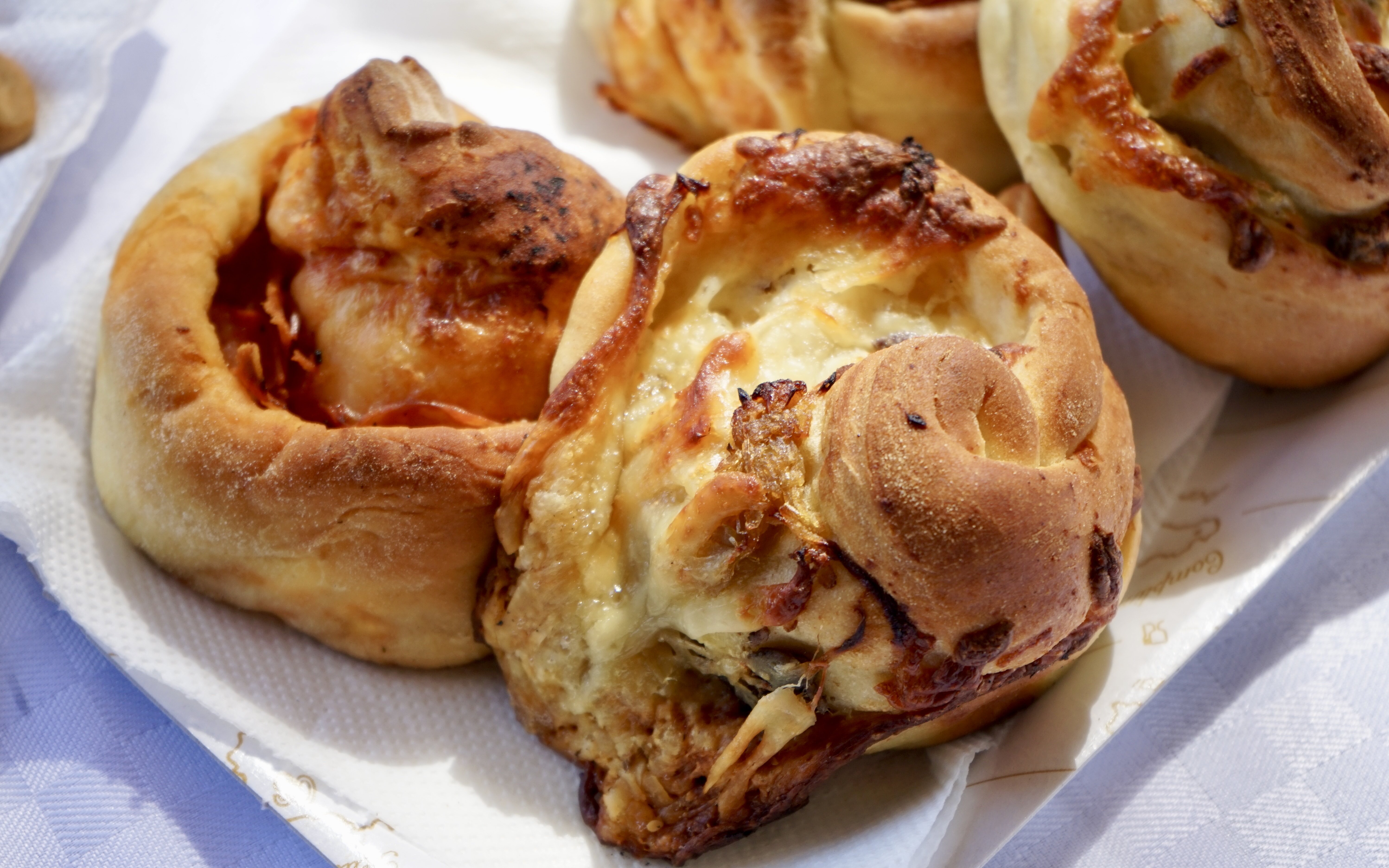
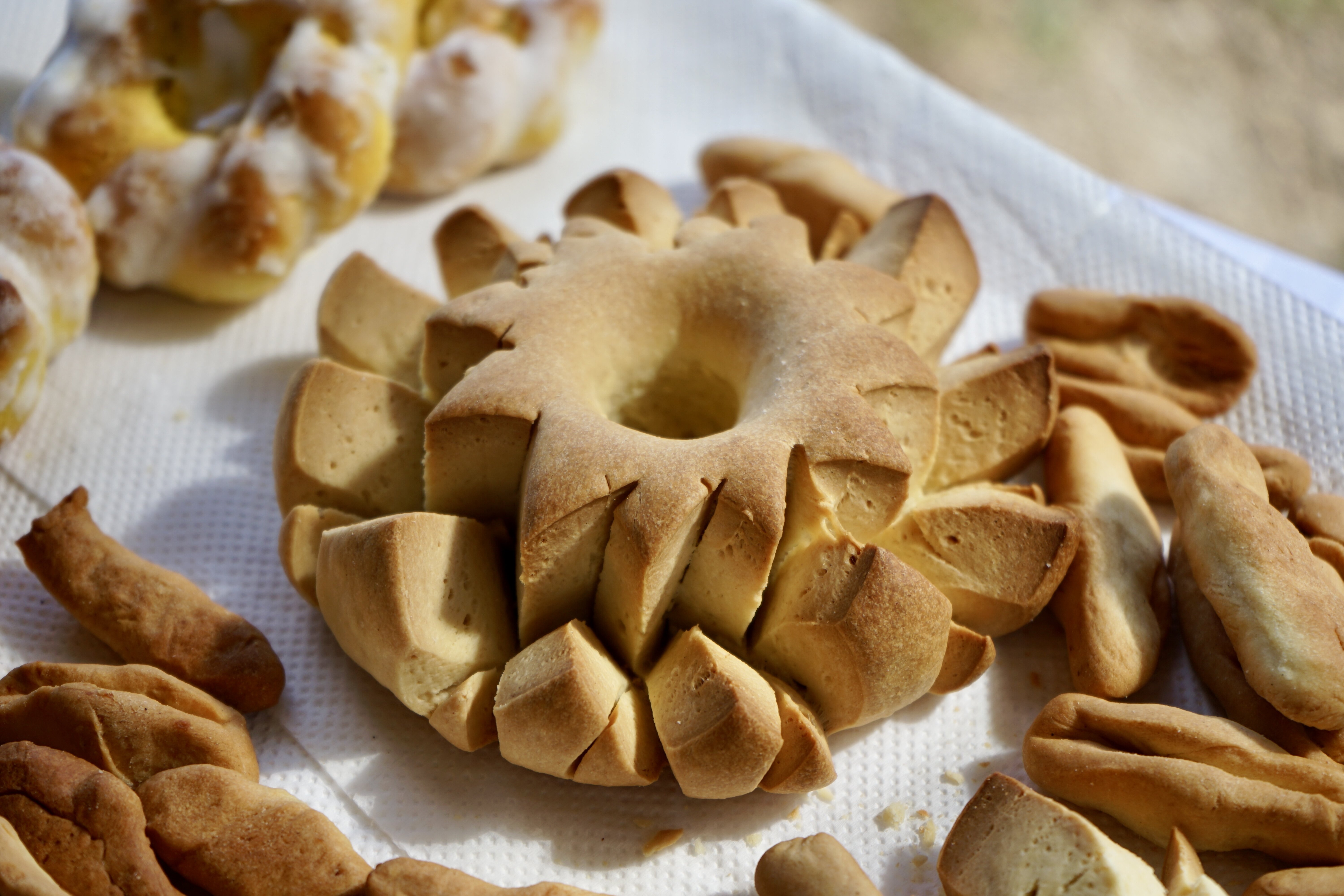
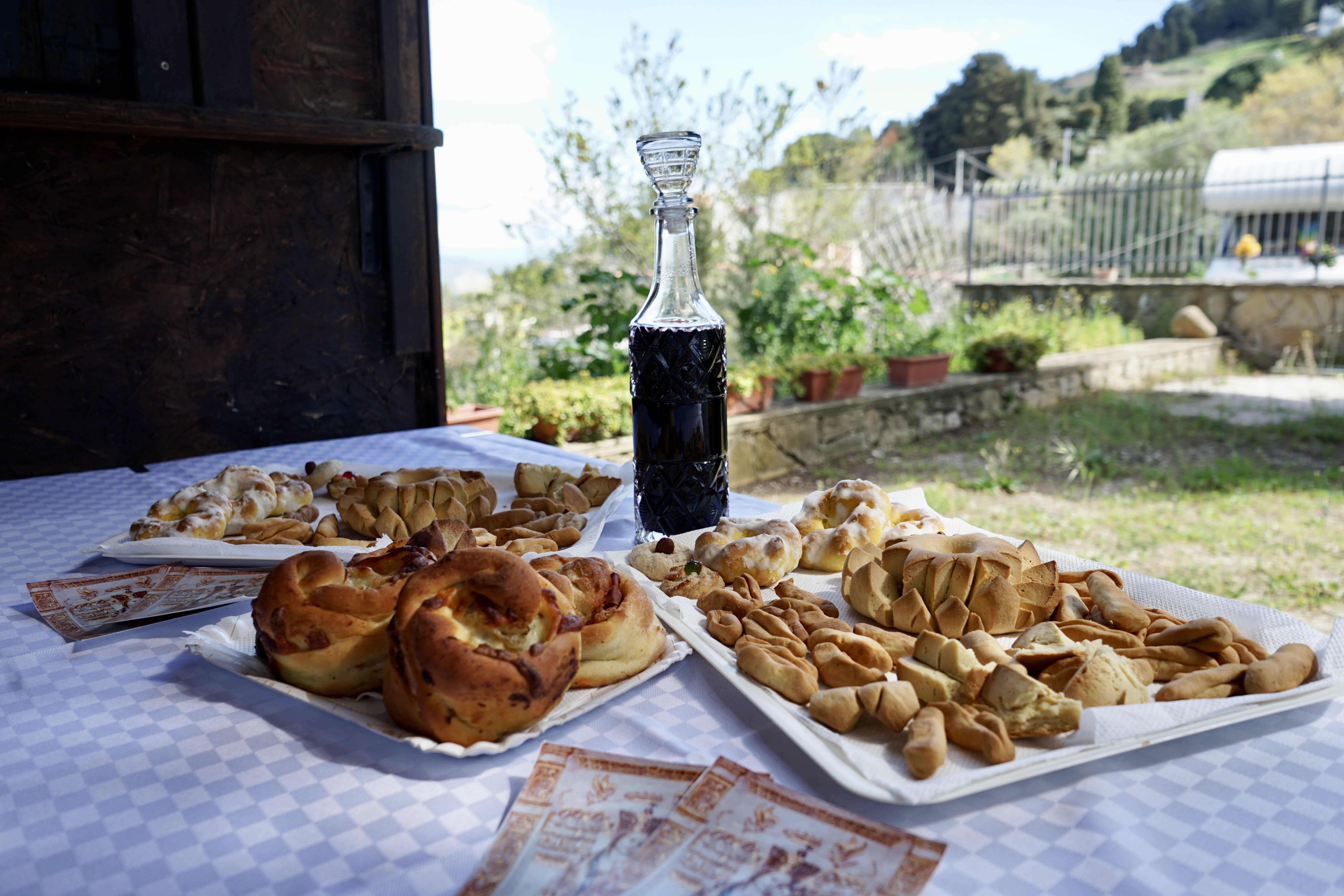
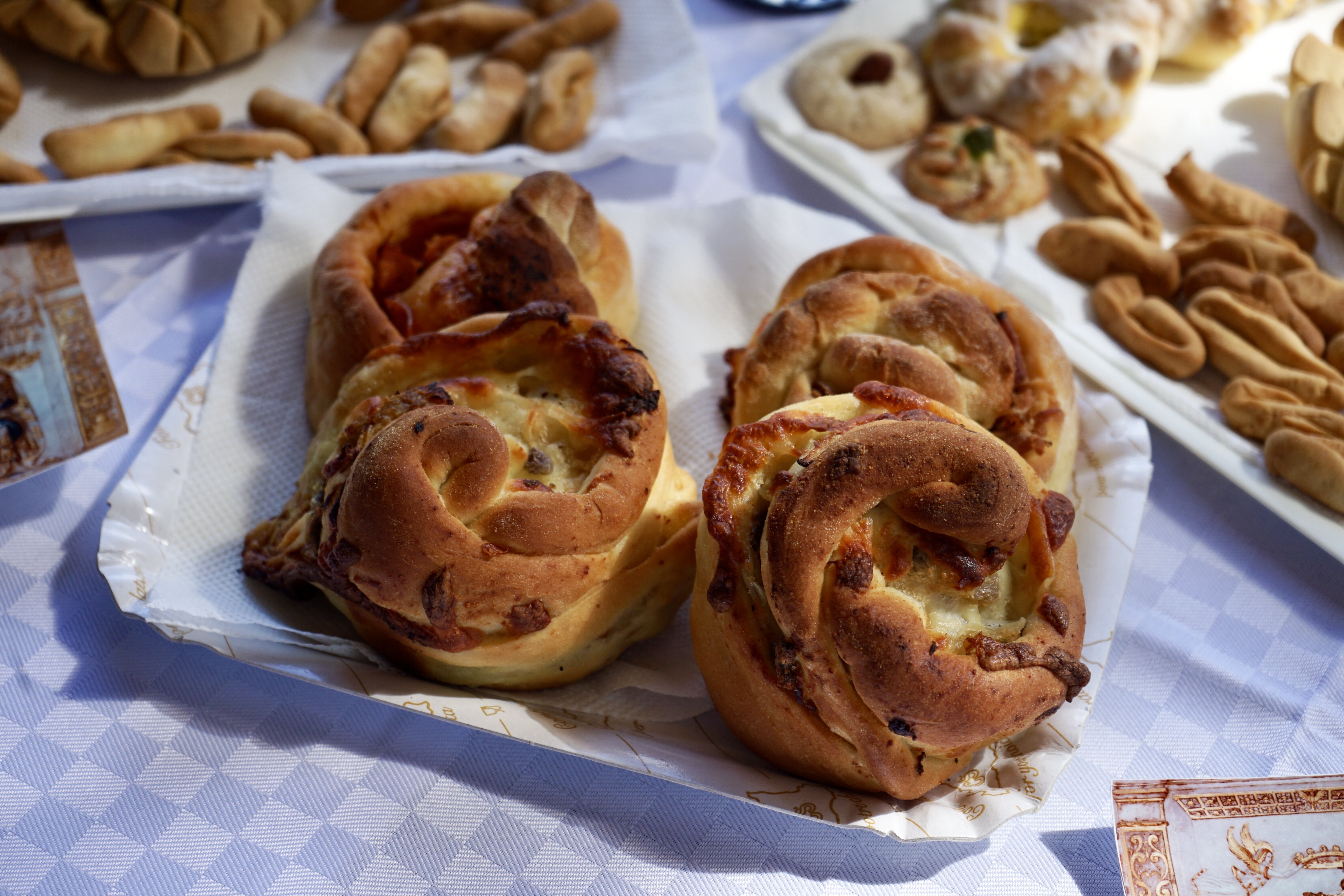
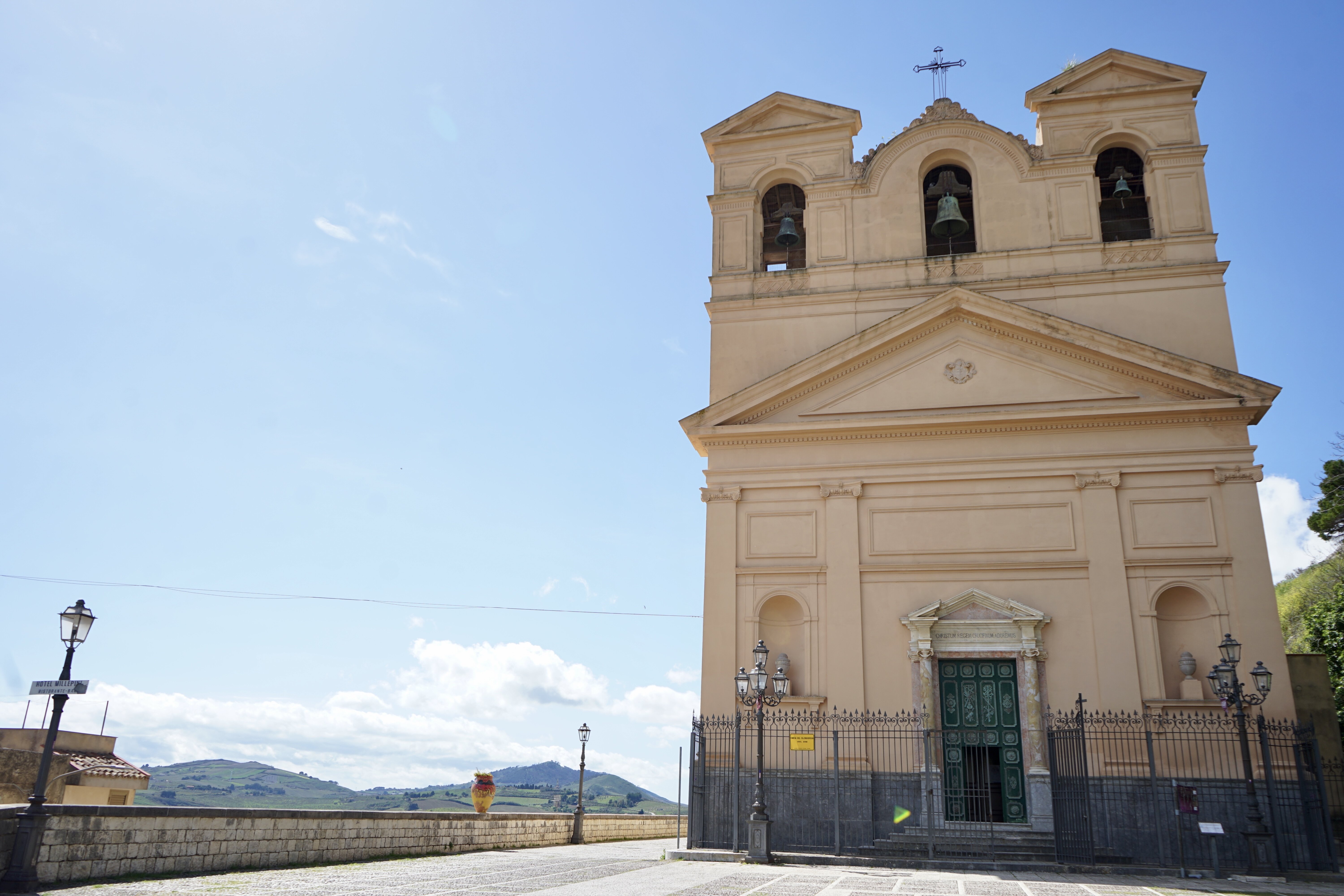
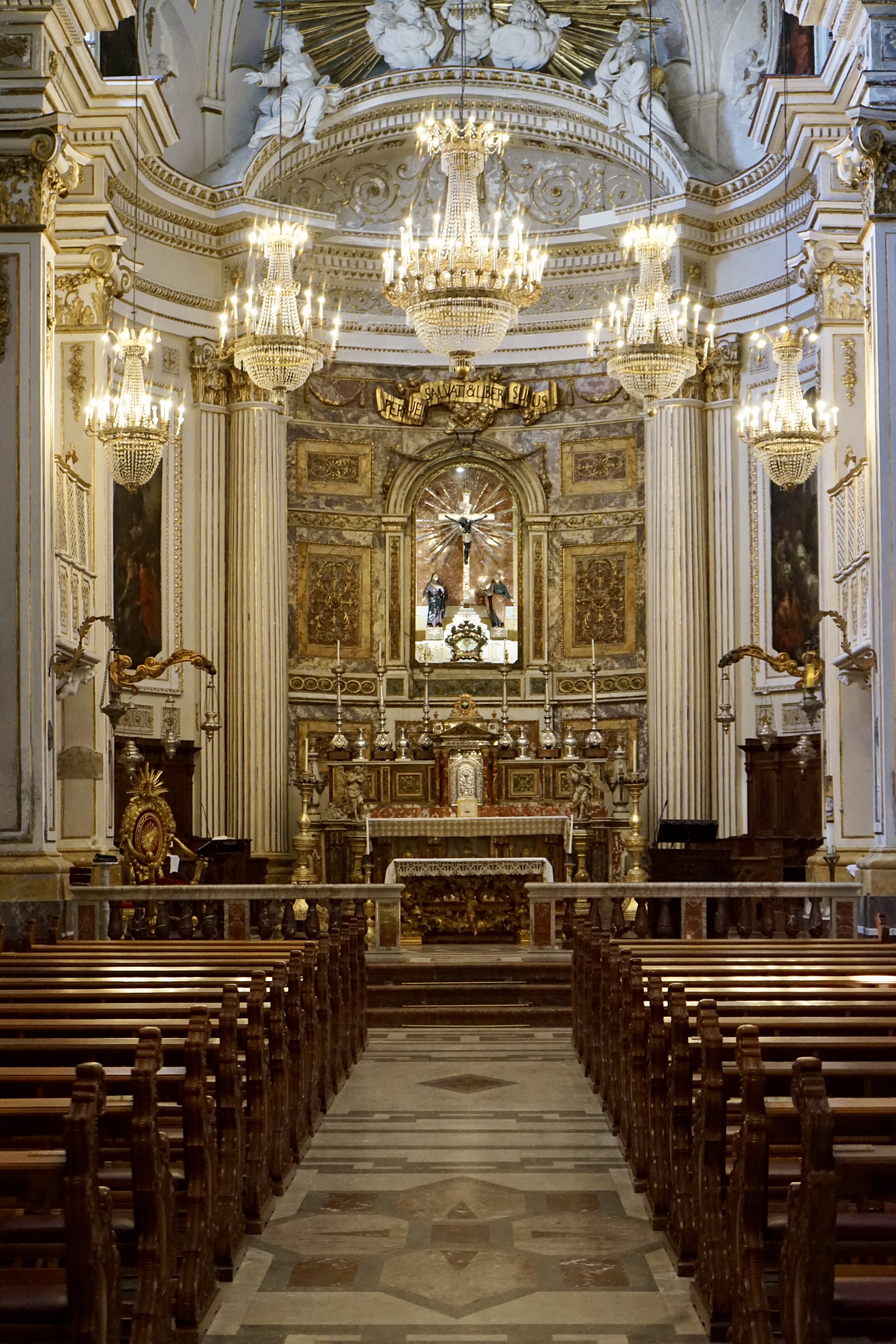
The town's most heartfelt devotion is the Feast of the Holy Crucifix (SS. Crocifisso), a great celebration held every five years in early May that draws the whole community together in a weave of faith, processions and popular tradition. Around 15 May the Garibaldian commemorations are renewed, with the pilgrimage to Pianto Romano. At the table, Calatafimi-Segesta is a land of the Trapani hinterland: bread and oil, cheeses and cured meats, the honest produce of the countryside and the almond and ricotta sweets of Sicilian tradition, to be enjoyed after a day among temples and hills.
When to go
Frequently asked questions about Calatafimi-Segesta
How much time do you need to visit Calatafimi-Segesta?
For the Archaeological Park of Segesta, with the Doric temple and the Greek theatre on Monte Barbaro, you need a good half day. Adding the village of Calatafimi with Eufemio's castle and the Pianto Romano Ossuary, a full day lets you take in the whole area at a relaxed pace.
Why is the temple of Segesta "unfinished"?
The Doric temple of Segesta (5th c. BC) was never completed: its thirty-six columns were never fluted and it lacks a roof and an inner cella. The reasons remain uncertain — perhaps the works were interrupted for historical or economic reasons. It is precisely this incompleteness that has favoured its extraordinary preservation.
What happened at the Battle of Calatafimi?
On 15 May 1860 Giuseppe Garibaldi and the Thousand defeated the Bourbon army in the first battle of the expedition in Sicily. It was here that Garibaldi uttered the famous phrase "Here we make Italy or we die". The fallen rest in the Pianto Romano Ossuary, inaugurated in 1892.
Where does the name Calatafimi come from?
The name comes from the Arabic Qal'at Fimi, "fortress of Eufemio", from Eufemio's Castle around which the village grew. In 1999 the municipality, formerly Calatafimi, took the name Calatafimi-Segesta to link itself to the ancient Elymian city that stands within its territory.
Can you attend performances at the theatre of Segesta?
Yes. Every summer the Greek theatre of Segesta hosts a season of classical tragedies and performances, generally between July and August, at sunset. It is advisable to check the programme and book in advance, especially for the most sought-after evenings.
How do you reach Segesta?
The Archaeological Park of Segesta is a few kilometres from the centre of Calatafimi-Segesta and is easily reached by car from the A29 Palermo-Trapani/Mazara motorway. From the car park a shuttle service climbs to the Greek theatre on Monte Barbaro; the temple is a short distance from the entrance.
Discover more
For institutional information, events, museum opening times and visitor services, see the official website of the Municipality of Calatafimi-Segesta.
 Is not it what you were looking for? Review your choice


 Accommodation
 Event
Event
 All services
 How to get there
 Weather forecast